


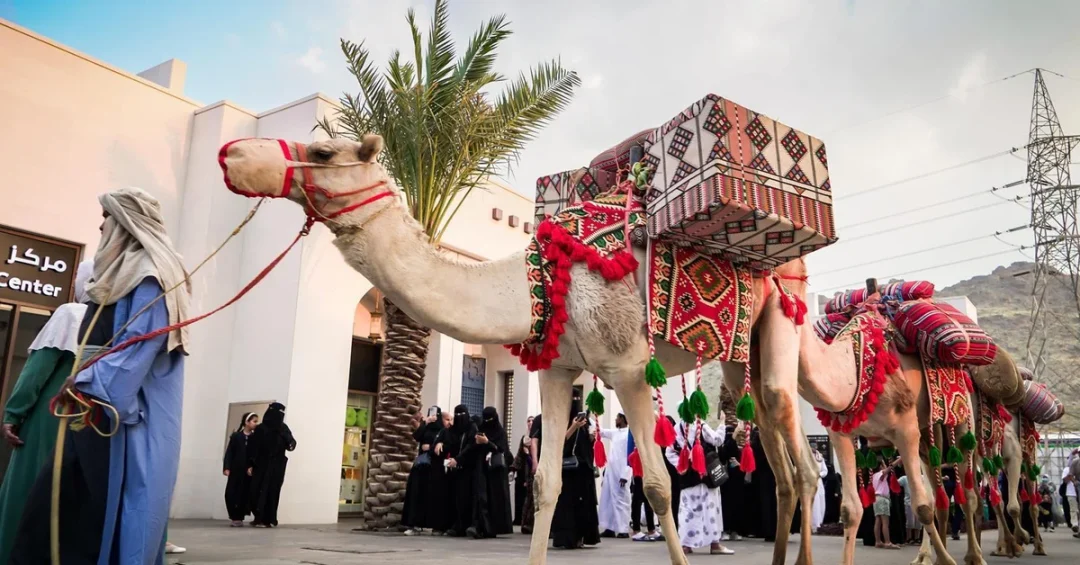
The Camel Caravan, a key attraction of the Summer of Hira event in Makkah, has drawn large crowds since its opening, celebrating the deep historical and cultural significance of camels in Saudi Arabia. Running until Safar 6, 1446 AH (August 10, 2024), this immersive experience offers residents and visitors a unique journey through time, highlighting the enduring role of camels in Arab heritage and daily life.
Context and Background
The Summer of Hira event, hosted in Makkah, aims to blend cultural education with entertainment, showcasing Saudi Arabia’s rich traditions. The Camel Caravan component specifically focuses on the camel—a creature that has been indispensable to Arab civilization for centuries. By recreating an authentic desert environment, the caravan provides a tangible connection to the past, allowing attendees to observe camel riding, learn about traditional care and breeding, and understand the animal’s role in transportation, trade, and survival in harsh desert conditions. This initiative aligns with Saudi Arabia’s broader efforts to preserve and promote its national heritage while fostering tourism.
Key Details
Visitors to the Camel Caravan experience a fully immersive environment where they can witness caravan journeys and engage with traditional practices. The attraction emphasizes the camel’s symbolic importance as a symbol of resilience and adaptability in Saudi culture. Through hands-on demonstrations and guided narratives, attendees gain a comprehensive understanding of how camels served as companions and lifelines in past eras, shaping the region’s history and identity. The event has seen strong interaction from both locals and international tourists, reflecting its broad appeal.
Implications and Impact
The Camel Caravan not only celebrates heritage but also contributes to the local tourism industry in Makkah, a city already renowned as a spiritual destination. By offering a culturally rich attraction, the event enhances the visitor experience, supporting Saudi Arabia’s goals of diversifying tourism beyond religious pilgrimages. It also reinforces national identity by showcasing a core element of Saudi history, fostering pride and cultural appreciation among younger generations and global audiences alike.
20 Questions
Q1. What is the Camel Caravan at Summer of Hira?
A1. The Camel Caravan is an immersive cultural attraction at the Summer of Hira event in Makkah, designed to showcase the historical and cultural importance of camels in Saudi Arabia.
Q2. Where is the Camel Caravan taking place?
A2. The Camel Caravan is part of the Summer of Hira activities held in Makkah, a city in the Makkah Province of Saudi Arabia.
Q3. When does the Camel Caravan event run until?
A3. The event runs until Safar 6, 1446 AH, which corresponds to August 10, 2024.
Q4. Who organized the Camel Caravan?
A4. The Camel Caravan was organized by the Summer of Hira event organizers, under the patronage of Saudi authorities, as part of heritage celebrations.
Q5. Why are camels significant in Saudi culture?
A5. Camels have been integral to Arab life for centuries, serving as companions for transportation, trade, and survival in the desert, symbolizing resilience and adaptability.
Q6. What activities do visitors experience at the Camel Caravan?
A6. Visitors can observe camel riding and caravan journeys, learn about camel care and breeding, and explore traditional practices in an authentic desert setting.
Q7. How does the Camel Caravan celebrate Saudi heritage?
A7. It highlights the pivotal role camels played in Arab history, fostering appreciation for ancestral traditions and national identity.
Q8. Is the Camel Caravan open to international visitors?
A8. Yes, the event is designed for both residents and international visitors, contributing to tourism in Makkah.
Q9. What is the Summer of Hira event?
A9. Summer of Hira is a cultural event in Makkah that combines educational and entertainment activities to showcase Saudi heritage and traditions.
Q10. How does the Camel Caravan contribute to tourism?
A10. It enhances the visitor experience by offering a unique cultural attraction, supporting local tourism and diversifying offerings beyond religious sites.
Q11. What is the camel’s role in Arab history?
A11. Camels were vital for transportation across trade routes, carrying goods and people, and were essential for survival in the desert environment.
Q12. What does the camel symbolize in Saudi culture?
A12. The camel symbolizes resilience, adaptability, and endurance, reflecting the strength of Saudi heritage as the nation modernizes.
Q13. How does the event recreate a desert environment?
A13. The organizers set up an authentic desert setting with traditional elements, allowing visitors to immerse themselves in a historical caravan experience.
Q14. What traditional practices are shown at the caravan?
A14. Practices include camel riding, breeding techniques, and care methods that were historically used in Arabian culture.
Q15. Can children participate in the Camel Caravan?
A15. Yes, the experience is designed to be family-friendly, with educational activities suitable for children and adults.
Q16. How does the event align with Saudi Vision 2030?
A16. It supports Vision 2030 by promoting cultural tourism, preserving heritage, and diversifying the economy through tourism development.
Q17. What is the historical importance of camel caravans?
A17. Camel caravans were crucial for trade and travel across the Arabian Peninsula, connecting communities and enabling commerce for centuries.
Q18. Are there guided tours at the event?
A18. Yes, the event includes guides who explain the significance of camels and the history of caravans during the experience.
Q19. How does the Camel Caravan foster national identity?
A19. By highlighting camels as a core symbol of Saudi heritage, the event instills pride and connection to ancestral traditions among visitors.
Q20. What is the main goal of the Camel Caravan?
A20. The main goal is to celebrate the enduring importance of camels, educate the public, and provide a unique cultural experience that honors Saudi heritage.
Vision 2030 Alignment
The Camel Caravan at Summer of Hira exemplifies Saudi Arabia’s commitment to preserving its cultural heritage while advancing the goals of Vision 2030. By promoting cultural tourism and showcasing traditional practices, the event supports the Kingdom’s strategy to diversify its economy and enhance its global cultural standing. This initiative reflects a harmonious blend of honoring the past and embracing a future where heritage contributes to national growth and international engagement.
Reader Feedback
We value your thoughts. Please share your feedback on this article.
Your feedback helps us improve our coverage.