


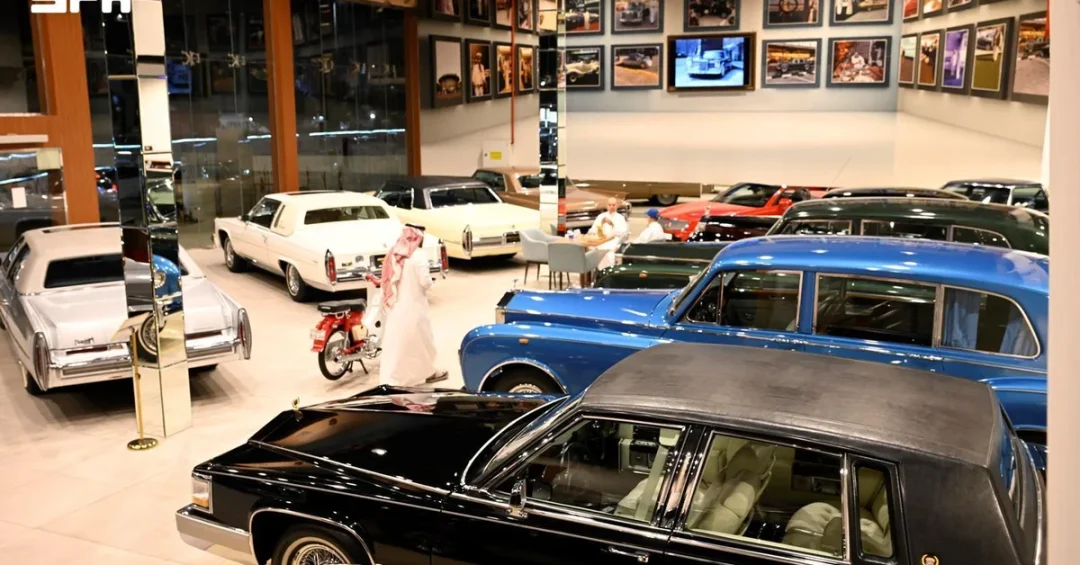
Classic cars continue to draw collectors and enthusiasts across Jeddah, where rare and meticulously preserved models are celebrated as living reminders of a bygone era and the memories of generations, according to the Saudi Press Agency (SPA). The enduring appeal of these vehicles goes far beyond transportation; they represent a tangible connection to the history of automotive design, engineering, and culture. In a city known for its vibrant social fabric and its role as a gateway to the Red Sea, classic car exhibitions and owners’ gatherings have become significant cultural events that attract large crowds, photographers, and admirers of mechanical heritage.
These gatherings are more than just displays of vintage machinery. They serve as educational platforms where younger generations can discover the designs and mechanical technologies that preceded today’s advanced systems. Owners invest considerable time and resources into maintaining and restoring their vehicles, preserving both historical and aesthetic value while documenting the evolution of the automotive industry in terms of design, technology, comfort, and safety. In Jeddah, this passion is supported by a range of events that highlight the Kingdom’s growing cultural and recreational landscape, aligning with broader national efforts to enrich quality of life and celebrate heritage.
Context and Background
Why do classic cars hold such a powerful grip on the imagination of collectors and the public alike? The answer lies in their unique blend of artistry and engineering. Unlike modern mass-produced vehicles, classic cars were often built with distinctive design identities, from front fascias and metal grilles to round headlights and traditional instrument panels. Each model tells a story of its era, reflecting the tastes, technologies, and aspirations of the time. In Jeddah, a city with a rich history as a trading hub and cultural crossroads, the appreciation for these vehicles is particularly strong. The local classic car scene has grown organically, supported by enthusiasts who seek out old and rare models, keep them in original condition, and invest in specialized maintenance and restoration.
The origins of this movement can be traced to a global resurgence of interest in vintage automobiles, but in Saudi Arabia, it has taken on a distinctly local character. Jeddah’s climate and geography, with its coastal humidity and urban sprawl, present unique challenges for preservation, making the dedication of owners even more remarkable. Many of these collectors are not just hobbyists; they are custodians of automotive history. They document how the automotive industry has changed over decades, from the simplicity of early mechanical systems to the complex electronics of today. This documentation is often shared at exhibitions, where visitors can trace the evolution of established brands and gain a deeper appreciation for the craftsmanship that defined earlier eras.
Moreover, the classic car community in Jeddah is part of a broader cultural awakening in Saudi Arabia. As the Kingdom opens up to tourism and international events under Vision 2030, niche interests like classic cars are finding new audiences. The SPA report highlights that these vehicles attract photographers and admirers of mechanical heritage, indicating a cross-generational and cross-cultural appeal. This is not merely nostalgia; it is an active celebration of history that contributes to the Kingdom’s cultural diversity and tourism offerings.
Key Details
What exactly makes a classic car so special to its owner and to the public? The SPA report emphasizes that owners seek out old and rare models, keeping them in original condition and investing in specialized maintenance and restoration. This commitment preserves the cars’ historical and aesthetic value. The process of restoration is often painstaking, requiring rare parts, expert craftsmanship, and a deep understanding of vintage engineering. In Jeddah, specialized workshops and mechanics have emerged to support this niche, creating a small but dedicated industry. These specialists are not just repairing cars; they are preserving cultural artifacts.
Exhibitions and owners’ gatherings draw large crowds, offering visitors a look at the history of established brands and how car manufacturing has developed. These events are typically held in public spaces, parks, and exhibition centers, and they often feature rows of gleaming vehicles, each with its own design identity. From the chrome accents of American classics to the elegant lines of European sports cars, the diversity on display is striking. Visitors can examine front fascias, metal grilles, round headlights, interior trim, seats, and traditional instrument panels, gaining insight into the design philosophies of different eras. The SPA notes that these events connect generations, letting young people discover the designs and mechanical technologies that preceded today’s systems. This intergenerational dialogue is a key aspect of the classic car scene, fostering a sense of continuity and pride.
Jeddah is one of the cities where classic cars draw strong interest, supported by a range of events. The city’s status as a major urban center and its tradition of hosting cultural festivals make it an ideal venue for such gatherings. The cars also attract photographers and admirers of mechanical heritage, who capture the beauty and detail of these machines. Social media has further amplified their reach, with images and stories of classic cars in Jeddah circulating widely, drawing attention from enthusiasts around the world. This visibility not only promotes the local scene but also contributes to Saudi Arabia’s image as a destination for cultural tourism.
International and Regional Impact
How does Jeddah’s classic car culture resonate beyond the Kingdom’s borders? The international classic car market is a multi-billion-dollar industry, with collectors from Europe, North America, and Asia actively seeking rare models. Jeddah’s collectors are part of this global network, often participating in international auctions, online forums, and exchange programs. The presence of such a vibrant scene in Saudi Arabia signals the Kingdom’s growing integration into global cultural and hobbyist communities. It also attracts foreign enthusiasts and tourists who are curious about the automotive heritage of the region. Regional neighbors, particularly in the Gulf, share a similar passion for classic cars, and events in Jeddah can serve as a meeting point for collectors from across the GCC.
Furthermore, the classic car phenomenon aligns with Saudi Arabia’s efforts to diversify its tourism offerings. By hosting exhibitions and gatherings, Jeddah can appeal to niche tourists who are interested in automotive history and culture. This complements the Kingdom’s broader tourism strategy, which includes heritage sites, cultural festivals, and sporting events. The SPA report underscores that these gatherings draw large crowds, indicating a ready market for such experiences. As Saudi Arabia continues to open up, classic car events can become a regular feature on the cultural calendar, attracting visitors from around the world and showcasing the Kingdom’s modern, dynamic society alongside its rich traditions.
Economic and Strategic Significance
What economic value does the classic car scene bring to Jeddah and the Kingdom? While the classic car market may seem niche, it has significant economic ripple effects. Restoration and maintenance require specialized skills and parts, supporting small businesses and artisans. Exhibitions and gatherings stimulate local spending on hospitality, retail, and entertainment. Moreover, the global classic car market is a lucrative one, with some rare models selling for millions of dollars. Saudi collectors who invest in these vehicles are participating in a global asset class that can appreciate over time. This aligns with Vision 2030’s goal of developing new economic sectors and promoting investment.
Strategically, the classic car culture enhances Saudi Arabia’s soft power. It presents the Kingdom as a place where heritage and modernity coexist, and where global hobbies are embraced. This is particularly important as Saudi Arabia positions itself as a leader in tourism and entertainment. The SPA report’s focus on Jeddah highlights the city’s role as a cultural hub. By supporting classic car events, local authorities and private organizers contribute to the city’s vibrancy and attractiveness. This, in turn, can attract foreign investment and partnerships in the automotive and events sectors. The classic car scene also encourages youth engagement with engineering and design, potentially inspiring future careers in these fields.
Vision 2030 Alignment
How does the classic car enthusiasm in Jeddah connect to Saudi Arabia’s long-term vision? Vision 2030 aims to diversify the economy, enrich quality of life, and preserve cultural heritage. The classic car scene touches on all three. It supports economic diversification by creating niche markets and tourism opportunities. It enriches quality of life by providing cultural and recreational activities that bring communities together. And it preserves heritage by maintaining and celebrating automotive history. The SPA report notes that owners document how the automotive industry has changed, which is a form of cultural preservation. By connecting generations, classic cars also strengthen social bonds and national identity.
As Saudi Arabia continues its transformation, the classic car community in Jeddah stands as a testament to the Kingdom’s ability to embrace the future while honoring the past. The Vision 2030 framework encourages such grassroots cultural expressions, recognizing that a vibrant society is essential for sustainable development. The ongoing interest in classic cars, supported by events and a dedicated community, reflects the broader opening of Saudi society and its growing engagement with the world. In this way, Jeddah’s classic car lovers are not just preserving machines; they are contributing to the Kingdom’s journey toward a prosperous and culturally rich future.
20 Questions
Q1. What makes classic cars in Jeddah so appealing to collectors?
A1. Their distinctive designs and engineering make them living reminders of a bygone era. Owners value their historical and aesthetic significance, and the cars evoke memories of generations past, creating a deep emotional and cultural connection.
Q2. Where does the information about Jeddah’s classic car scene come from?
A2. The information is based on a report from the Saudi Press Agency (SPA), which highlighted the continued interest in classic cars in Jeddah and the various events that support this passion.
Q3. How do owners preserve their classic cars?
A3. Owners seek out old and rare models, keep them in original condition, and invest in specialized maintenance and restoration. This work preserves the cars’ historical and aesthetic value and documents automotive evolution.
Q4. What types of events draw crowds in Jeddah?
A4. Exhibitions and owners’ gatherings draw large crowds, offering visitors a look at the history of established brands and how car manufacturing has developed in design, technology, comfort, and safety.
Q5. How do classic car events connect generations?
A5. They let young people discover the designs and mechanical technologies that preceded today’s systems, fostering an intergenerational dialogue and appreciation for automotive heritage.
Q6. What design features are typical of classic cars?
A6. Each model has its own design identity, from front fascias, metal grilles, and round headlights to interior trim, seats, and traditional instrument panels, reflecting the era in which they were built.
Q7. Why is Jeddah a hub for classic car enthusiasts?
A7. Jeddah is one of the cities where classic cars draw strong interest, supported by a range of events. Its cultural openness and status as a major urban center make it ideal for such gatherings.
Q8. Who else is attracted to classic cars besides collectors?
A8. Photographers and admirers of mechanical heritage are also attracted to classic cars, capturing their beauty and sharing their stories, which amplifies the reach of the local scene.
Q9. How does the classic car scene benefit the local economy?
A9. It supports specialized restoration businesses, stimulates spending on hospitality and retail during events, and participates in the global classic car market, which can be lucrative for investors.
Q10. What role does the Saudi Press Agency play in reporting this?
A10. The SPA is the official Saudi news agency, and its report provides authoritative information on the classic car scene, ensuring accuracy and alignment with national narratives.
Q11. How does the classic car culture align with Vision 2030?
A11. It supports economic diversification, enriches quality of life, and preserves cultural heritage, all key goals of Vision 2030. It also promotes tourism and community engagement.
Q12. Are there international implications of Jeddah’s classic car scene?
A12. Yes, it connects Saudi collectors with global networks, attracts foreign enthusiasts, and enhances Saudi Arabia’s image as a destination for cultural tourism and niche events.
Q13. What challenges do classic car owners face in Jeddah?
A13. Challenges include sourcing rare parts, dealing with the coastal climate’s humidity, and finding specialized mechanics, but owners overcome these through dedication and investment.
Q14. How do classic car exhibitions educate the public?
A14. They offer a visual history of automotive design and technology, allowing visitors to see how cars have evolved and to appreciate the craftsmanship of earlier eras.
Q15. What is the significance of keeping cars in original condition?
A15. It preserves historical and aesthetic value, maintains authenticity, and ensures that the cars remain accurate representations of their time, which is important for collectors and historians.
Q16. How does the classic car scene reflect Saudi Arabia’s modernization?
A16. It shows that the Kingdom embraces global hobbies and cultural expressions while preserving its heritage, reflecting the balanced progress envisioned by Vision 2030.
Q17. Can classic car events attract tourists to Jeddah?
A17. Yes, niche events like classic car shows can attract tourists interested in automotive history, adding to Jeddah’s appeal as a cultural and entertainment destination.
Q18. What future developments might we see in Jeddah’s classic car scene?
A18. We may see more organized events, international participation, and greater integration with tourism initiatives, further establishing Jeddah as a hub for classic car enthusiasts.
Q19. How do classic cars document automotive industry changes?
A19. By preserving models from different eras, owners create a tangible record of how design, technology, comfort, and safety have evolved over decades.
Q20. Why is it important to support classic car culture in Saudi Arabia?
A20. It enriches cultural life, preserves heritage, supports small businesses, and contributes to the Kingdom’s tourism and economic diversification goals under Vision 2030.
Reader Feedback
We value your thoughts. Please share your feedback on this article.
Your feedback helps us improve our coverage.