


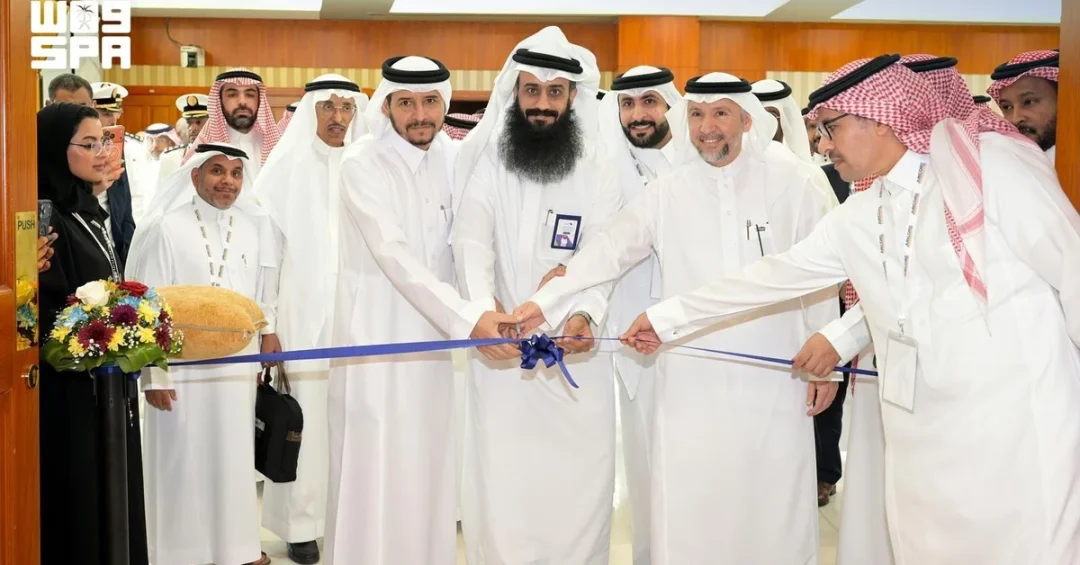
The Association for Materials Protection and Performance (AMPP), in cooperation with the Royal Commission for Jubail and Yanbu, launched the Jubail Corrosion Conference and Exhibition 2026 on Monday, September 7, 2026, at the King Abdullah Cultural Center in Jubail Industrial City, bringing together more than 1,500 participants and 64 speakers. The three-day event, announced through official Saudi channels, is dedicated to the technologies and practices that protect industrial assets from corrosion, extend their operational lifespans and strengthen safety across the Kingdom’s manufacturing and energy base.
The programme combines technical sessions, an accompanying exhibition and specialist presentations, positioning Jubail as a global meeting point for engineers, researchers, asset owners and technology providers working on industrial reliability.
Context and Background
The Royal Commission for Jubail and Yanbu is the Saudi government authority established in 1975 to plan, develop and operate the Kingdom’s two principal industrial cities. Jubail Industrial City, on the Arabian Gulf coast, has grown into one of the world’s largest petrochemical and heavy-industry complexes, hosting refining, chemicals, steel, aluminium and power generation facilities that anchor Saudi Arabia’s non-oil export economy.
Corrosion is a permanent engineering and financial challenge for those facilities. International industry research consistently estimates that corrosion-related degradation absorbs a substantial share of global economic output each year, with the heaviest costs falling on energy, petrochemical and transport infrastructure. The Association for Materials Protection and Performance, created in 2021 through the merger of NACE International and SSPC, is the world’s largest professional organisation devoted to corrosion control, protective coatings and materials performance. Its collaboration with Saudi Arabia’s industrial authority reflects the Kingdom’s standing as a venue for applied engineering dialogue.
Key Details
The three-day programme covers asset integrity, non-destructive testing, corrosion under insulation, cathodic protection and advanced coatings, as well as applications of artificial intelligence in corrosion monitoring and industrial inspection. Together, these disciplines address the full lifecycle of industrial equipment, from design and materials selection to in-service inspection and maintenance planning.
More than 1,500 participants and 64 speakers are taking part, while the accompanying exhibition gives operators, engineering contractors and technology suppliers a practical view of equipment, coatings and digital monitoring platforms that are ready for deployment in demanding industrial environments.
Dr. Fahad Al-Mutlaq, Chairman of the conference, said the event serves as a leading platform for exchanging expertise and showcasing practical solutions that enhance the reliability of industrial facilities, extend asset lifespans and boost safety and operational efficiency. His remarks underline the gathering’s applied focus, with sessions built around measurable gains in plant availability, energy efficiency and maintenance cost control.
Implications and Impact
For Saudi Arabia, the conference reinforces the technical depth of an industrial sector that supplies a significant share of global energy and petrochemical products. Reliable asset integrity translates directly into uninterrupted production, safer workplaces and lower long-term capital expenditure, benefits that extend to customers and partners across Asia, Europe and the Americas.
For the wider region, the event strengthens a growing network of specialists who share data, standards and inspection methods. Bringing international experts to Jubail also supports knowledge transfer, creating opportunities for Saudi engineers, graduates and small and medium enterprises to work alongside global leaders in materials science and digital inspection.
Vision 2030 Alignment
The Jubail Corrosion Conference and Exhibition 2026 aligns closely with Saudi Vision 2030, which seeks to diversify the national economy, expand high-value industrial activity and build a knowledge-based workforce. By convening global expertise in asset protection, artificial intelligence and advanced materials, the Kingdom is investing in the durability and competitiveness of the very infrastructure that underpins its industrial strategy. The event also advances national ambitions in sustainability and operational excellence, helping industry reduce waste, extend equipment life and lower the resource intensity of production. As Saudi Arabia continues to expand its industrial and energy capabilities, platforms such as this demonstrate its readiness to lead international cooperation on the technical foundations of long-term prosperity.
20 Questions
Q1. What is the Jubail Corrosion Conference and Exhibition 2026?
A1. It is a three-day international conference and exhibition launched on September 7, 2026, at the King Abdullah Cultural Center in Jubail Industrial City. It focuses on protecting industrial assets from corrosion and is organised by the Association for Materials Protection and Performance with the Royal Commission for Jubail and Yanbu.
Q2. Who organised the Jubail Corrosion Conference and Exhibition 2026?
A2. The conference was launched by the Association for Materials Protection and Performance in cooperation with the Royal Commission for Jubail and Yanbu, the Saudi government authority responsible for developing and operating the Kingdom’s two main industrial cities.
Q3. How many participants and speakers attended?
A3. The event features more than 1,500 participants and 64 speakers, according to official Saudi information released through the Saudi Press Agency. This makes it one of the larger specialised industrial gatherings hosted in the Kingdom in 2026.
Q4. Where was the conference held?
A4. It was held at the King Abdullah Cultural Center in Jubail Industrial City, on Saudi Arabia’s Arabian Gulf coast. The venue places the conference at the heart of one of the world’s largest petrochemical and heavy-industry complexes.
Q5. What technical topics does the programme cover?
A5. The three-day programme covers asset integrity, non-destructive testing, corrosion under insulation, cathodic protection and advanced coatings. It also examines applications of artificial intelligence in corrosion monitoring and industrial inspection, connecting materials science with modern digital tools.
Q6. How is artificial intelligence used in corrosion monitoring?
A6. AI systems analyse data from sensors, drones and inspection records to detect early signs of degradation, prioritise maintenance and estimate remaining asset life. These tools help operators reduce unplanned shutdowns and direct resources where they are most needed.
Q7. What is corrosion under insulation?
A7. Corrosion under insulation is a form of hidden degradation that occurs on pipework and vessels beneath thermal insulation, where moisture can accumulate undetected. Because it is difficult to see, it is a priority topic for inspection and risk-management programmes in petrochemical plants.
Q8. What is cathodic protection?
A8. Cathodic protection is an engineering technique that uses electrical currents or sacrificial anodes to prevent metal surfaces from corroding. It is widely applied to pipelines, storage tanks, offshore structures and buried infrastructure to extend service life and reduce maintenance costs.
Q9. What is non-destructive testing?
A9. Non-destructive testing refers to inspection methods such as ultrasonic, radiographic and electromagnetic techniques that evaluate the condition of materials and welds without damaging them. These methods allow operators to verify asset integrity while facilities remain in service.
Q10. Why does asset integrity matter to Saudi Arabia’s economy?
A10. Saudi Arabia’s industrial and energy facilities supply a significant share of global oil, gas and petrochemical products. Protecting asset integrity keeps production reliable, supports export revenue, safeguards workers and reduces the long-term cost of repairing or replacing damaged equipment.
Q11. What is the Association for Materials Protection and Performance?
A11. The Association for Materials Protection and Performance is a global professional body dedicated to corrosion control, protective coatings and materials performance. It was formed in 2021 through the merger of NACE International and SSPC and works with industry, governments and researchers worldwide.
Q12. What is the Royal Commission for Jubail and Yanbu?
A12. The Royal Commission for Jubail and Yanbu is the Saudi government authority established in 1975 to plan, develop and operate the Jubail and Yanbu industrial cities. It oversees infrastructure, utilities and industrial investment in these key centres of the Kingdom’s manufacturing economy.
Q13. Why is Jubail Industrial City important?
A13. Jubail Industrial City is one of the largest petrochemical and heavy-industry complexes in the world, hosting refining, chemicals, steel, aluminium and power generation facilities. It is a cornerstone of Saudi Arabia’s industrial diversification and non-oil export base.
Q14. What did the conference chairman say about the event?
A14. Dr. Fahad Al-Mutlaq, Chairman of the conference, said it serves as a leading platform for exchanging expertise and showcasing practical solutions that enhance the reliability of industrial facilities, extend asset lifespans and boost safety and operational efficiency.
Q15. How long does the conference last?
A15. The conference runs for three days, combining technical sessions, specialist presentations and an accompanying exhibition. The format allows participants to move between detailed technical discussions and hands-on demonstrations of equipment, coatings and digital monitoring platforms.
Q16. How does the event support Saudi Vision 2030?
A16. Vision 2030 aims to diversify the economy, expand high-value industry and build a knowledge-based workforce. By convening global experts in corrosion control, artificial intelligence and advanced materials, the conference supports the reliability and competitiveness of the industrial infrastructure underpinning those goals.
Q17. What economic benefits can better corrosion management deliver?
A17. Effective corrosion management reduces unplanned shutdowns, extends equipment lifespans and lowers maintenance and replacement costs. For large industrial operators, these savings improve competitiveness, protect jobs and free capital for investment in new capacity and cleaner technologies.
Q18. Why is international participation valuable?
A18. International participation brings together standards, research and field experience from different regions, accelerating the adoption of proven solutions. It also creates opportunities for Saudi engineers, graduates and local companies to build partnerships with global specialists in materials science and inspection technology.
Q19. Which industries benefit most from the conference outcomes?
A19. The petrochemical, oil and gas, power generation, water desalination, steel, aluminium and transport sectors benefit most, since they operate large metal assets in demanding environments. Knowledge shared at the event also supports construction, maritime and defence infrastructure.
Q20. What does the conference enable next?
A20. The conference strengthens technical networks, showcases deployable technologies and informs future standards and training in Saudi Arabia. It also reinforces Jubail’s position as a venue for specialised international forums that support the Kingdom’s long-term industrial and sustainability ambitions.
Reader Feedback
We value your thoughts. Please share your feedback on this article.
Your feedback helps us improve our coverage.