


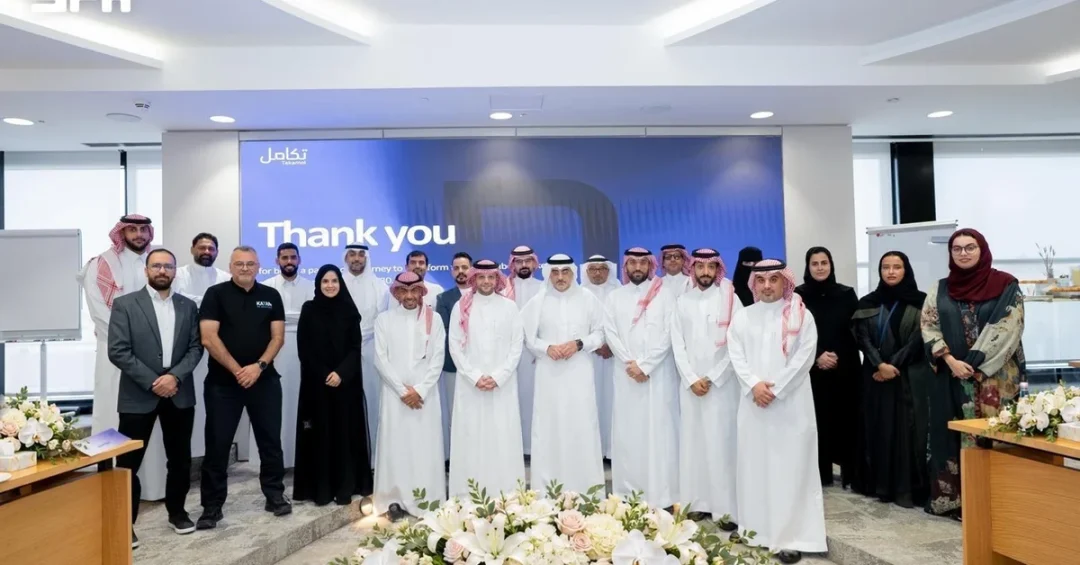
Takamol Holding hosted a group of entrepreneurs and small and medium-sized enterprise (SME) owners in Riyadh on Wednesday, convening a direct engagement session aimed at involving business users in the development of its digital services and products. The meeting, reported by the Saudi Press Agency (SPA), was attended by representatives from the Ministry of Communications and Information Technology and the Digital Government Authority, underscoring the collaborative approach Saudi Arabia is taking to strengthen its digital economy. Participants were introduced to the Qiwa platform and the Tazamon product, learning how these tools can streamline operations and improve efficiency across their businesses.
The session reflects a broader national effort to treat the private sector as a key partner in shaping the digital solutions that power the Kingdom’s economy. Rather than designing services in isolation, Takamol Holding is opening a direct channel with the entrepreneurs and SME owners who rely on its platforms every day. That dialogue allows users to share their views, raise challenges, and ask questions, generating feedback that helps identify areas for improvement. In a fast-modernizing economy, listening to users is not a courtesy but a strategic necessity, and the Riyadh gathering signals that this principle now sits at the center of how Saudi digital services evolve.
Context and Background
Why does a single meeting between a government-linked technology company and a room of business owners matter on the national stage? The answer lies in the scale and ambition of Saudi Arabia’s digital transformation. Over the past several years, the Kingdom has moved decisively to digitize public and private services, connecting citizens, residents, and enterprises to platforms that handle everything from labor relations to commercial registration. Takamol Holding has emerged as a central player in this ecosystem, building and operating digital products that serve millions of users and thousands of companies across the country.
The meeting builds on a sustained series of engagements through which the company has sought to support and empower entrepreneurs and SME owners. Small and medium-sized enterprises form the backbone of the Saudi economy, and their ability to operate efficiently has direct consequences for employment, productivity, and diversification. By involving these businesses in the development of its products, Takamol Holding is reinforcing a partnership with the private sector that aims to improve the user experience and meet the practical needs of enterprises at every stage of growth.
The presence of the Ministry of Communications and Information Technology and the Digital Government Authority at the session adds an important layer of significance. These bodies oversee the national push toward integrated digital government and a thriving technology sector, and their participation demonstrates that the feedback gathered from business users can inform policy and service design at the highest level. In this sense, the gathering was not simply a product demonstration but part of a coordinated national conversation about how digital services should work for the people who depend on them most.
Inside the Engagement Session
What did the entrepreneurs and SME owners actually learn during the session? Participants were given a structured introduction to the Qiwa platform and the Tazamon product, including their main services and solutions and how businesses can use them to streamline operations and improve efficiency. The presentation walked attendees through the practical ways these tools can reduce administrative burden, organize workflows, and help companies focus on growth rather than paperwork. For many SME owners, understanding these capabilities in detail is the first step toward adopting them confidently.
Beyond the demonstration, the meeting provided a dedicated space for direct discussion. Attendees were invited to share their views and suggestions, raise the challenges they encounter in their day-to-day operations, and ask questions about the services on offer. That two-way exchange is central to Takamol Holding’s method: user feedback helps identify areas for improvement and ensures services better meet real needs. By treating business owners as collaborators rather than passive recipients, the company can refine its products in ways that reflect the lived experience of the market.
The format also allowed officials from the Ministry of Communications and Information Technology and the Digital Government Authority to hear directly from the private sector. That kind of direct listening is valuable because it surfaces friction points that may not appear in formal reports. When a small business owner describes a bottleneck in a digital process, the insight can shape how a platform is designed, how support is delivered, and how future features are prioritized. The Riyadh session therefore served as a feedback loop connecting entrepreneurs, a major technology company, and the government bodies responsible for the digital agenda.
International and Regional Impact
How does a domestic engagement session in Riyadh resonate beyond Saudi borders? For international observers and investors, the meeting is a useful signal of how the Kingdom approaches digital governance and private-sector collaboration. Saudi Arabia has positioned itself as a regional leader in digital public services, and its willingness to convene users, regulators, and technology providers in the same room stands out as a model of participative service design. Companies looking to invest or partner in the region can read such sessions as evidence of a transparent and feedback-driven approach to building digital infrastructure.
Across the Gulf and the wider Middle East, governments are racing to digitize services and diversify their economies away from hydrocarbons. Saudi Arabia’s experience offers a reference point for how to balance central coordination with responsiveness to business needs. By involving SMEs directly, Takamol Holding helps ensure that the digital tools underpinning the economy are practical, accessible, and aligned with the realities of the companies that use them. That approach strengthens the Kingdom’s credibility as a place where technology serves enterprise and where the private sector has a genuine voice in the services it relies on.
Economic and Strategic Significance
Why should the international business community care about how Saudi SMEs are supported digitally? Because small and medium-sized enterprises are a powerful engine of job creation and economic diversification, and their productivity is closely tied to the quality of the digital tools available to them. When platforms like Qiwa and products like Tazamon are refined through direct user feedback, the result is a business environment that is easier to navigate, less costly to operate in, and more attractive to entrepreneurs. That improves the competitiveness of the Saudi economy as a whole and supports the broader goal of expanding the non-oil private sector.
The strategic significance extends to the relationship between the public and private sectors. By strengthening communication with users, listening to their experiences and expectations, and placing their needs at the center of improvement efforts, Takamol Holding is helping to build a culture in which services are continuously refined. That culture of iteration is a hallmark of mature digital economies, and it reinforces confidence among businesses that their voices are heard. For a Kingdom pursuing an ambitious transformation, such trust between government-linked institutions and private enterprise is a valuable asset that compounds over time.
Vision 2030 Alignment
How does this gathering connect to the larger ambitions of Saudi Vision 2030? The Vision places digital transformation, private-sector growth, and the empowerment of entrepreneurs at the heart of the national agenda. Takamol Holding’s engagement with SME owners directly supports these objectives by ensuring that the digital services underpinning the economy are responsive, efficient, and user-centered. The meeting reflects a forward-looking mindset in which continuous improvement and open dialogue are treated as essential to delivering world-class services and strengthening the partnership between the public and private sectors.
The session in Riyadh is one step in a continuing journey. Takamol Holding has made clear that it intends to keep developing its services and products by strengthening communication with users, listening to their experiences and expectations, and delivering more efficient and effective digital solutions. That commitment will help entrepreneurs and SME owners across the Kingdom operate with greater confidence, contribute to national growth, and share in the benefits of a modern, diversified economy. In the years ahead, the willingness to listen, adapt, and improve will remain central to Saudi Arabia’s success in building digital services that serve both people and enterprise.
20 Questions
Q1. What did Takamol Holding host in Riyadh on Wednesday?
A1. Takamol Holding hosted a group of entrepreneurs and small and medium-sized enterprise owners to strengthen direct engagement and involve them in developing its services and products.
Q2. Who else attended the meeting besides the business owners?
A2. Representatives from the Ministry of Communications and Information Technology and the Digital Government Authority attended the meeting, reflecting coordinated government support for digital service development.
Q3. What platforms and products were introduced to participants?
A3. Participants were introduced to the Qiwa platform and the Tazamon product, including their main services and solutions and how businesses can use them to streamline operations.
Q4. Why did Takamol Holding organize this engagement session?
A4. The meeting was held in recognition of the private sector’s role as a key partner in improving services and developing digital solutions for the Kingdom’s businesses.
Q5. What benefit do participants get from the Qiwa and Tazamon presentations?
A5. The presentations help businesses understand how these tools can reduce administrative burden, organize workflows, and improve efficiency across their daily operations.
Q6. How did the meeting allow for two-way communication?
A6. The meeting provided a dedicated space for direct discussion, letting participants share views and suggestions, raise challenges, and ask questions about the services on offer.
Q7. How is user feedback used by Takamol Holding?
A7. User feedback helps identify areas for improvement and ensures services better meet users’ needs, placing the user experience at the center of ongoing development.
Q8. What is Takamol Holding’s broader approach to service development?
A8. The company continues to develop its services by strengthening communication with users, listening to their experiences and expectations, and prioritizing their needs.
Q9. What does Takamol Holding aim to deliver as a result?
A9. The company aims to deliver more efficient and effective digital solutions that support businesses and improve the overall user experience.
Q10. How does this meeting support entrepreneurs and SME owners?
A10. The meeting builds on efforts to support and empower entrepreneurs and SME owners, strengthening the partnership with the private sector and improving the user experience.
Q11. Why is the private sector described as a key partner?
A11. The private sector is a key partner because its businesses rely on and help shape the digital services that power the economy, making their input essential to improvement.
Q12. What role do the Ministry and the Digital Government Authority play?
A12. Their representatives attend such sessions to hear directly from the private sector and to support the national push toward integrated digital government services.
Q13. What kinds of challenges can participants raise during the session?
A13. Participants can raise the day-to-day operational challenges they face with digital services, helping to surface friction points that may not appear in formal reports.
Q14. Why is direct dialogue valuable for government bodies?
A14. Direct dialogue surfaces practical insights from business owners that can shape how platforms are designed, how support is delivered, and how features are prioritized.
Q15. How does this session reflect Saudi Arabia’s digital transformation?
A15. It reflects a coordinated national effort to digitize services, connect entrepreneurs with technology providers, and ensure digital tools serve the needs of enterprises.
Q16. What is the significance for SMEs in the Kingdom?
A16. SMEs form a vital part of the economy, and better digital tools improve their productivity, efficiency, and ability to grow and create jobs.
Q17. How does the meeting strengthen public-private partnership?
A17. By bringing users, regulators, and the technology provider together, the meeting builds trust and reinforces collaboration between the public and private sectors.
Q18. What message does this send to international investors?
A18. It signals a transparent, feedback-driven approach to digital governance that can encourage confidence among international investors and partners.
Q19. How does the session link to Saudi Vision 2030?
A19. It supports Vision 2030 goals of digital transformation, private-sector growth, and entrepreneurship by ensuring services are responsive and user-centered.
Q20. What will Takamol Holding do next after gathering this feedback?
A20. Takamol Holding will continue developing its services and products by strengthening communication with users and delivering more efficient, effective digital solutions.
Reader Feedback
We value your thoughts. Please share your feedback on this article.
Your feedback helps us improve our coverage.