


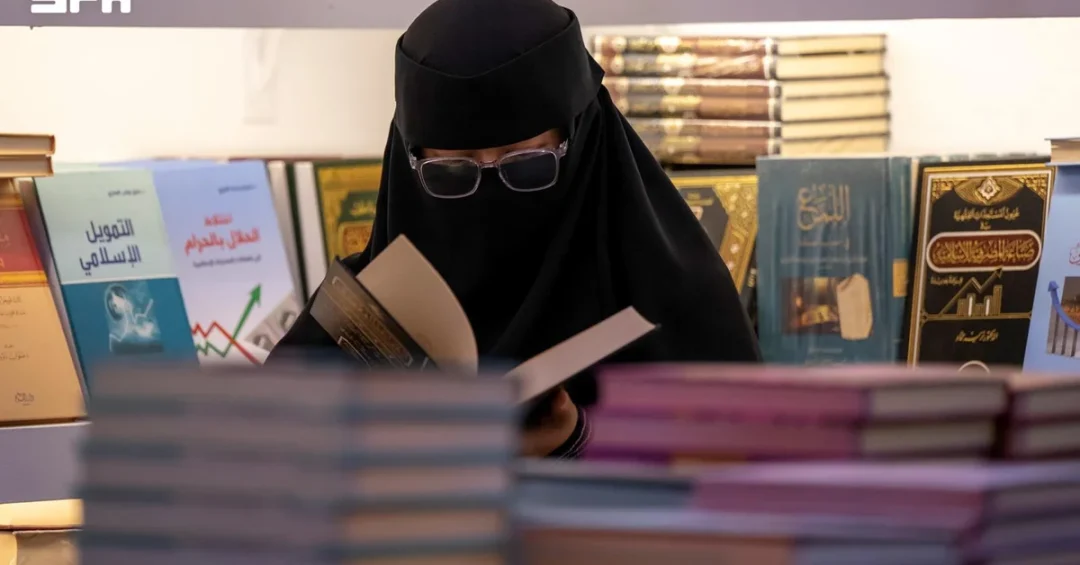
Saudi Arabia’s literary landscape has achieved a historic milestone, with 341 novels published by Saudi authors in 2025—a 56% increase over the 218 novels released in 2024, according to the Ministry of Culture’s “Report on the State of Culture in the Kingdom of Saudi Arabia 2025.” The report, titled “A Decade of Vision,” was released to coincide with World Arabic Novel Day on October 12, highlighting a period of unprecedented growth in the Kingdom’s narrative arts. The surge reflects the broader development of Saudi Arabia’s cultural scene under Vision 2030, which has prioritized investment in creative industries and expanded opportunities for writers, publishers, and readers.
Can the rapid expansion of Saudi narrative literature serve as a model for cultural development across the region? The numbers tell a compelling story: total published literary works rose to 715 in 2025 from 509 in 2024, a growth rate of approximately 40.5%. The novel led all literary genres, followed by short story collections, poetry collections, and autobiographies. Book sales outlets expanded from 123 in 2019 to 800, while translations from Arabic into other languages reached 847 books in 2025—signaling that Saudi and Arabic literature are reaching global audiences as never before.
Context and Background
How did Saudi Arabia’s literary sector transform so dramatically in just a few years? The answer lies in a deliberate national strategy to cultivate culture as a pillar of economic and social development. The Ministry of Culture, established in 2018 as part of Vision 2030 reforms, has launched numerous initiatives to support writers, publishers, and literary associations. These include grants for emerging authors, literary festivals, and the establishment of cultural centers across the Kingdom. The “Report on the State of Culture in the Kingdom of Saudi Arabia 2025,” subtitled “A Decade of Vision,” documents these efforts and their measurable outcomes.
World Arabic Novel Day, observed annually on October 12, provides a moment to reflect on the evolution of Arabic narrative art. In Saudi Arabia, this evolution has been marked by a diversity of themes and narrative voices, experimentation with artistic techniques, and a deep engagement with social and historical memory. Saudi novelists are increasingly exploring the human and cultural changes sweeping through society, producing works that resonate both locally and internationally. The growth in published novels is not merely a statistical uptick but a sign of a vibrant, maturing literary ecosystem.
What role do cultural institutions play in this surge? Saudi literary associations, writing clubs, and academic programs have expanded their activities, offering workshops, mentorship, and platforms for new voices. The Ministry of Culture’s literary initiatives, such as the King Faisal Prize for Arabic Literature and the Saudi Book Fair, have elevated the profile of Saudi authors. Meanwhile, the expansion of book sales outlets from 123 in 2019 to 800 in 2025 has made books more accessible to a growing readership, fostering a culture of reading that sustains literary production.
Key Details
What exactly does the Ministry of Culture’s report reveal about the state of Saudi literature? The data is striking: 341 novels published in 2025, up from 218 in 2024, a 56% increase. Total literary works—including novels, short story collections, poetry, and autobiographies—reached 715, up from 509, a 40.5% rise. The novel is the dominant genre, but the diversity of output suggests a healthy literary ecosystem. The report also notes that 847 books were translated from Arabic into other languages in 2025, indicating growing international interest in Arabic literature and the success of Saudi efforts to promote cultural exchange.
How has the publishing infrastructure evolved to support this output? The number of book sales outlets jumped from 123 in 2019 to 800, a more than sixfold increase. This expansion reflects investment in bookstores, libraries, and distribution networks, making it easier for readers to access new titles. Digital platforms have also played a role, with online bookstores and e-book services complementing physical outlets. The Ministry of Culture has supported these developments through regulatory reforms, financial incentives, and partnerships with the private sector, creating an environment where publishing can thrive.
What themes and trends are emerging in Saudi novels? According to the report, Saudi novelists are exploring a wide range of subjects, from social and historical memory to contemporary human and cultural transformations. The diversity of narrative voices—including women writers and young authors—has enriched the literary landscape. This thematic breadth is attracting readers both within the Kingdom and abroad, as evidenced by the surge in translations. The novel’s rise as the leading genre underscores its appeal as a form capable of capturing the complexities of modern Saudi society.
International and Regional Impact
How is Saudi Arabia’s literary boom influencing the broader Arab world and beyond? The 847 translations from Arabic into other languages in 2025 signal that Saudi literature is gaining global traction. International publishers and literary agents are increasingly looking to Arabic fiction for fresh voices and compelling stories. Saudi authors are participating in international book fairs, such as those in Frankfurt, London, and Guadalajara, where Arabic literature has been a focal point in recent years. This cultural diplomacy complements the Kingdom’s economic and political engagement, presenting a nuanced image of Saudi society to global audiences.
What does this mean for regional literary dynamics? Saudi Arabia’s investment in culture is part of a wider trend in the Gulf, where governments are recognizing the soft power of arts and literature. The Kingdom’s success in expanding publishing and translation could inspire similar initiatives in neighboring countries. Moreover, Saudi literary festivals and prizes are attracting writers from across the Arab world, fostering a regional exchange of ideas. The growth of Saudi narrative literature thus strengthens the Arabic literary tradition as a whole, while also asserting Saudi Arabia’s role as a cultural leader in the region.
Economic and Strategic Significance
How does the literary boom contribute to Saudi Arabia’s economic diversification? The creative industries, including publishing, are identified in Vision 2030 as key sectors for job creation and GDP growth. The expansion of book sales outlets, the rise in literary production, and the increase in translations all generate economic activity—from publishing houses and printing presses to bookstores and digital platforms. The Ministry of Culture estimates that the cultural sector could contribute significantly to the national economy in the coming years, with literary arts playing a vital role. This aligns with the broader goal of reducing dependence on oil and fostering knowledge-based industries.
What strategic value does cultural growth hold for Saudi Arabia’s global image? By nurturing a vibrant literary scene, the Kingdom showcases its commitment to intellectual and artistic expression, countering stereotypes and highlighting the dynamism of Saudi society. The Ministry of Culture’s report, “A Decade of Vision,” documents how cultural investment has accelerated since 2015, the year Vision 2030 was announced. The surge in novel publishing is a tangible outcome of this strategic focus, demonstrating that Saudi Arabia is not only an economic powerhouse but also a cultural force. This soft power enhances the Kingdom’s diplomatic and economic relationships worldwide.
Vision 2030 Alignment
How does the growth in narrative literature exemplify the goals of Vision 2030? The Vision’s cultural pillar aims to preserve Saudi heritage while fostering a creative economy that enriches quality of life. The Ministry of Culture’s initiatives—ranging from funding for authors to the expansion of book outlets—directly support these objectives. The 56% increase in novels published in 2025 is a clear indicator that the strategy is working. As Saudi Arabia continues to invest in its cultural infrastructure, the literary sector is poised for further growth, contributing to the Kingdom’s transformation into a knowledge society and a global cultural hub.
What does the future hold for Saudi narrative literature? With 341 novels published in a single year and translations reaching 847 books, Saudi authors are poised to make an even greater mark on the world stage. The Ministry of Culture’s report underscores that the decade since Vision 2030’s launch has been one of remarkable cultural progress. As new generations of writers emerge, supported by expanded publishing networks and international platforms, Saudi literature will continue to flourish, enriching both Arabic and global literary traditions. The Kingdom’s cultural journey is just beginning, and its narrative is one of creativity, resilience, and global engagement.
20 Questions
Q1. How many novels did Saudi authors publish in 2025?
A1. According to the Ministry of Culture’s “Report on the State of Culture in the Kingdom of Saudi Arabia 2025,” Saudi authors published 341 novels in 2025, a significant increase from the previous year.
Q2. What was the percentage increase in novels published from 2024 to 2025?
A2. The number of novels published rose from 218 in 2024 to 341 in 2025, representing an increase of approximately 56%.
Q3. What is the title of the Ministry of Culture’s report on the state of culture?
A3. The report is titled “A Decade of Vision” and provides comprehensive data on Saudi Arabia’s cultural development, including literary output.
Q4. How many total literary works were published in Saudi Arabia in 2025?
A4. Total published literary works reached 715 in 2025, up from 509 in 2024, reflecting a growth rate of approximately 40.5%.
Q5. Which literary genre had the highest output in 2025?
A5. The novel topped the list of literary genres in terms of output, followed by short story collections, poetry collections, and autobiographies.
Q6. How many book sales outlets existed in Saudi Arabia in 2019 and 2025?
A6. The number of book sales outlets increased from 123 in 2019 to 800 in 2025, showing a major expansion of the distribution network.
Q7. How many works were translated from Arabic into other languages in 2025?
A7. In 2025, 847 books were translated from Arabic into other languages, indicating growing international reach for Arabic literature.
Q8. When is World Arabic Novel Day celebrated?
A8. World Arabic Novel Day is celebrated annually on October 12, honoring the art of the Arabic novel and its cultural significance.
Q9. What does the growth in novel publishing indicate about Saudi culture?
A9. It reflects the development of the Saudi cultural scene, the diversity of narrative voices, and the support provided under Saudi Vision 2030.
Q10. How does Vision 2030 support literary production?
A10. Vision 2030 includes cultural initiatives that provide grants, festivals, and infrastructure, empowering writers and publishers to expand literary output.
Q11. What themes are Saudi novelists exploring?
A11. Saudi novelists explore diverse themes including social and historical memory, human and cultural changes, and a variety of artistic techniques.
Q12. Which government body released the report on the state of culture?
A12. The Ministry of Culture released the “Report on the State of Culture in the Kingdom of Saudi Arabia 2025,” documenting cultural growth.
Q13. How has the number of book sales outlets changed since 2019?
A13. Book sales outlets increased from 123 in 2019 to 800 in 2025, a more than sixfold expansion that improves access to books.
Q14. What role do translations play in Saudi literature’s global presence?
A14. Translations of 847 books in 2025 help Arabic literary works reach international readers, strengthening cultural exchange and global presence.
Q15. What is the significance of the 40.5% growth in total literary works?
A15. It demonstrates a broad expansion across genres, indicating a healthy and growing literary ecosystem in Saudi Arabia.
Q16. How does the literary boom contribute to Saudi Arabia’s economy?
A16. The creative industries, including publishing, generate jobs and revenue, supporting economic diversification away from oil dependence.
Q17. What international events showcase Saudi literature?
A17. Saudi authors participate in global book fairs such as Frankfurt, London, and Guadalajara, where Arabic literature is featured prominently.
Q18. How does the Ministry of Culture support emerging writers?
A18. The Ministry offers grants, mentorship programs, literary prizes, and platforms like book fairs to nurture new talent and promote Saudi voices.
Q19. What does the term “A Decade of Vision” refer to in the report?
A19. It refers to the ten-year period since Vision 2030 was launched, highlighting cultural achievements and transformations in Saudi Arabia.
Q20. What is the future outlook for Saudi narrative literature?
A20. With continued investment and growing international interest, Saudi narrative literature is poised for further growth, enriching Arabic and global literary traditions.
Reader Feedback
We value your thoughts. Please share your feedback on this article.
Your feedback helps us improve our coverage.