


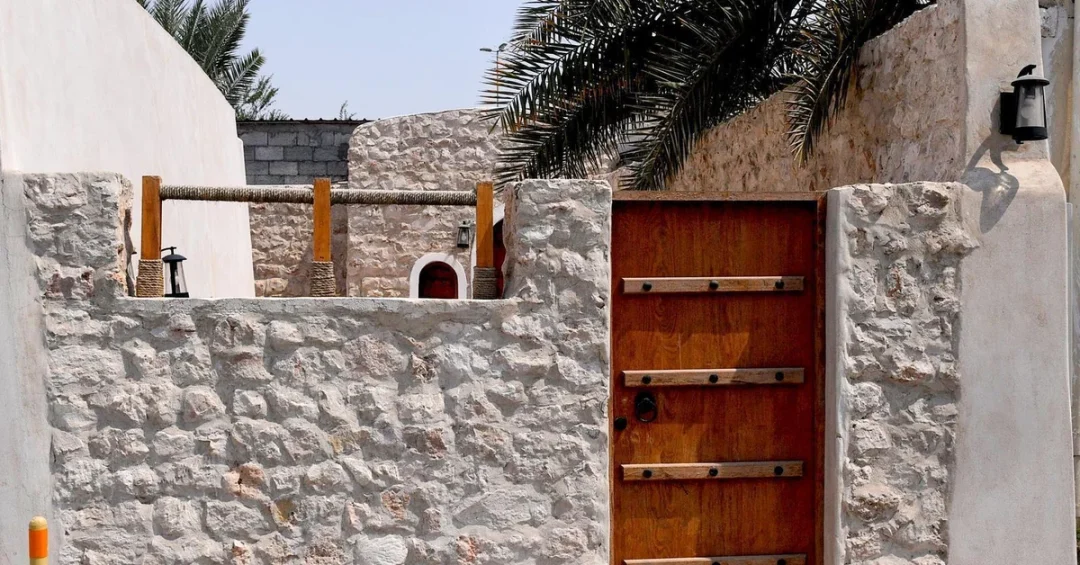
Abu Lawza Building, a heritage landmark in Al-Qatif Governorate, was built above the famous Saih Al-Qatif Springs in 1289 AH, showcasing traditional Eastern Region architecture. The building, constructed using marine stone, plaster, and palm trunks, is a testament to local craftsmanship and is now undergoing restoration as part of Saudi Arabia’s cultural heritage initiatives.
Context and Background
The Abu Lawza Building is nestled in one of Al-Qatif’s towns, rising directly above the Saih Al-Qatif Springs, which have long been a source of water and life for the region. Its location highlights the ingenuity of local builders who integrated architecture with natural water sources, creating a unique cultural and functional landmark. The structure exemplifies the traditional construction methods prevalent in the area, reflecting a rich cultural legacy.
Key Details
In 2025, the Heritage Commission initiated a comprehensive restoration project for the Abu Lawza Building. The project encompasses several stages, including documentation, reinforcement, restoration, and rehabilitation, ensuring the building’s structural integrity and historical authenticity. Plans are underway to activate the site as a cultural destination in the Eastern Region, inviting visitors to explore its historical and architectural significance. The restoration is part of broader national efforts to preserve Saudi heritage.
Implications and Impact
The restoration and activation of the Abu Lawza Building are expected to boost cultural tourism in the Eastern Region, attracting both domestic and international visitors. By transforming heritage sites into vibrant spaces, Saudi Arabia enhances its appeal as a cultural destination, aligning with global trends in heritage tourism. This initiative also fosters community connection to historical roots, promoting social cohesion and local pride.
Vision 2030 Alignment
The project is a tangible expression of Saudi Vision 2030, which prioritizes the cultural sector and aims to transform heritage sites into engines of sustainable development. By preserving landmarks like the Abu Lawza Building, the Kingdom strengthens its cultural identity while contributing to economic diversification and community well-being. Such efforts underscore Saudi Arabia’s commitment to showcasing its rich history to the world.
20 Questions
Q1. What is the Abu Lawza Building?
A1. The Abu Lawza Building is a heritage landmark in Al-Qatif Governorate, built above the Saih Al-Qatif Springs, known for its traditional architecture and cultural significance.
Q2. When was the Abu Lawza Building constructed?
A2. It was constructed in 1289 AH (approximately 1872 AD), reflecting the construction methods of that era.
Q3. Why is the Abu Lawza Building significant?
A3. It is significant for its architectural heritage, its location above a famous water spring, and its representation of local building traditions.
Q4. What materials were used in its construction?
A4. Local builders used marine stone, plaster, and palm trunks to construct the building, typical of the region’s traditional materials.
Q5. What restoration project was implemented in 2025?
A5. The Heritage Commission began a restoration project in 2025, involving documentation, reinforcement, restoration, and rehabilitation.
Q6. What is the goal of the restoration project?
A6. The goal is to restore the building to its former glory and activate it as a cultural destination in the Eastern Region.
Q7. Why is the location above the springs important?
A7. The location highlights the integration of architecture with natural water sources, demonstrating innovative use of the environment.
Q8. How does the building reflect local creativity?
A8. Its architectural style embodies local creativity and traditional construction methods prevalent in Al-Qatif, making it a unique heritage site.
Q9. What are the future plans for the Abu Lawza Building?
A9. Plans include activating the site as one of the cultural destinations in the Eastern Region to attract visitors.
Q10. How does this align with Saudi Vision 2030?
A10. The project aligns with Vision 2030’s emphasis on cultural heritage, transforming heritage sites into vibrant spaces that support cultural tourism.
Q11. Who is responsible for the restoration?
A11. The Heritage Commission, a government body, is responsible for the restoration project.
Q12. What is the Saih Al-Qatif Springs?
A12. The Saih Al-Qatif Springs is one of the most famous water springs in the Eastern Region, known for its historical and cultural importance.
Q13. Why is the building called “Abu Lawza”?
A13. The name “Abu Lawza” is believed to be derived from local heritage, but specific origins are not documented in the source material.
Q14. What was the construction era’s architectural style?
A14. The era’s architectural style featured the use of local materials like marine stone and palm trunks, reflecting traditional Eastern Province design.
Q15. How will the restoration impact tourism?
A15. By making the site accessible and attractive, it is expected to boost cultural tourism in the region, drawing more visitors.
Q16. What stages does the restoration include?
A16. The stages include documentation, reinforcement, restoration, and rehabilitation, ensuring thorough preservation.
Q17. How does this heritage site benefit the community?
A17. It strengthens the community’s connection to its historical roots and can provide economic opportunities through tourism.
Q18. What is the significance of the Heritage Commission’s role?
A18. The Heritage Commission plays a crucial role in preserving Saudi Arabia’s cultural heritage, aligning with national goals.
Q19. How does the project support sustainable development?
A19. By repurposing heritage sites, it promotes sustainable tourism and economic diversification, key aspects of Vision 2030.
Q20. What does the future hold for the Abu Lawza Building?
A20. With restoration and activation, the building is set to become a vibrant cultural site, attracting visitors and preserving Saudi heritage.
Reader Feedback
We value your thoughts. Please share your feedback on this article.
Your feedback helps us improve our coverage.