


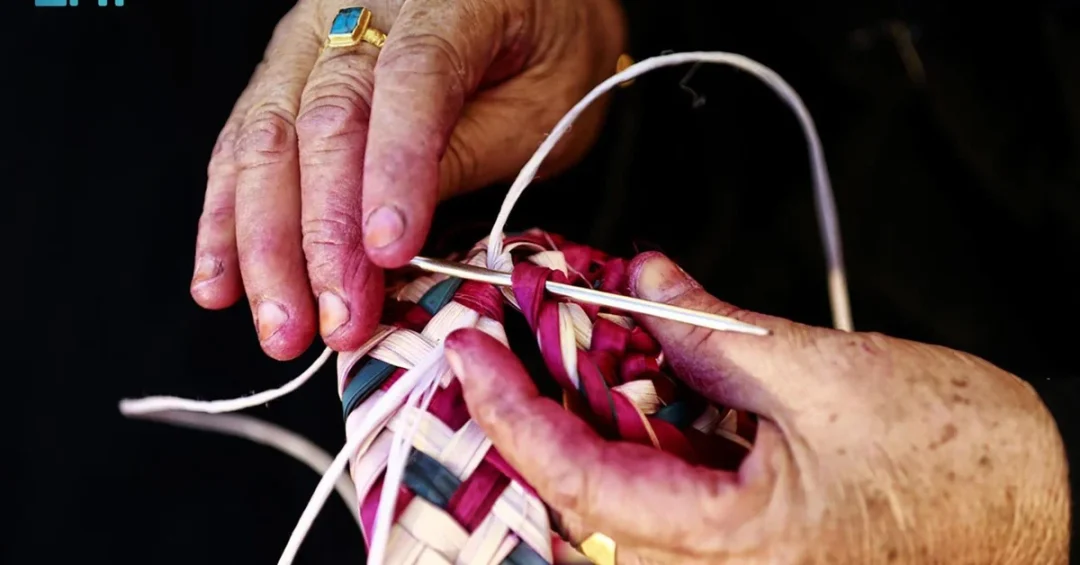
Al-Ahsa, a historic oasis city in Saudi Arabia’s Eastern Province, has been elected as deputy head of the UNESCO Creative Cities Network in the field of crafts and folk arts. The announcement, made through the official Saudi Press Agency (SPA), highlights the city’s growing international recognition and its commitment to preserving cultural heritage.
Context and Background
The UNESCO Creative Cities Network was established in 2004 to promote cooperation among cities that identify creativity as a strategic factor for sustainable development. Al-Ahsa joined the network in 2015 after a pioneering initiative by Al-Ahsa Municipality. It became the first Gulf city and the third in the Arab world to join the creative field of crafts and folk arts, a category now encompassing 66 cities globally.
Since joining, Al-Ahsa has actively engaged with other creative cities, sharing expertise in preserving handicrafts and folk arts through international meetings and conferences in South Korea, Poland, France, the United States, Australia, and Brazil. These exchanges have deepened its understanding of heritage preservation and strengthened its international ties.
Key Details
Represented by Dr. Ibrahim Al-Shabith, Al-Ahsa secured the deputy head position in the network, a role that underscores its leadership in the crafts and folk arts community. This success is supported by several national entities, including Al-Ahsa Municipality, Al-Ahsa Governorate, the Culinary Arts Commission, the Saudi National Commission for Education, Culture and Science, the Heritage Commission, and the Royal Institute for Traditional Arts.
Al-Ahsa stands out for its unique creative assets, cultural heritage, and deep historical roots in handicrafts and folk arts. The city has worked on developing general objectives that integrate education with cultural and creative activities, enhancing the sustainability of these traditions for future generations.
Implications and Impact
This new role positions Al-Ahsa as a key contributor to global heritage conservation. It enables the city to influence international policies and share its best practices with other creative cities. The appointment also strengthens cultural diplomacy, showcasing Saudi Arabia’s commitment to preserving its heritage while fostering global cooperation.
For the Gulf region, Al-Ahsa’s achievement sets a precedent for other cities to embrace their cultural assets and pursue UNESCO recognition. It underscores the importance of sustainable cultural development and provides a model for integrating heritage into modern economic growth.
Vision 2030 Alignment
Al-Ahsa’s election to this prominent role aligns closely with Saudi Arabia’s Vision 2030, which prioritizes culture and heritage as vital components of national identity and economic diversification. By leading in the UNESCO network, Al-Ahsa contributes to the Kingdom’s ambition to position itself as a global cultural hub, promoting cross-cultural understanding and fostering creative industries that support the quality of life and sustainable development.
20 Questions
Q1. What is the UNESCO Creative Cities Network?
A1. The UNESCO Creative Cities Network is a global initiative that brings together cities that have identified creativity as a strategic factor for sustainable development. It covers fields such as crafts and folk arts, literature, design, and music, promoting collaboration and sharing of best practices.
Q2. What does Al-Ahsa’s involvement in this network represent?
A2. Al-Ahsa’s involvement represents a significant acknowledgment of its rich cultural heritage and its creative assets in crafts and folk arts. It marks the city’s dedication to preserving and promoting these traditions, while also engaging with a global community committed to cultural diversity.
Q3. How many cities are part of the crafts and folk arts field?
A3. The crafts and folk arts field encompasses 66 cities from around the world. This diverse group highlights the global importance of traditional crafts and the collective effort to preserve them through cultural cooperation.
Q4. When did Al-Ahsa first join the network?
A4. Al-Ahsa joined the network in 2015, following an initiative by Al-Ahsa Municipality. This early membership demonstrated the city’s proactive approach to cultural recognition and its commitment to sharing its heritage with the world.
Q5. Who represented Al-Ahsa in the election?
A5. Dr. Ibrahim Al-Shabith represented Al-Ahsa in the election for the deputy head position. He served as the city’s delegate in the network, symbolizing Al-Ahsa’s strong involvement in global cultural affairs.
Q6. What is the role of the deputy head?
A6. The deputy head assists in coordinating the network’s activities, supporting the head, and fostering collaboration among member cities. For Al-Ahsa, this role means more responsibility in guiding global initiatives in crafts and folk arts.
Q7. Which national entities supported Al-Ahsa’s success?
A7. Al-Ahsa’s success was supported by several entities: Al-Ahsa Municipality, Al-Ahsa Governorate, the Culinary Arts Commission, the Saudi National Commission for Education, Culture and Science, the Heritage Commission, and the Royal Institute for Traditional Arts.
Q8. What makes Al-Ahsa unique in the crafts and folk arts field?
A8. Al-Ahsa is distinguished by its deep historical connections to handicrafts and folk arts, including traditional weaving, pottery, and palm-leaf crafts. Its unique creative assets and rich cultural heritage set it apart among the network’s cities.
Q9. How does Al-Ahsa integrate education with cultural activities?
A9. Al-Ahsa develops educational programs that link schools and cultural institutions with workshops and training in traditional arts. This integration ensures that younger generations learn crafts, making the sustainability of these skills.
Q10. What international meetings has Al-Ahsa participated in?
A10. Al-Ahsa has participated in international meetings and conferences in South Korea, Poland, France, the United States, Australia, and Brazil. These events allowed the city to share expertise and learn from other creative cities.
Q11. Why is Al-Ahsa’s election significant for the Gulf?
A11. Al-Ahsa is the first Gulf city to take on such a leadership role in the network, setting a precedent for regional cities. It enhances the Gulf’s cultural footprint and highlights the value of regional heritage.
Q12. How will this role benefit Al-Ahsa’s local community?
A12. The role brings global attention to Al-Ahsa’s culture, attracting tourism and economic development. It also provides local artisans with a platform to showcase their work, increasing pride and community engagement in cultural preservation.
Q13. What is the Royal Institute for Traditional Arts’ contribution?
A13. The Royal Institute for Traditional Arts, known as ‘Wrth’, provides technical and training support for traditional arts. It plays a critical role in preserving and developing Al-Ahsa’s crafts, ensuring that they remain a living heritage.
Q14. What types of crafts are prominent in Al-Ahsa?
A14. Al-Ahsa is famous for its pottery, weaving, and palm-leaf craft, as well as traditional metalwork. These crafts are integral to the city’s identity, reflecting centuries-old techniques passed down through generations.
Q15. How does Al-Ahsa promote sustainable development through its crafts?
A15. Al-Ahsa promotes sustainable development by linking craft preservation with eco-tourism and local economic empowerment. It encourages resource-efficient production and supports artisans, contributing to the city’s overall sustainability goals.
Q16. What future plans does Al-Ahsa have in the network?
A16. Al-Ahsa aims to strengthen its leadership by expanding workshops, creating mentorship programs, and fostering greater exchanges with member cities. It will also work to highlight the importance of intangible cultural heritage in development.
Q17. How does this align with Saudi Vision 2030?
A17. The election aligns with Vision 2030 by supporting a vibrant society with strong cultural roots. It contributes to the Kingdom’s goal of enhancing quality of life through heritage and creativity, while also diversifying the economy through culture.
Q18. What is the process for a city to join the network?
A18. Cities apply to UNESCO, demonstrating their commitment to using their creative assets for development. The application includes a detailed assessment of their cultural and creative landscape, as well as a vision for its future growth.
Q19. How many total cities are in the UNESCO Creative Cities Network?
A19. As of now, the network includes over 300 cities from all over the world, each representing a specific creative field. This large number underscores the universal importance of culture and creativity in urban development.
Q20. What message does Al-Ahsa’s success send to the world?
A20. Al-Ahsa’s success sends a clear message that cultural heritage is a pathway to international leadership and respect. It shows that even a small city can make a lasting impact on the global stage, combining tradition with modern innovation.
Reader Feedback
We value your thoughts. Please share your feedback on this article.
Your feedback helps us improve our coverage.