


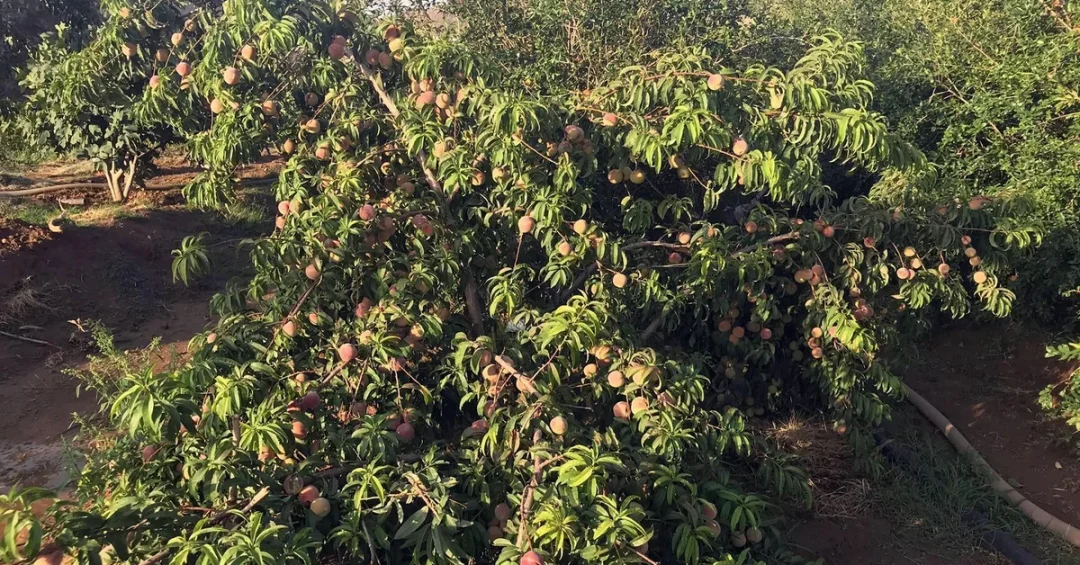
The Al-Klebein season, a 13-day period recognized in traditional astronomical reckoning and the agricultural calendar, began today, according to the Saudi Press Agency. The season, which continues through August 23, marks one of the hottest stages of summer and coincides with the ripening of various crops and fruits across the Kingdom, particularly dates. The announcement, released via official Saudi channels, highlights the enduring connection between seasonal markers, agricultural practices, and folk traditions passed down through generations in Saudi Arabia.
Context and Background
The Al-Klebein season holds significance in Saudi heritage as a time when observers historically used the positions of stars to track weather patterns and anticipate agricultural cycles. In popular tradition, Al-Klebein refers to two closely positioned stars and is associated with Al-Nathrah, the eighth lunar mansion. It falls in the later stages of summer, shortly before the arrival of the Suhail season, another key marker in the traditional calendar.
Agricultural calendar researcher Mohammed Al-Wad’ei explained that the start of Al-Klebein is an established marker used for calculating agricultural seasons. He noted that the season lasts 13 days and aligns with the ripening of numerous crops and fruits, underscoring the deep-rooted connection between these seasonal indicators, farming schedules, and cultural traditions in the Kingdom.
Key Details
During Al-Klebein, palm trees in several regions of Saudi Arabia enter advanced stages of color change, ripening, and harvesting. The timing varies depending on date varieties, location, and climatic conditions. This period is critical for date production, a staple of Saudi agriculture and a symbol of national identity.
In the Aseer region, agricultural activities diversify due to differences in elevation, terrain, and climate. Farmers continue tending local crops such as sorghum, wheat, barley, and corn, along with seasonal fruits and vegetables. The Al-Klebein season thus represents a peak time for agricultural productivity and cultural observance.
The season concludes on August 23, followed by the arrival of Suhail according to the traditional calendar. This transition has historically been associated with shifts in weather, stages of fruit ripening, and the cycle of agricultural activities that sustain rural communities.
Implications and Impact
The onset of Al-Klebein has broader implications for Saudi Arabia’s agricultural sector, which is a key component of the Kingdom’s economic diversification efforts under Vision 2030. The date industry, in particular, contributes to food security and rural development. Traditional knowledge of seasonal markers like Al-Klebein supports modern farming practices by providing historical climate insights.
Regionally, the season reflects the Kingdom’s rich cultural heritage and its commitment to preserving traditions while embracing innovation. The alignment of agricultural cycles with astronomical observations demonstrates a harmonious blend of heritage and progress, a theme central to Saudi Arabia’s national narrative.
Vision 2030 Alignment
The Al-Klebein season exemplifies Saudi Arabia’s dedication to honoring its cultural legacy while advancing Vision 2030 goals. By integrating traditional agricultural wisdom with modern technologies and sustainable practices, the Kingdom enhances its food security, supports local farmers, and promotes heritage tourism. As Saudi Arabia continues its transformative journey, events like Al-Klebein serve as reminders of the nation’s enduring connection to its land and its forward-looking aspirations.
20 Questions
Q1. What is the Al-Klebein season?
A1. The Al-Klebein season is a 13-day period recognized in traditional astronomical and agricultural calendars, marking one of the hottest stages of summer and the ripening of crops and fruits in Saudi Arabia.
Q2. When does the Al-Klebein season begin and end?
A2. The Al-Klebein season began today, August 11, 2026, and continues through August 23, 2026, according to the Saudi Press Agency.
Q3. What are the two stars associated with Al-Klebein?
A3. In popular heritage, Al-Klebein refers to two closely positioned stars. It is associated with Al-Nathrah, the eighth lunar mansion, and falls shortly before the Suhail season.
Q4. Who is Mohammed Al-Wad’ei?
A4. Mohammed Al-Wad’ei is an agricultural calendar researcher who explained that the start of Al-Klebein is an established marker used in calculating agricultural seasons.
Q5. Why is Al-Klebein important for agriculture?
A5. Al-Klebein coincides with the ripening of various crops and fruits, particularly dates, and helps farmers plan activities such as harvesting and tending to crops like sorghum, wheat, barley, and corn.
Q6. Which regions in Saudi Arabia are most affected by Al-Klebein?
A6. The Aseer region is notably affected, where agricultural activities vary due to differences in elevation, terrain, and climate. Date palm cultivation also occurs in several other parts of the Kingdom.
Q7. How does Al-Klebein affect date palm trees?
A7. During Al-Klebein, palm trees enter advanced stages of color change, ripening, and harvesting. The exact timing varies by date variety, location, and climatic conditions.
Q8. What crops are grown during Al-Klebein in Aseer?
A8. Farmers in Aseer tend to local crops such as sorghum, wheat, barley, and corn, along with seasonal fruits and vegetables, during the Al-Klebein season.
Q9. What is the Suhail season?
A9. The Suhail season is another traditional seasonal marker that follows Al-Klebein. It is associated with changes in weather and agricultural cycles in Saudi Arabia.
Q10. How long has Al-Klebein been observed?
A10. Al-Klebein has been observed for generations as part of traditional astronomical reckoning and the agricultural calendar, with knowledge passed down through folk traditions.
Q11. What is Al-Nathrah?
A11. Al-Nathrah is the eighth lunar mansion in traditional Arabic astronomy, associated with the Al-Klebein period. It is used to track seasonal changes and agricultural timing.
Q12. How does Al-Klebein relate to weather patterns?
A12. Al-Klebein falls during one of the hottest stages of summer. Historically, observers used star positions to anticipate weather patterns and plan agricultural activities accordingly.
Q13. What is the significance of Al-Klebein for Saudi heritage?
A13. Al-Klebein represents an enduring connection between seasonal markers, agriculture, and folk traditions. It reflects the Kingdom’s rich cultural heritage and traditional knowledge of the environment.
Q14. How does Al-Klebein support food security in Saudi Arabia?
A14. By signaling the ripening and harvesting of dates and other crops, Al-Klebein helps farmers optimize yields, contributing to food security and rural development under Vision 2030.
Q15. What role does Al-Klebein play in Vision 2030?
A15. Al-Klebein aligns with Vision 2030 by promoting sustainable agriculture, preserving cultural heritage, and supporting economic diversification through enhanced agricultural productivity and heritage tourism.
Q16. Are there any modern applications of Al-Klebein knowledge?
A16. Yes, traditional knowledge of Al-Klebein can inform modern farming practices by providing historical climate data and aiding in crop planning, thus blending heritage with innovation.
Q17. How do farmers in Aseer adapt to Al-Klebein?
A17. Farmers in Aseer adapt by tending to crops suited to the season and elevation, such as sorghum, wheat, barley, and corn, and by managing date palm harvesting according to local conditions.
Q18. What is the duration of the Al-Klebein season?
A18. The Al-Klebein season lasts exactly 13 days, from August 11 to August 23, as per the traditional agricultural calendar.
Q19. Does Al-Klebein have any impact on tourism?
A19. Al-Klebein can attract tourists interested in cultural heritage and agricultural traditions, especially in regions like Aseer, thereby supporting heritage tourism initiatives in Saudi Arabia.
Q20. How is Al-Klebein announced officially?
A20. The start of Al-Klebein is announced via official Saudi channels, such as the Saudi Press Agency, which provides information on seasonal markers and agricultural calendars.
Reader Feedback
We value your thoughts. Please share your feedback on this article.
Your feedback helps us improve our coverage.