


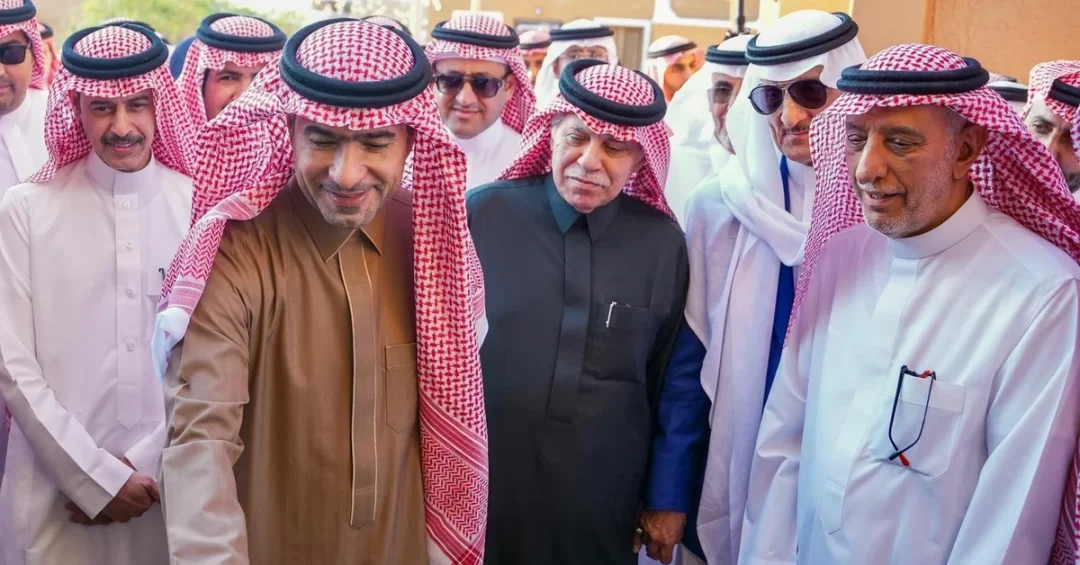
Al-Qasab, Saudi Arabia — The fourth edition of the Al-Qasab Salt Season officially opened yesterday at the heritage village in Al-Qasab town, under the patronage of Minister of Municipalities and Housing Majed Al-Hogail and in the presence of Minister of Commerce Majid Al-Kassabi. The event, announced by the Saudi Press Agency, runs until November 28, 2026, and celebrates the region’s centuries-old salt extraction heritage. The opening ceremony drew officials, local residents, and visitors eager to experience a recreated slice of life from the late 13th century AH. The season highlights the traditional craft of salt production, passed down through generations for more than three centuries, and offers a vibrant program of cultural and family activities. This annual event underscores Saudi Arabia’s commitment to preserving its intangible cultural heritage while promoting domestic tourism and economic diversification, key pillars of Vision 2030. As the Kingdom continues to open its cultural treasures to the world, the Al-Qasab Salt Season stands as a shining example of how history and modernity can coexist and thrive.
The Al-Qasab Salt Season is not merely a festival; it is a living museum that transports visitors back in time. The heritage village, with its traditional houses, palaces, and museums, provides an immersive experience of how salt was extracted, purified, and traded. The event also features a cultural theater, a salt-themed rest area, an Al-Qasab arts zone, and a children’s corner, ensuring that visitors of all ages find something to enjoy. By patronizing this event, Minister Al-Hogail and Minister Al-Kassabi signal the government’s strong support for heritage preservation and local economic development. The season aligns with the Ministry of Municipalities and Housing’s efforts to revitalize historical towns and integrate them into the national tourism landscape. It also reflects the Ministry of Commerce’s role in promoting traditional industries and small businesses. As Saudi Arabia positions itself as a global tourism destination, events like this showcase the Kingdom’s rich cultural tapestry and its ability to offer authentic, meaningful experiences to travelers from around the world.
Context and Background
What makes Al-Qasab’s salt heritage so unique in the broader tapestry of Saudi culture? Al-Qasab, a town in the Qassim region, has been renowned for its salt production for over three centuries. The craft, passed down through generations, involves manual extraction from pits locally known as “Jifar Al-Milh.” These pits are not just sources of salt; they are repositories of collective memory and identity. The Al-Qasab Salt Season was first launched to celebrate this heritage and to educate new generations about the ingenuity and resilience of their ancestors. The event has grown in scope and popularity each year, attracting thousands of visitors from within the Kingdom and beyond. The fourth edition, running until November 28, 2026, builds on this legacy, offering an expanded program that includes a model saltworks, guided tours of palaces and museums, and a visit to the Heritage Commission’s visitor center. The season recreates aspects of life in Al-Qasab during the late 13th century AH, providing a vivid window into the past. It is a testament to the Kingdom’s dedication to safeguarding its cultural heritage as part of its national identity.
The historical significance of salt in Al-Qasab extends beyond its culinary uses. Salt was a vital commodity for preserving food, a medium of trade, and even a form of currency in some ancient societies. The people of Al-Qasab developed sophisticated techniques to extract salt from the earth, turning an arid landscape into a productive hub. These techniques were passed down orally and through practice, creating a rich body of traditional knowledge. Today, this knowledge is at risk of fading as modern conveniences replace traditional methods. The Al-Qasab Salt Season plays a crucial role in keeping these traditions alive. By showcasing the stages of salt production—from extraction to purification, packaging, domestic marketing, and export—the event educates visitors and inspires pride in local heritage. It also provides an economic lifeline for local artisans and craftspeople who participate in the season, selling salt-based products and other traditional goods. In this way, the event bridges the gap between heritage conservation and sustainable development.
The patronage of Minister Majed Al-Hogail and the presence of Minister Majid Al-Kassabi underscore the government’s recognition of the event’s importance. The Ministry of Municipalities and Housing has been actively working to develop heritage villages and integrate them into the national urban fabric. The Ministry of Commerce, on the other hand, supports the commercialization of traditional products and the growth of small and medium enterprises. Their combined presence at the opening ceremony sends a powerful message: heritage is not a relic of the past but a living, breathing part of Saudi Arabia’s present and future. It also highlights the collaborative approach of the Saudi government in achieving Vision 2030 goals, where multiple ministries work together to promote cultural tourism, economic diversification, and community development. The Al-Qasab Salt Season is thus a microcosm of the Kingdom’s broader strategy to leverage its cultural assets for social and economic progress.
Key Details of the Season
What can visitors expect when they step into the Al-Qasab heritage village during this year’s season? The event offers a diverse array of attractions designed to engage, educate, and entertain. At the heart of the season is the model saltworks, where visitors can observe the entire process of salt production. Expert craftsmen demonstrate how salt is extracted manually from the “Jifar Al-Milh” pits, then purified, packaged, and prepared for market. This hands-on display is both educational and mesmerizing, offering a rare glimpse into a labor-intensive craft that has survived for centuries. Beyond the saltworks, visitors can tour several historic palaces and museums that have been restored to their former glory. These buildings house artifacts, photographs, and interactive exhibits that tell the story of Al-Qasab and its people. The Heritage Commission’s visitor center provides additional context, with multimedia presentations and guided tours that delve deeper into the region’s history and archaeology.
The season also features a cultural theater that hosts daily performances of traditional music, dance, and storytelling. These performances celebrate the intangible heritage of the Qassim region, from folk songs to oral poetry. A salt-themed rest area offers a unique place to relax, with seating designed to resemble traditional salt pans and décor inspired by the salt trade. The Al-Qasab arts zone showcases the work of local artists and artisans, including painters, potters, and textile weavers. Here, visitors can purchase handmade souvenirs, from salt crystals to woven baskets, directly supporting the local economy. For families, the children’s corner provides a safe and fun environment with games, crafts, and educational activities focused on salt and heritage. Traditional houses throughout the village are open for exploration, allowing visitors to experience firsthand how families lived in the past. Each house is furnished with period-appropriate items, from cooking utensils to sleeping mats, creating an authentic atmosphere.
The event runs until November 28, 2026, giving visitors ample time to plan their trip. It is open to the public, with tickets available at the entrance. The organizers have ensured that the site is accessible to people with disabilities, with paved pathways and ramps. Ample parking is available nearby, and shuttle services operate from the town center. Food stalls offer a variety of local delicacies, including dishes that use Al-Qasab salt as a key ingredient. The season is expected to attract a large number of visitors, both from within Saudi Arabia and from abroad. For international tourists, it is an opportunity to experience authentic Saudi hospitality and learn about a lesser-known aspect of the Kingdom’s heritage. For Saudis, it is a chance to reconnect with their roots and take pride in their ancestors’ achievements. The event is a perfect blend of education, entertainment, and cultural immersion.
International and Regional Impact
How does an event like the Al-Qasab Salt Season resonate beyond Saudi borders? In an era of globalization, cultural heritage events are powerful tools for diplomacy and international engagement. The Al-Qasab Salt Season invites the world to discover a unique aspect of Saudi culture, fostering mutual understanding and respect. It also positions Saudi Arabia as a destination for cultural tourism, which is a growing segment of the global travel market. According to the United Nations World Tourism Organization, cultural tourism accounts for nearly 40% of global tourism arrivals. By investing in heritage events, Saudi Arabia is tapping into this lucrative market and diversifying its tourism offerings beyond religious and leisure travel. The season also serves as a platform for regional cooperation, as it attracts visitors from neighboring Gulf countries who share similar heritage traditions. It strengthens cultural ties within the Gulf Cooperation Council and promotes a sense of shared identity.
On a regional level, the Al-Qasab Salt Season contributes to the broader narrative of Saudi Arabia as a hub of culture and history. It complements other heritage festivals across the Kingdom, such as the Janadriyah Festival in Riyadh and the Al-Ula Season, creating a rich calendar of cultural events that draw tourists year-round. This aligns with the National Tourism Strategy, which aims to increase the tourism sector’s contribution to GDP from 3% to 10% by 2030. The event also supports the goals of the Quality of Life Program, one of Vision 2030’s realization programs, by enhancing community engagement and promoting cultural activities. Furthermore, it showcases the Kingdom’s commitment to preserving its heritage, which is a key component of its soft power. By sharing its cultural treasures with the world, Saudi Arabia builds goodwill and strengthens its international image as a modern, open, and culturally rich nation. The Al-Qasab Salt Season is thus more than a local festival; it is a strategic asset in the Kingdom’s cultural diplomacy toolkit.
Economic and Strategic Significance
What economic benefits does the Al-Qasab Salt Season bring to the local community and the nation? The event generates direct economic activity through ticket sales, food and beverage vendors, handicraft sales, and transportation services. It also creates temporary jobs for local residents, from tour guides to security personnel. In the long term, it stimulates investment in heritage tourism infrastructure, such as hotels, restaurants, and museums. The Ministry of Municipalities and Housing has been upgrading roads and utilities in Al-Qasab to accommodate visitors, which benefits residents as well. The Ministry of Commerce supports local entrepreneurs by providing training and microfinance opportunities, enabling them to start businesses related to the season. This holistic approach ensures that the economic benefits are spread across the community, not just concentrated in a few hands. The season also promotes the Al-Qasab salt brand, which can be marketed nationally and internationally as a premium artisanal product. This could lead to increased exports and the creation of a niche market for traditional Saudi salt.
Strategically, the Al-Qasab Salt Season aligns with several Vision 2030 objectives. It contributes to economic diversification by boosting tourism and supporting small businesses. It enhances the Kingdom’s image as a culturally vibrant destination, which attracts foreign investment and talent. It also fosters national pride and social cohesion by celebrating a shared heritage. The event is a clear example of how Saudi Arabia is leveraging its unique cultural assets to drive sustainable development. Moreover, it demonstrates the government’s commitment to rural development, as Al-Qasab is a small town that benefits from the influx of visitors and investment. By empowering local communities and preserving their heritage, the Kingdom is building a more inclusive and resilient economy. The Al-Qasab Salt Season is thus a model for other heritage-based initiatives across Saudi Arabia and the wider region. It shows that tradition and progress can go hand in hand, and that the past can be a springboard for a prosperous future.
Vision 2030 Alignment
How does the Al-Qasab Salt Season exemplify the spirit of Vision 2030? Vision 2030 is not just about economic growth; it is about creating a vibrant society, a thriving economy, and an ambitious nation. The season embodies all three pillars. It creates a vibrant society by offering cultural and recreational activities that strengthen community bonds and improve quality of life. It supports a thriving economy by attracting tourists, creating jobs, and supporting local businesses. And it reflects an ambitious nation by preserving and promoting Saudi heritage on the world stage. The event also highlights the role of women and youth, who are actively involved as organizers, artisans, and performers. This inclusivity is a core principle of Vision 2030. By patronizing the season, Minister Al-Hogail and Minister Al-Kassabi are demonstrating the government’s unwavering support for these goals. The Al-Qasab Salt Season is a small but significant piece of the larger Vision 2030 puzzle, showing how every region and every tradition can contribute to the Kingdom’s transformation.
Looking ahead, the Al-Qasab Salt Season is poised to grow even further. The organizers plan to expand the event in future editions, adding more interactive exhibits, international partnerships, and educational programs. They also aim to make Al-Qasab a year-round destination by developing a permanent heritage center and salt museum. These plans are in line with the National Tourism Strategy and the Ministry of Culture’s efforts to promote cultural tourism. As Saudi Arabia continues to open up to the world, events like this will play a crucial role in shaping its global image. They offer a counter-narrative to stereotypes and showcase the Kingdom’s rich history, warm hospitality, and forward-looking vision. The Al-Qasab Salt Season is a celebration of the past, but it is also a beacon for the future—a future where Saudi Arabia stands tall as a guardian of heritage and a leader in sustainable development. For visitors, it is an unforgettable journey through time. For Saudis, it is a source of pride and a promise of even greater achievements to come.
20 Questions
Q1. What is the Al-Qasab Salt Season?
A1. The Al-Qasab Salt Season is an annual cultural festival held in Al-Qasab town, Saudi Arabia, celebrating the region’s traditional salt extraction heritage. It features a model saltworks, heritage tours, and family activities, running until November 28, 2026.
Q2. Who patronized the fourth edition of the Al-Qasab Salt Season?
A2. The fourth edition was patronized by Minister of Municipalities and Housing Majed Al-Hogail, with the presence of Minister of Commerce Majid Al-Kassabi. Their attendance underscores government support for heritage preservation and local economic development.
Q3. Where is Al-Qasab located?
A3. Al-Qasab is a town in the Qassim region of Saudi Arabia. It is renowned for its centuries-old salt production, which has been a cornerstone of its local identity and economy for over three centuries.
Q4. What is the significance of the “Jifar Al-Milh” pits?
A4. “Jifar Al-Milh” are traditional pits from which salt is manually extracted. They are central to Al-Qasab’s salt heritage and symbolize the ingenuity and hard work of generations of local craftsmen.
Q5. How long has salt extraction been practiced in Al-Qasab?
A5. Salt extraction has been practiced in Al-Qasab for more than three centuries. The craft has been passed down through generations, preserving traditional knowledge and techniques that are now showcased during the season.
Q6. What can visitors see at the model saltworks?
A6. At the model saltworks, visitors can explore the stages of salt production, from manual extraction from the “Jifar Al-Milh” pits to purification, packaging, domestic marketing, and export. It is an educational and immersive experience.
Q7. Are there any museums or palaces to visit during the season?
A7. Yes, visitors can tour several palaces and museums in the heritage village, as well as the Heritage Commission’s visitor center. These sites house artifacts and exhibits that tell the story of Al-Qasab and its people.
Q8. What activities are available for children?
A8. The season features a children’s corner with games, crafts, and educational activities focused on salt and heritage. It provides a safe and fun environment for young visitors to learn and play.
Q9. Is there a cultural theater at the event?
A9. Yes, the season includes a cultural theater that hosts daily performances of traditional music, dance, and storytelling. These performances celebrate the intangible heritage of the Qassim region.
Q10. What is the Al-Qasab arts zone?
A10. The Al-Qasab arts zone showcases the work of local artists and artisans, including painters, potters, and textile weavers. Visitors can purchase handmade souvenirs, supporting the local economy.
Q11. How does the event support the local economy?
A11. The event generates economic activity through ticket sales, food and beverage vendors, handicraft sales, and transportation services. It also creates temporary jobs and stimulates investment in heritage tourism infrastructure.
Q12. What is the role of the Ministry of Municipalities and Housing in the event?
A12. The Ministry of Municipalities and Housing supports the event by developing heritage villages, upgrading infrastructure, and integrating historical towns into the national tourism landscape. The Minister’s patronage highlights this commitment.
Q13. How does the Ministry of Commerce contribute?
A13. The Ministry of Commerce supports the commercialization of traditional products, provides training and microfinance for local entrepreneurs, and promotes small and medium enterprises. The Minister’s presence underscores this support.
Q14. What is the Heritage Commission’s visitor center?
A14. The Heritage Commission’s visitor center provides multimedia presentations and guided tours that delve deeper into the region’s history and archaeology. It enhances the educational value of the season.
Q15. How does the event align with Vision 2030?
A15. The event aligns with Vision 2030 by promoting cultural tourism, economic diversification, and community development. It supports the Quality of Life Program and the National Tourism Strategy, enhancing Saudi Arabia’s global image.
Q16. What are the dates of the fourth edition?
A16. The fourth edition of the Al-Qasab Salt Season runs from November 20 to November 28, 2026. It is open to the public, with tickets available at the entrance.
Q17. Is the event accessible to people with disabilities?
A17. Yes, the organizers have ensured that the site is accessible to people with disabilities, with paved pathways and ramps. Ample parking and shuttle services are also available.
Q18. What food is available at the event?
A18. Food stalls offer a variety of local delicacies, including dishes that use Al-Qasab salt as a key ingredient. Visitors can enjoy authentic Qassim cuisine while exploring the heritage village.
Q19. How does the event promote Saudi culture internationally?
A19. The event invites the world to discover a unique aspect of Saudi culture, fostering mutual understanding and positioning Saudi Arabia as a destination for cultural tourism. It strengthens cultural ties and showcases the Kingdom’s rich heritage.
Q20. What are the future plans for the Al-Qasab Salt Season?
A20. Organizers plan to expand the event with more interactive exhibits, international partnerships, and educational programs. They also aim to develop a permanent heritage center and salt museum to make Al-Qasab a year-round destination.
Reader Feedback
We value your thoughts. Please share your feedback on this article.
Your feedback helps us improve our coverage.
Related articles
 Red Sea Museum: A Cultural Bridge in Historic Jeddah
 National Museum Launches Interactive Autumn Break Program
 King Faisal Center Launches Arabic Philosophy Program
 Saudi Film Nights Continues Tour in Brazil with 4 Films
 Jeddah Municipality Signs Deal to Highlight City’s Artistic Identity
 Makkah’s Public Squares Blend Art with Historic Character