


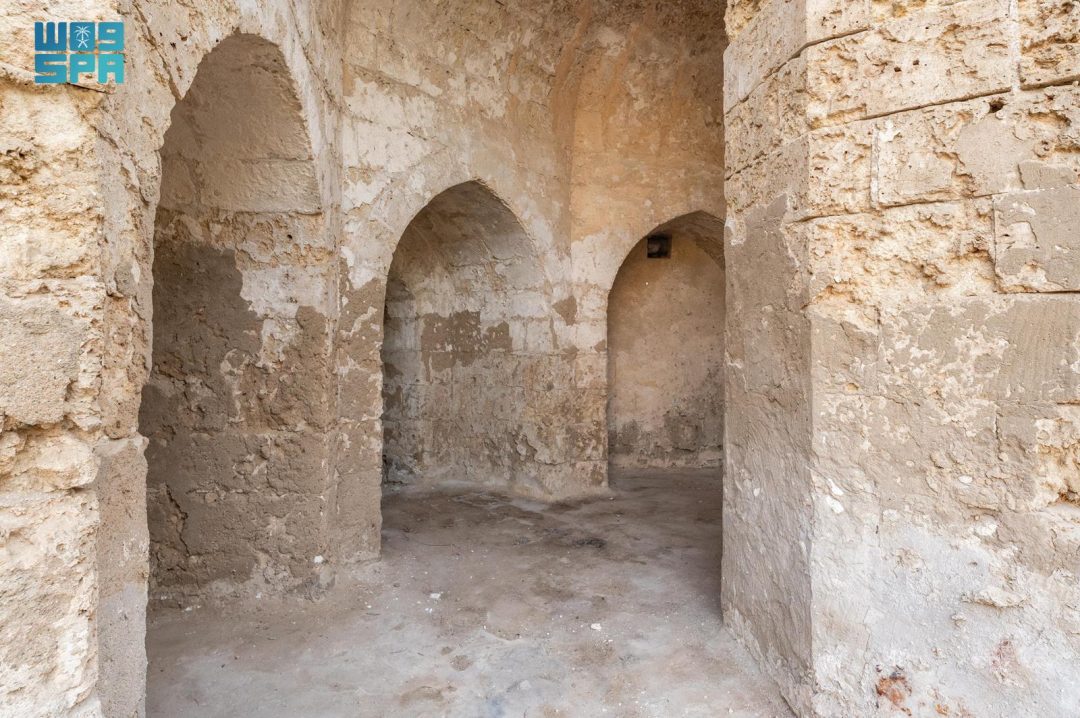
Al-Shona, an archaeological site in the heart of historic Jeddah, is drawing heritage enthusiasts this Ramadan 2025 with a history that stretches from the late 15th century to the 20th century, according to the Saudi Press Agency. The site sits within Al-Balad, the historic district that the Nassif House Museum invites visitors to explore through a journey showcasing archaeological findings from various locations.
SPA reported that the Nassif House Museum is inviting visitors to Historic Jeddah to experience what it described as an exceptional journey this Ramadan, with Al-Shona standing out among the sites featured. The museum presents archaeological findings from multiple sites, and Al-Shona ranks among the most prominent heritage landmarks in the district, attracting those with an interest in the past.
What makes a site that has already survived more than five centuries continue to pull in visitors during a month of fasting, prayer, and family gatherings? The answer may lie in how Al-Shona has changed across eras while remaining rooted in the same patch of Al-Balad.
According to information provided by the Jeddah Historic District Program under the Ministry of Culture and shared by tour guides at the museum, Al-Shona served as a warehouse for merchants throughout much of the 20th century. In that role, it stored imported goods from around the world, making it a commercial artery for a port city that has long connected the Red Sea to markets near and far.
The site’s earlier chapter tells a different story. In the 19th century, Al-Shona was smaller and featured several interconnected buildings in the northern half of the current Al-Shona area. It operated as a government warehouse where grains, timber, ammunition, and various materials were stored. That mix of everyday staples and military supplies suggests a facility that served both the market and the state.
Can a single compound of buildings really carry so many layers of a city’s life? In Al-Shona’s case, the record suggests it did, shifting in size and function over the centuries in ways that gave it what SPA described as a unique historical value worthy of exploration.
Visitors now enter Al-Shona through entrances on Qabel and Gold streets. Those two access points open the site to foot traffic in Al-Balad, offering what SPA called a rich cultural experience that evokes the essence of the past and narrates the successive transformations the district has witnessed.
The site continues to serve as a vibrant cultural and historical hub that attracts visitors during Ramadan, SPA reported. That role feeds into Jeddah’s status as a leading tourist and cultural destination, according to the same account.
Why does Ramadan in particular bring heritage sites like Al-Shona to the foreground? The month’s rhythms — evening gatherings, family outings, and a renewed interest in shared history — may turn a walk through old Jeddah into something more than sightseeing.
Al-Balad itself is the setting for this attention. The Nassif House Museum’s invitation places Al-Shona within a broader visitor experience in Historic Jeddah, where archaeological findings from various sites are on display. The museum and the site work together to tell a story that spans centuries.
The Jeddah Historic District Program under the Ministry of Culture is the source of the information about Al-Shona’s warehouse functions, as shared by tour guides at the museum. That detail matters because it ties the physical site to the economic life of the district, from imported goods in the 20th century to grains, timber, and ammunition in the 19th.
What did a merchant in old Jeddah see when goods arrived at Al-Shona? The site’s role as a storehouse for imports from around the world suggests a place where the city’s commercial reach was made tangible, stacked in rooms and counted by hand.
The transformations in size and function over the centuries are central to how SPA framed the site. Al-Shona was not a single-purpose building frozen in time; it changed as Al-Balad changed, and those changes are part of what visitors are invited to explore today.
For heritage enthusiasts, the appeal is clear. Al-Shona reflects the authenticity and deep-rooted traditions of Al-Balad’s past, according to SPA, and it stands out as one of the most prominent heritage landmarks in the area.
How does a warehouse become a heritage landmark? In Al-Shona’s case, the answer seems to be time, use, and the layers of history that accumulated in the same location, from the late 15th century through the 20th.
The Ramadan 2025 invitation from the Nassif House Museum positions Al-Shona as part of a wider cultural itinerary in Historic Jeddah. Visitors can enter from Qabel and Gold streets and move through a site that SPA says narrates the successive transformations of Al-Balad.
What will a visitor take away from a walk through Al-Shona during Ramadan? Perhaps a sense of how trade, government storage, and urban life intersected in a district that remains a focal point for Jeddah’s cultural identity.
The site’s history spans from the late 15th century to the 20th century, a range that covers the era of the interconnected northern buildings and the later period as a merchant warehouse for imported goods. That breadth is part of what gives Al-Shona its historical value.
SPA’s account does not specify visitor numbers, opening hours, ticket details, or a full schedule of Ramadan programming at Al-Shona. It also does not list the individual archaeological findings on display at the Nassif House Museum beyond noting that they come from various sites. Those details were not included in the source material.
What is clear from the source is the site’s location in the heart of historic Jeddah, its entrances on Qabel and Gold streets, and its continued role as a cultural and historical hub during Ramadan. The Jeddah Historic District Program under the Ministry of Culture provided the information about its warehouse functions, and tour guides at the museum share that context with visitors.
Al-Shona’s story is one of adaptation. From a smaller 19th-century compound of interconnected buildings in the northern half of the current area to a 20th-century merchant warehouse for goods from around the world, the site has worn different hats while remaining in place.
Why does that continuity matter for Al-Balad today? Because it links the district’s present-day role as a destination for heritage enthusiasts to a past in which the same streets handled grains, timber, ammunition, and imported merchandise.
The Nassif House Museum’s Ramadan invitation places Al-Shona alongside other archaeological findings from various sites, creating a journey through Historic Jeddah. The site itself, with its two street entrances, offers a cultural experience that SPA says evokes the essence of the past.
As Ramadan 2025 unfolds, Al-Shona continues to attract visitors, reinforcing Jeddah’s status as a leading tourist and cultural destination, according to SPA. The site’s prominence among heritage landmarks in Al-Balad is tied to its long history and its many transformations.
What more might visitors learn from the tour guides at the museum? The guides share information from the Jeddah Historic District Program under the Ministry of Culture, including the details of Al-Shona’s use as a warehouse in the 19th and 20th centuries.
The source material leaves open questions about the site’s day-to-day operations during Ramadan, but it is explicit about the invitation from the Nassif House Museum and the historical facts surrounding Al-Shona. Those facts include the late 15th-century starting point, the 19th-century configuration, the 20th-century merchant warehouse role, and the entrances on Qabel and Gold streets.
For anyone planning a visit to Historic Jeddah this Ramadan, Al-Shona stands as one of the sites highlighted by the museum’s invitation. Its history, as described by SPA, offers a window into the commercial and governmental life of Al-Balad across centuries.
Can a heritage site be both a relic and a living hub? Al-Shona’s continued draw during Ramadan suggests it can, serving as a place where the past is explored and the present-day cultural life of Jeddah is on display.
The Jeddah Historic District Program under the Ministry of Culture is credited with the information about Al-Shona’s warehouse functions, and the Nassif House Museum is the venue extending the invitation to visitors. Together, they frame Al-Shona as part of a broader archaeological and cultural experience in Al-Balad.
SPA’s report does not include quotes from officials, specific dates for Ramadan events, or details about any restoration work at the site. It focuses on the historical arc and the current invitation to visitors.
What remains constant is the site’s location in the heart of historic Jeddah and its identity as a landmark that reflects the authenticity and deep-rooted traditions of Al-Balad’s past. That identity, according to SPA, is what makes Al-Shona worthy of exploration this Ramadan and beyond.
Where is Al-Shona located and how do visitors enter the site? Al-Shona is located in the heart of historic Jeddah, within Al-Balad, according to the Saudi Press Agency. Visitors enter through entrances on Qabel and Gold streets, which open the site to foot traffic in the district. The Nassif House Museum invites visitors to Historic Jeddah to experience the site this Ramadan 2025. SPA describes Al-Shona as one of the most prominent heritage landmarks in the area, attracting heritage enthusiasts. The site’s location and its two street entrances are among the details provided in the source material about how the public can access it.
What was Al-Shona used for in the 19th and 20th centuries? In the 19th century, Al-Shona was smaller and featured several interconnected buildings in the northern half of the current area, operating as a government warehouse where grains, timber, ammunition, and various materials were stored. Throughout much of the 20th century, it served as a warehouse for merchants, storing imported goods from around the world. That information comes from the Jeddah Historic District Program under the Ministry of Culture and was shared by tour guides at the museum. The two eras show different functions across the site’s long history.
What is the historical span of Al-Shona and why is it considered valuable? Al-Shona’s history spans from the late 15th century to the 20th century, according to SPA. Over the centuries, the site underwent transformations in size and function, which SPA says endowed it with a unique historical value worthy of exploration. It reflects the authenticity and deep-rooted traditions of Al-Balad’s past. The site stands out as one of the most prominent heritage landmarks in historic Jeddah, attracting heritage enthusiasts. Its long arc, from a smaller 19th-century compound to a 20th-century merchant warehouse, is central to how the source describes its significance.
How does the Nassif House Museum connect to Al-Shona during Ramadan 2025? The Nassif House Museum invites visitors to Historic Jeddah to experience an exceptional journey this Ramadan 2025, showcasing archaeological findings from various sites, including Al-Shona. Tour guides at the museum share information provided by the Jeddah Historic District Program under the Ministry of Culture. Al-Shona continues to serve as a vibrant cultural and historical hub that attracts visitors during Ramadan, according to SPA. The museum’s invitation places the site within a broader visitor experience in Al-Balad, enhancing Jeddah’s status as a leading tourist and cultural destination.
What does the source not specify about visiting Al-Shona this Ramadan? The source does not specify visitor numbers, opening hours, ticket details, or a full schedule of Ramadan programming at Al-Shona. It also does not list the individual archaeological findings on display at the Nassif House Museum beyond noting that they come from various sites. SPA’s account focuses on the site’s history, its warehouse functions in the 19th and 20th centuries, and the invitation from the museum. Those operational details were not included in the material provided, so readers should look elsewhere for practical visit information.