


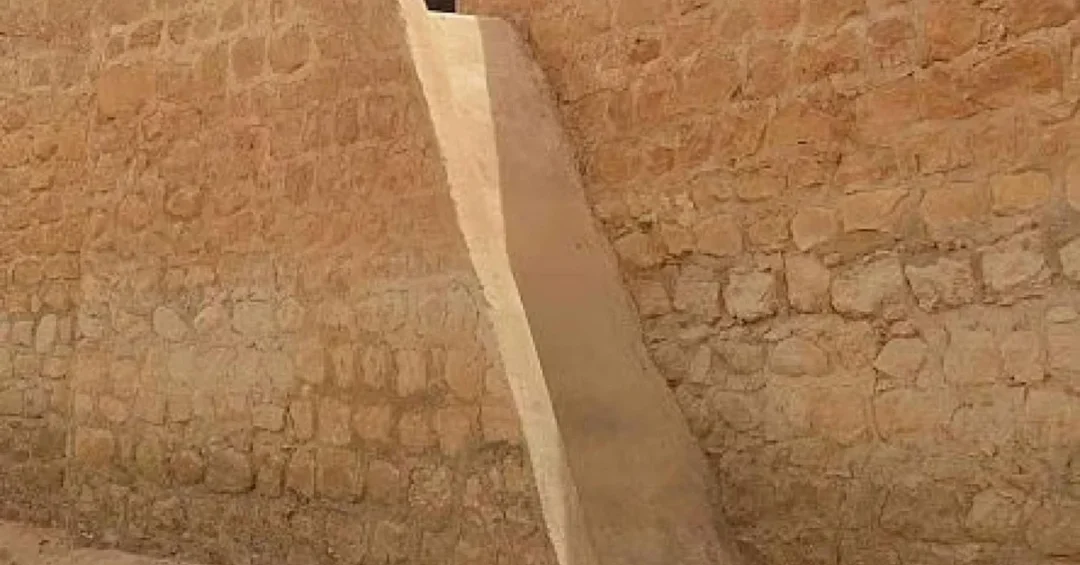
The ancient Hajj route known as Darb Zubayda, which historically connected the Arabian Peninsula with Iraq, served as a vital corridor for Arab tribes, with its first documented reference dating back to the third century BC, according to Professor Mona Abdul Karim Al-Qaisi of the University of Kufa’s Faculty of Archeology. In an interview with the Saudi Press Agency (SPA), Al-Qaisi highlighted the historical significance of this route, which facilitated the movement of peoples and goods between the two regions for centuries.
Context and Background
Darb Zubayda, also called the Zubayda Overland Route, was a major pilgrimage and trade route that linked Kufa in Iraq to Makkah in the Arabian Peninsula. Its origins trace back to ancient times, with the first mention in the third century BC when Akkadian peoples from the Arabian Peninsula traveled through it to reach southern Iraq, particularly the outskirts of the city of Warka. The route was active throughout history, dotted with points and commercial centers that connected the north of the Arabian Peninsula and the south of Iraq. Over time, it was known by different names, including Al-Muthaqqaf during the Achaemenid Empire and later Al-Hira Road, which ran along the Euphrates River and connected to the Silk Road.
Historical Significance and Key Details
According to Professor Al-Qaisi, the route played a crucial role in facilitating trade and cultural exchange. During the Islamic era, Darb Zubayda became a well-defined pilgrimage route from Kufa to Makkah, and it was named after Zubayda, the wife of Caliph Harun al-Rashid, who contributed to its development. The road extended along the Euphrates, linking to the Silk Road that came from the Arabian Gulf and headed to Nasiriyah, Dumat Al-Jandal, and ascended to Seleucia (Ctesiphon), then to the ancient city of Hatra, and from there to Wadi Al-Tharthar, Sinjar, and Anatolia. Al-Qaisi emphasized the importance of archaeological excavations to uncover the road’s lines from prehistoric times, noting that excavations between Samawah and Diwaniyah have yielded significant discoveries, including evidence of pre-Islamic Arabs and the routes used by ancient peoples entering the countries of Sumer and Akkad.
Implications and Impact
The recognition of Darb Zubayda’s historical role underscores the deep-rooted connections between the Arabian Peninsula and Iraq. It highlights the shared heritage and continuous interaction among Arab tribes and ancient civilizations. This route not only facilitated trade and pilgrimage but also served as a conduit for cultural and intellectual exchange, contributing to the rich tapestry of the region’s history. The ongoing archaeological work on this route provides valuable insights into the movement of peoples and the development of early Islamic and pre-Islamic societies. For Saudi Arabia, understanding and preserving such historical routes aligns with its efforts to promote cultural heritage and deepen regional ties.
Vision 2030 Alignment
Saudi Arabia’s Vision 2030 places a strong emphasis on preserving and promoting the Kingdom’s rich cultural and historical heritage. The study and documentation of ancient routes like Darb Zubayda contribute to this goal by showcasing the region’s historical significance and fostering a deeper understanding of its past. By highlighting such heritage, Saudi Arabia aims to attract cultural tourism and strengthen its position as a custodian of Islamic and Arab history. This aligns with the Vision’s objectives of diversifying the economy and enhancing cultural exchange, ultimately reinforcing the Kingdom’s role as a bridge between civilizations.
20 Questions
Q1. What is Darb Zubayda?
A1. Darb Zubayda, also known as the Zubayda Overland Route, is an ancient Hajj and trade route that connected the Arabian Peninsula and Iraq, facilitating movement of peoples and goods for centuries.
Q2. When was the first reference to Darb Zubayda made?
A2. The first reference to the route dates back to the third century BC, according to Professor Mona Abdul Karim Al-Qaisi of the University of Kufa.
Q3. Who is Professor Mona Abdul Karim Al-Qaisi?
A3. She is a professor of ancient antiquities at the Faculty of Archeology at the University of Kufa in Iraq, specializing in the history of ancient routes and civilizations.
Q4. Which peoples used this route in ancient times?
A4. Akkadian peoples from the Arabian Peninsula used the route to reach southern Iraq, particularly the outskirts of Warka city, as early as the third century BC.
Q5. What was the route called during the Achaemenid Empire?
A5. During the Achaemenid Empire, the route was called Al-Muthaqqaf, reflecting its continued importance as a corridor for trade and communication.
Q6. What was Al-Hira Road?
A6. Al-Hira Road was another name for the route that extended along the Euphrates River, connecting to the Silk Road and various ancient cities like Hatra and Seleucia.
Q7. How did Darb Zubayda connect to the Silk Road?
A7. It linked to the Silk Road via the Arabian Gulf, heading to Nasiriyah, Dumat Al-Jandal, and then to Seleucia, Hatra, and beyond to Anatolia.
Q8. What was the route’s significance during the Islamic era?
A8. During the Islamic era, it became a major pilgrimage route from Kufa to Makkah, named after Zubayda, wife of Caliph Harun al-Rashid, who improved it.
Q9. Why is archaeological excavation important on this route?
A9. Excavations help uncover the road’s lines from prehistoric times and reveal evidence of ancient peoples and pre-Islamic Arabs who used the route.
Q10. What discoveries have been made between Samawah and Diwaniyah?
A10. Excavations there have revealed significant findings, including traces of pre-Islamic Arabs and routes that explain the entry of ancient peoples into Sumer and Akkad.
Q11. How did the route facilitate trade?
A11. The route was marked with commercial centers and points that enabled the exchange of goods between the north of the Arabian Peninsula and southern Iraq.
Q12. What role did the route play in cultural exchange?
A12. It served as a conduit for cultural and intellectual exchange, connecting diverse peoples and contributing to the rich heritage of the region.
Q13. Who was Zubayda?
A13. Zubayda was the wife of Caliph Harun al-Rashid, and the route was named after her due to her contributions to its development and maintenance.
Q14. What other ancient cities were connected to this route?
A14. The route connected to cities such as Seleucia (Ctesiphon), Hatra, and extended to Wadi Al-Tharthar, Sinjar, and Anatolia.
Q15. How does this route highlight Saudi-Iraqi historical ties?
A15. It demonstrates the deep-rooted connections and continuous interaction between the Arabian Peninsula and Iraq, fostering a shared heritage.
Q16. What is the significance of Darb Zubayda for Saudi Arabia today?
A16. It is a part of Saudi Arabia’s rich cultural heritage, and its study aligns with Vision 2030’s goal to preserve and promote historical sites.
Q17. How does Vision 2030 support heritage preservation?
A17. Vision 2030 emphasizes cultural heritage through initiatives that document and protect historical routes, aiming to boost cultural tourism and economic diversification.
Q18. What can be learned from further excavations?
A18. Further excavations can reveal more about prehistoric times, ancient trade networks, and the movement of peoples, enhancing our understanding of early civilizations.
Q19. How does this route contribute to cultural tourism?
A19. By showcasing the historical significance of Darb Zubayda, Saudi Arabia can attract tourists interested in exploring ancient routes and Islamic history.
Q20. What is the future of research on Darb Zubayda?
A20. Ongoing archaeological work and studies will continue to uncover the route’s history, strengthening regional ties and preserving heritage for future generations.
Reader Feedback
We value your thoughts. Please share your feedback on this article.
Your feedback helps us improve our coverage.