


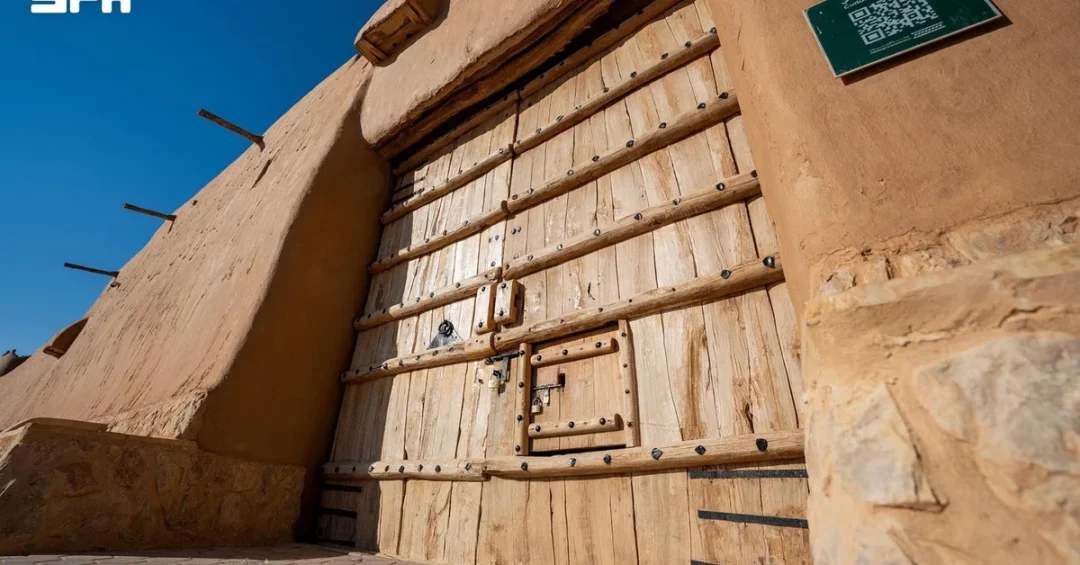
The Northern Borders Region of Saudi Arabia is home to an extensive network of ancient wells, cisterns, and trade routes that offer a remarkable window into the history of caravan commerce and human settlement across northern Arabia, according to a recent announcement by the Saudi Press Agency (SPA). These archaeological landmarks, documented by heritage experts, reveal how early communities thrived in one of the world’s most challenging desert environments.
Context and Background
Spanning vast desert plains and rocky outcrops, the Northern Borders Region has long served as a crossroads for civilizations. Ancient caravan routes connected the Arabian Peninsula with Mesopotamia, the Levant, and beyond, facilitating the exchange of goods, ideas, and cultures. The region’s strategic location made it a vital artery for trade and pilgrimage, and its inhabitants developed ingenious hydraulic systems to support travelers and settlements. The SPA report highlights that wells, cisterns, and architectural remnants across various sites document these ancient movements and settlements, offering a unique perspective on northern Arabia’s historical topography.
Key Details
Abdulrahman Al-Tuwaijri, a member of the Antiquities Association, told the Saudi Press Agency that the region’s historical sites illustrate how early communities adapted to harsh desert terrain by engineering sophisticated hydraulic infrastructure along travel corridors. He identified Darb Zubaydah—the historic Kufa-to-Makkah pilgrimage trail—as the region’s premier archaeological corridor, marked by paved paths, directional milestones, and fortified waystations. Prominent among these hydraulic feats are the Al-Jumaymah and Al-Thulaymah cisterns, which secured reliable water supplies for pilgrims and commercial caravans, supported by surrounding waystations. In settlements like Zubala and Laynah, clustered wells and surviving structures underscore the link between subterranean water tables and regional urban development, showcasing building techniques tailored to the local environment. Al-Tuwaijri emphasized that continuing field research and systematic documentation are vital to preserving the region’s historical memory, enriching academic research, and positioning the Northern Borders Region as an attractive cultural and heritage tourism destination.
Implications and Impact
The preservation and study of these ancient sites carry significant implications for Saudi Arabia and the broader region. By documenting and protecting these heritage assets, the Kingdom not only safeguards its cultural legacy but also creates opportunities for sustainable tourism development. The Northern Borders Region, with its rich archaeological tapestry, could emerge as a key destination for cultural travelers, contributing to economic diversification and job creation. Moreover, these sites offer invaluable insights into historical climate adaptation, water management, and trade networks, which can inform contemporary challenges. The SPA report underscores the importance of ongoing research and documentation, aligning with global heritage preservation efforts and enhancing Saudi Arabia’s standing as a custodian of world history.
Vision 2030 Alignment
This focus on heritage preservation and tourism directly supports Saudi Vision 2030, the Kingdom’s ambitious blueprint for economic diversification and cultural enrichment. By highlighting the Northern Borders Region’s archaeological treasures, Saudi Arabia aims to attract international visitors, boost local economies, and foster a deeper appreciation of its history. The Vision 2030 framework prioritizes the development of cultural and heritage tourism as a pillar of the non-oil economy, and initiatives like the documentation of ancient wells and trade routes exemplify this commitment. As the Kingdom continues to invest in preserving its past, it simultaneously builds a future where heritage and modernity coexist, reinforcing Saudi Arabia’s role as a global leader in cultural diplomacy and sustainable development.
20 Questions
Q1. What is the significance of the Northern Borders Region in Saudi Arabia?
A1. The Northern Borders Region is significant for its extensive network of archaeological landmarks and ancient trade routes, which document historical caravan movements, commerce, and human settlement, offering insights into northern Arabia’s past.
Q2. Who is Abdulrahman Al-Tuwaijri?
A2. Abdulrahman Al-Tuwaijri is a member of the Antiquities Association who provided expert commentary to the Saudi Press Agency about the historical sites in the Northern Borders Region.
Q3. What is Darb Zubaydah?
A3. Darb Zubaydah is a historic pilgrimage trail from Kufa to Makkah, recognized as the premier archaeological corridor in the Northern Borders Region, featuring paved paths, milestones, and fortified waystations.
Q4. What are the Al-Jumaymah and Al-Thulaymah cisterns?
A4. They are ancient cisterns that secured reliable water supplies for pilgrims and commercial caravans along Darb Zubaydah, supported by surrounding waystations.
Q5. Which settlements in the region have clustered wells?
A5. Settlements like Zubala and Laynah feature clustered wells and surviving structures that highlight the connection between subterranean water tables and regional urban development.
Q6. Why are these ancient wells and trade routes important today?
A6. They are important for preserving historical memory, enriching academic research, and positioning the Northern Borders Region as a cultural and heritage tourism destination.
Q7. How did early communities adapt to the desert terrain?
A7. They engineered sophisticated hydraulic infrastructure, such as wells and cisterns, along travel corridors to ensure water availability for travelers and settlers.
Q8. What role did the Northern Borders Region play in ancient trade?
A8. It served as a crossroads for caravan routes connecting the Arabian Peninsula with Mesopotamia and the Levant, facilitating the exchange of goods and ideas.
Q9. What types of archaeological features are found in the region?
A9. The region features wells, cisterns, paved paths, directional milestones, fortified waystations, and architectural remnants of ancient settlements.
Q10. How does this heritage align with Saudi Vision 2030?
A10. It supports Vision 2030 by promoting cultural tourism, economic diversification, and the preservation of national heritage, contributing to the non-oil economy.
Q11. What is the Saudi Press Agency’s role in this report?
A11. The Saudi Press Agency (SPA) is the official state news agency that released the report, providing authoritative information about the archaeological sites.
Q12. Why is systematic documentation of these sites vital?
A12. It helps preserve historical memory, supports academic research, and enhances the region’s appeal as a heritage tourism destination.
Q13. What can these ancient water systems teach modern societies?
A13. They offer lessons in sustainable water management and adaptation to arid environments, which are relevant to contemporary challenges.
Q14. What is the Antiquities Association?
A14. The Antiquities Association is a Saudi organization dedicated to the study and preservation of archaeological heritage, as represented by member Abdulrahman Al-Tuwaijri.
Q15. How might the Northern Borders Region benefit from heritage tourism?
A15. Heritage tourism can boost local economies, create jobs, and attract international visitors, aligning with Saudi Arabia’s economic diversification goals.
Q16. What building techniques were used in ancient settlements like Zubala?
A16. The structures showcase techniques tailored to the local environment, utilizing available materials to withstand desert conditions and support urban development.
Q17. What is the historical significance of the Kufa-to-Makkah route?
A17. It was a major pilgrimage and trade route that facilitated the movement of people and goods, contributing to the cultural and economic exchange across the region.
Q18. How does this discovery impact Saudi Arabia’s global standing?
A18. It reinforces Saudi Arabia’s role as a custodian of world heritage and enhances its cultural diplomacy, attracting global interest in its history.
Q19. What are the next steps for preserving these sites?
A19. Continuing field research, systematic documentation, and protection efforts are essential to preserve the sites and promote them as tourism destinations.
Q20. How can international audiences engage with this heritage?
A20. International audiences can visit the Northern Borders Region to explore its archaeological sites, learn about ancient civilizations, and support preservation efforts through responsible tourism.
Reader Feedback
We value your thoughts. Please share your feedback on this article.
Your feedback helps us improve our coverage.