


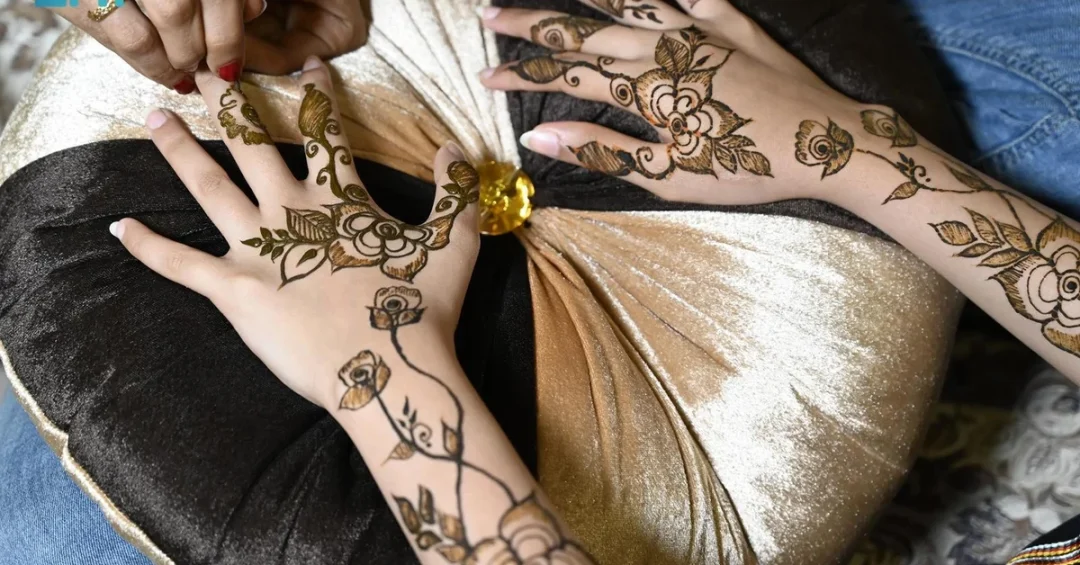
The Jazan region in southwestern Saudi Arabia is renowned for its rich cultural heritage, and among its most cherished traditions is the henna night, a pre-wedding celebration that showcases intricate henna art and community bonding. According to the Saudi Press Agency (SPA), this custom, passed down through generations, brings joy and happiness to weddings and revives ancestral cultural practices.
Context and Background
Jazan, known for its lush landscapes and diverse traditions, holds a special place in Saudi culture. The henna night, or ‘bachelorette party,’ is a vibrant pre-wedding event where the bride’s female relatives and neighbors gather at her home days before the wedding. This tradition is more than a celebration; it is a living testament to the region’s heritage, reflecting the deep-rooted customs that have been preserved over centuries. The SPA report highlights how these practices bestow joy and happiness at weddings while reviving the cultural heritage of ancestors.
The Henna Night Ritual
During the henna night, women come together to apply henna paste in unique artistic patterns. This is not merely a beautification process; it is a popular women’s craft that expresses aesthetic taste and significance. The designs, which adorn the bride’s hands, shoulders, and from her toes to the middle of her legs, symbolize joy and happiness. The bride’s sisters and relatives also participate, receiving henna drawings to celebrate the marriage. The atmosphere is filled with old folk songs and chants, creating a cheerful and festive environment that strengthens family ties and community bonds.
Cultural Significance and Modern Relevance
Henna art in Jazan is a distinctive skill that women treasure, passed down through generations. It represents more than decoration; it is a cultural identifier that connects modern Saudis to their ancestry. In the context of Vision 2030, such traditions play a vital role in preserving Saudi Arabia’s rich cultural heritage while promoting tourism and cultural exchange. The henna night exemplifies how Saudi society balances modernization with the preservation of cherished customs, contributing to the Kingdom’s cultural diversity and global image.
Implications and Impact
The continuation of the henna night tradition underscores the importance of cultural heritage in Saudi Arabia’s social fabric. It fosters community cohesion and empowers women by celebrating their artistic skills and roles in preserving traditions. As Saudi Arabia opens up to the world through Vision 2030 initiatives, such cultural practices attract international interest, enhancing cultural tourism and showcasing the Kingdom’s commitment to maintaining its identity amidst rapid development. The SPA’s coverage of this tradition highlights its role in promoting a positive image of Saudi culture globally.
Vision 2030 Alignment
Vision 2030 emphasizes the preservation of Saudi Arabia’s cultural heritage as a cornerstone of national identity. The henna night in Jazan aligns perfectly with this goal by keeping alive traditional practices that define the Kingdom’s rich history. By celebrating and documenting such customs, Saudi Arabia not only honors its past but also enriches its cultural landscape for future generations, reinforcing the nation’s commitment to cultural sustainability and global cultural exchange.
20 Questions
Q1. What is the henna night tradition in Jazan?
A1. The henna night is a pre-wedding celebration where the bride’s female relatives and neighbors gather to apply henna art on the bride and themselves, accompanied by folk songs and chants. It is a cherished custom that highlights community bonding and cultural heritage.
Q2. Why is henna art significant in Jazan weddings?
A2. Henna art is significant because it expresses joy and happiness, revives inherited customs, and showcases women’s artistic skills. It is a popular women’s craft that symbolizes cultural identity and is treasured as part of wedding celebrations.
Q3. Who participates in the henna night?
A3. The bride’s female relatives, neighbors, and friends participate. They gather at the bride’s house days before the wedding to share in the henna application, creating a festive and supportive atmosphere.
Q4. Where is henna applied on the bride’s body?
A4. Henna is applied on the bride’s hands, shoulders, and from her toes to the middle of her legs. The designs vary in aesthetic forms and are meant to enhance beauty and symbolize celebration.
Q5. What is the cultural importance of the henna night?
A5. It preserves ancestral traditions, strengthens family and community ties, and passes down cultural practices to younger generations. It is a vibrant expression of Jazan’s heritage and identity.
Q6. How does the henna night reflect Saudi culture?
A6. It reflects Saudi culture’s emphasis on community, family, and tradition. The celebration showcases the diversity of regional customs within the Kingdom and contributes to the rich tapestry of Saudi heritage.
Q7. What role do folk songs play in the henna night?
A7. Folk songs and chants create a cheerful atmosphere and are an integral part of the celebration. They add to the festive mood and help transmit cultural stories and emotions across generations.
Q8. Is henna art only for brides?
A8. No, the bride’s sisters and relatives also receive henna drawings. It is a communal activity that involves many women, celebrating the bride’s marriage together.
Q9. How is henna paste made?
A9. Henna paste is made from the powdered leaves of the henna plant, mixed with water or other natural ingredients to form a paste. It is then applied to the skin to create temporary designs.
Q10. How long does the henna art last?
A10. Henna designs typically last for one to three weeks, depending on the quality of the paste and aftercare. The stains deepen in color over the first few days and gradually fade.
Q11. Does the henna night have any religious significance?
A11. While not religious per se, the henna night is a cultural tradition that aligns with Islamic values of modesty and community celebration. It is a social custom passed down through generations.
Q12. How does the henna night contribute to Vision 2030?
A12. It contributes by preserving cultural heritage, which is a key pillar of Vision 2030. Such traditions promote cultural tourism and showcase Saudi Arabia’s rich history to the world.
Q13. Are there different henna styles in Jazan?
A13. Yes, henna designs vary in aesthetic forms, with unique patterns that reflect local artistic taste. The styles can range from simple to intricate, often inspired by nature and geometric shapes.
Q14. What is the economic impact of henna art?
A14. Henna art supports local artisans and small businesses, particularly women who specialize in henna application. It contributes to the local economy and empowers women entrepreneurs.
Q15. Can non-Saudis participate in henna night?
A15. While traditionally a family and community event, cultural exchange initiatives may allow non-Saudis to observe or learn about the tradition, fostering appreciation for Saudi culture.
Q16. How is the henna night celebrated in modern times?
A16. Modern celebrations may incorporate contemporary elements like professional henna artists, photography, and catering, while still preserving the core traditions of henna application and folk songs.
Q17. What are the health benefits of henna?
A17. Natural henna is known for its cooling properties and is used to soothe skin. It is generally safe, but allergic reactions can occur; pure natural henna is recommended.
Q18. How does henna art preserve heritage?
A18. By passing down designs and techniques through generations, henna art keeps ancestral customs alive. It serves as a visual narrative of cultural identity and history.
Q19. What other traditions are associated with Jazan weddings?
A19. Jazan weddings feature various customs, including traditional dances, music, and attire. The henna night is one of the most prominent, but it is part of a broader celebration of heritage.
Q20. How can one learn more about Jazan’s henna traditions?
A20. One can explore cultural festivals, visit Jazan during wedding seasons, or refer to resources from the Saudi Press Agency and cultural organizations that document and promote Saudi heritage.
Reader Feedback
We value your thoughts. Please share your feedback on this article.
Your feedback helps us improve our coverage.
Related articles
 Crown Prince Camel Festival Final Stage Registration Opens Tomorrow
 Saudi Arabia to Host 14th Gulf Theater Festival
 Museums Commission Hosts Perfume Workshop in Riyadh
 Libraries Commission Meeting Tackles Entrepreneurship and Innovation
 Two Falcons Fetch SAR241,000 on Final Auction Night
 International Falcon Breeders Auction Concludes with Record-Breaking Sales