


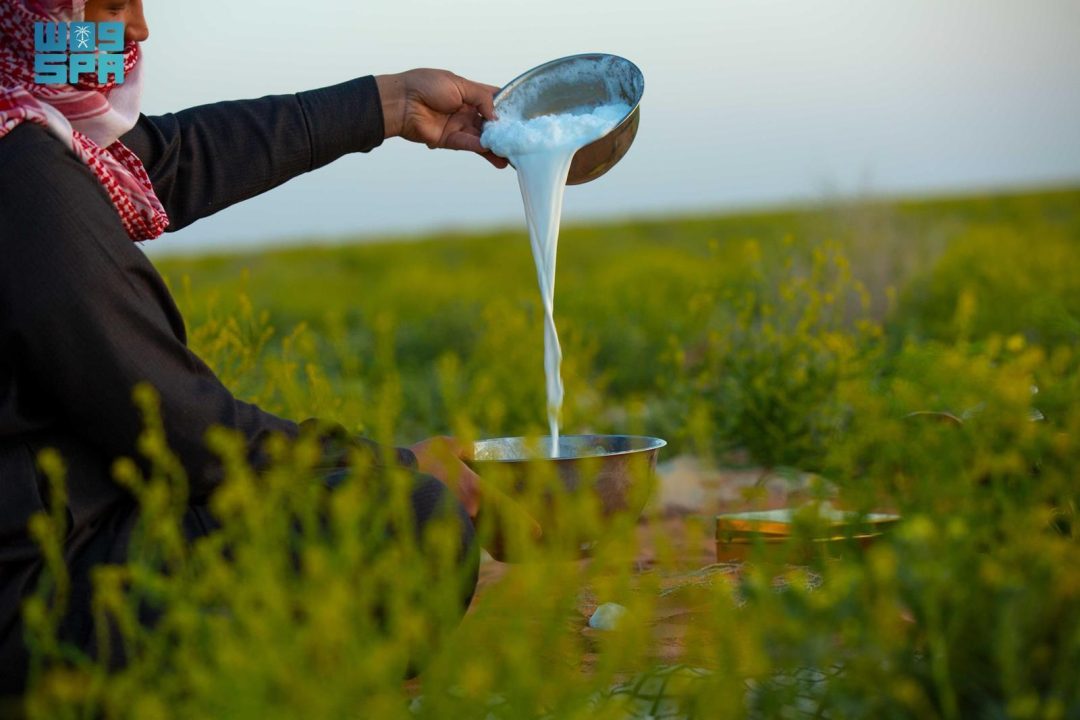
Rafha is the center of a tradition where camel milk serves as an integral part of the culinary heritage of the Kingdom and its vast deserts. This beverage has been cherished by inhabitants since ancient times, serving as a staple food during travels and a constant presence on tables. Could the secrets of ancestral wisdom be found in a single glass of milk? According to SPA, camel milk is especially utilized during Ramadan to provide energy and maintain hydration during long hours of fasting.
The unique composition of camel milk distinguishes it from other options, as it is abundant in minerals including potassium, magnesium, and calcium. It contains a lower fat content when compared to cow’s milk. Why is this specific composition so beneficial for the fasting body? The milk is rich in amino acids and protein, which contribute to improved digestion and immune support. For individuals experiencing lactose intolerance or digestive issues, camel milk represents an excellent choice during the holy month.
Camel herders view the milk as a symbol of health and strength that has persisted through generations, treating it as a daily nutritional staple. As awareness regarding these health benefits grows, more people are incorporating the drink into their Ramadan diets. Is it possible that traditional habits are the most effective for modern health? Many consume it during Suhoor to ensure lasting energy and use it at Iftar to replenish nutrients and lost fluids.
Nutrition experts have reported that demand for camel milk doubles during Ramadan. This trend highlights the role of the beverage as a nutritional treasure that embodies the experience of ages and the wisdom of ancestors. How does a traditional beverage maintain such relevance in the modern era? It continues to be a feature of Ramadan tables, merging health benefits with tradition. What other ancestral staples provide such specific nutritional support during fasting? The beverage remains a staple for those seeking a blend of heritage and wellness.
What are the nutritional advantages of camel milk compared to cow milk? Camel milk is characterized by a lower fat content than cow’s milk and is abundant in essential minerals. Specifically, it contains high levels of potassium, magnesium, and calcium, while its rich protein and amino acid content support the immune system and improve digestion.
Why is camel milk recommended for people with specific dietary restrictions? Because of its unique composition, camel milk is considered an excellent choice for individuals who suffer from lactose intolerance. Additionally, it is beneficial for those who have digestive issues, providing a nutritional alternative during the fasting period of Ramadan.
How is camel milk utilized by people during the month of Ramadan? People incorporate camel milk into their diets during Ramadan to maintain hydration and energy. It is consumed during Suhoor to provide lasting energy and during Iftar to replenish nutrients and fluids lost during the long hours of fasting.
What has been the impact on camel milk demand during Ramadan according to experts? Nutrition experts have reported that there is a double demand for camel milk during the month of Ramadan. This increase is driven by its role as a nutritional treasure and a traditional beverage that provides energy to fasters.