



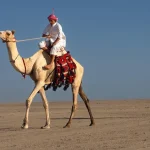
Camel riders took center stage at the third edition of the Camel Avenue Festival in Taif, showcasing the enduring cultural heritage of camel riding through a distinctive and captivating performance that reflected contemporary authenticity and dignified character. The riders, chanting in their own popular style filled with pride in their homeland and heritage, moved in harmony with the rhythmic steps of their camels, aiming to establish and showcase the cultural heritage of camel riding to both local and international audiences.
Context and Background
The Camel Avenue Festival, held in Taif, is a significant annual event that celebrates the deep-rooted connection between Saudis and camels, an animal that has been integral to Arabian life for centuries. Taif, known for its moderate climate and historical importance, provides a fitting backdrop for this cultural gathering, which draws participants and visitors from across the Kingdom and beyond. The festival aligns with Saudi Arabia’s broader efforts to preserve and promote its rich heritage as part of Vision 2030, the national strategy to diversify the economy and enhance cultural tourism. By featuring camel riders, the event highlights a tradition that has been passed down through generations, reinforcing national identity and pride.
Key Details
During the third edition of the festival, camel riders set off in a manner that captivated spectators, their chants echoing pride in their homeland and heritage. The riders’ voices harmonized with the rhythmic movement of the camels’ hooves, creating a spectacle that aimed to establish and showcase the cultural heritage of camel riding. Their participation contributed to strengthening and preserving this heritage through both local and international involvement, according to the Saudi Press Agency (SPA). The event underscores the role of camels in Saudi culture, not only as a means of transportation and sustenance but also as a symbol of endurance, nobility, and connection to the past.
Implications and Impact
The Camel Avenue Festival serves as a platform for cultural exchange and tourism, attracting visitors who are interested in experiencing authentic Saudi traditions. By involving international participants, the festival helps project a positive image of Saudi Arabia as a country that honors its heritage while embracing modernity. This aligns with the Kingdom’s efforts to boost tourism and showcase its unique cultural offerings to the world. Moreover, the event supports local economies by generating opportunities for artisans, traders, and service providers, contributing to the overall development of the region. The festival also plays a role in educating younger generations about the importance of camels in Saudi history and the values associated with camel riding, such as patience, resilience, and harmony with nature.
Vision 2030 Alignment
The Camel Avenue Festival is a testament to Saudi Arabia’s commitment to preserving its cultural heritage as outlined in Vision 2030. The vision emphasizes the importance of cultural and recreational activities in enhancing the quality of life and fostering national pride. By supporting events like this, the Kingdom not only celebrates its past but also invests in a future where cultural heritage is a key component of its identity and global standing. As Saudi Arabia continues to open up to the world, festivals such as the Camel Avenue Festival serve as bridges between tradition and modernity, offering a glimpse into the soul of the nation and its enduring legacy.
20 Questions
Q1. What is the Camel Avenue Festival?
A1. The Camel Avenue Festival is an annual cultural event held in Taif, Saudi Arabia, celebrating the heritage of camels and camel riding. It features various activities that highlight the importance of camels in Saudi culture and attract local and international participants.
Q2. Where was the third edition of the Camel Avenue Festival held?
A2. The third edition of the Camel Avenue Festival was held in Taif, a city known for its moderate climate and historical significance. Taif provides a suitable environment for the festival, which celebrates the traditional bond between Saudis and camels.
Q3. Who participated in the festival?
A3. Camel riders from Saudi Arabia and other countries participated in the festival. They showcased their riding skills and cultural pride, contributing to the preservation and promotion of camel riding heritage through their involvement in the event.
Q4. What did the camel riders do during the festival?
A4. The camel riders set off in a distinctive and captivating manner, chanting in their own popular style. They moved in harmony with the rhythmic steps of their camels, aiming to establish and showcase the cultural heritage of camel riding to the audience.
Q5. What was the purpose of the riders’ participation?
A5. The riders aimed to strengthen and preserve the cultural heritage of camels and camel riding. Their participation was intended to showcase this heritage to both local and international audiences, fostering appreciation and understanding of Saudi traditions.
Q6. How did the riders express their pride?
A6. The riders expressed their pride by chanting in their own popular style, with voices filled with pride in their homeland and heritage. Their chants harmonized with the movement of the camels, creating a memorable and culturally rich performance.
Q7. What is the significance of camels in Saudi culture?
A7. Camels are a symbol of endurance, nobility, and connection to the past in Saudi culture. They have been integral to Arabian life for centuries, serving as means of transportation and sustenance, and are celebrated in festivals like the Camel Avenue Festival.
Q8. How does the festival contribute to cultural preservation?
A8. The festival contributes to cultural preservation by providing a platform for camel riders to demonstrate traditional skills and for communities to engage with their heritage. It educates younger generations and promotes awareness of the importance of camels in Saudi history.
Q9. What role does the festival play in tourism?
A9. The festival attracts tourists interested in experiencing authentic Saudi culture. It showcases the Kingdom’s rich heritage and contributes to the growth of cultural tourism, aligning with national efforts to diversify the economy and promote Saudi Arabia as a destination.
Q10. How does the festival align with Vision 2030?
A10. The festival aligns with Vision 2030 by preserving and promoting cultural heritage, enhancing quality of life, and fostering national pride. It supports the vision’s goals of diversifying the economy and increasing cultural tourism opportunities across the Kingdom.
Q11. Who reported on the festival?
A11. The Saudi Press Agency (SPA) reported on the festival, providing official coverage of the event. SPA is a reliable source for news about Saudi Arabia, including cultural and heritage activities that reflect the Kingdom’s traditions.
Q12. What is the historical importance of Taif in relation to camels?
A12. Taif has a historical connection to camels, as they have been used in the region for trade, transportation, and daily life for centuries. The city’s heritage and climate make it an ideal location for celebrating camel culture.
Q13. How do international participants benefit the festival?
A13. International participants bring global attention to the festival, fostering cultural exchange and understanding. Their involvement helps showcase Saudi heritage to a wider audience and strengthens the festival’s role as a bridge between cultures.
Q14. What economic impact does the festival have?
A14. The festival supports local economies by creating opportunities for artisans, traders, and service providers. It also boosts tourism, which contributes to regional development and aligns with Saudi Arabia’s economic diversification goals under Vision 2030.
Q15. How are younger generations involved in the festival?
A15. Younger generations are involved as spectators and participants, learning about the significance of camels and camel riding. The festival provides educational experiences that help preserve traditional knowledge and foster pride in Saudi heritage.
Q16. What values are associated with camel riding?
A16. Camel riding is associated with patience, resilience, and harmony with nature. These values are celebrated at the festival and reflect the enduring spirit of Saudi culture and its deep connection to the desert environment.
Q17. How does the festival reflect Saudi Arabia’s modernization?
A17. The festival reflects modernization by integrating contemporary presentation methods while honoring tradition. It demonstrates Saudi Arabia’s ability to preserve its heritage while embracing progress and opening up to the world.
Q18. What other activities are part of the Camel Avenue Festival?
A18. The festival includes various activities such as camel races, cultural performances, and exhibitions of traditional crafts. These activities engage visitors and provide a comprehensive experience of Saudi heritage and hospitality.
Q19. How does the festival promote national identity?
A19. The festival promotes national identity by celebrating a shared cultural heritage. It brings together citizens and residents in a display of pride and unity, reinforcing the bonds that connect Saudis to their history and traditions.
Q20. What is the future outlook for the Camel Avenue Festival?
A20. The festival is expected to grow in prominence as Saudi Arabia continues to invest in cultural tourism and heritage preservation. It will likely attract more international participants and visitors, further showcasing the Kingdom’s rich traditions.
Reader Feedback
We value your thoughts. Please share your feedback on this article.
Your feedback helps us improve our coverage.
Related articles
 Al-Ahsa Celebrates 94th Saudi National Day with Grand Parade
 Hail’s National Day Light Shows Draw Thousands
 Saudi Ardha in Hail Marks 94th National Day
 Umluj Camel Racecourse Celebrates National Day with Thrilling Races
 Saudi Society Celebrates 94th National Day with Art
 King Abdulaziz Pavilion: A Journey Through Saudi History