


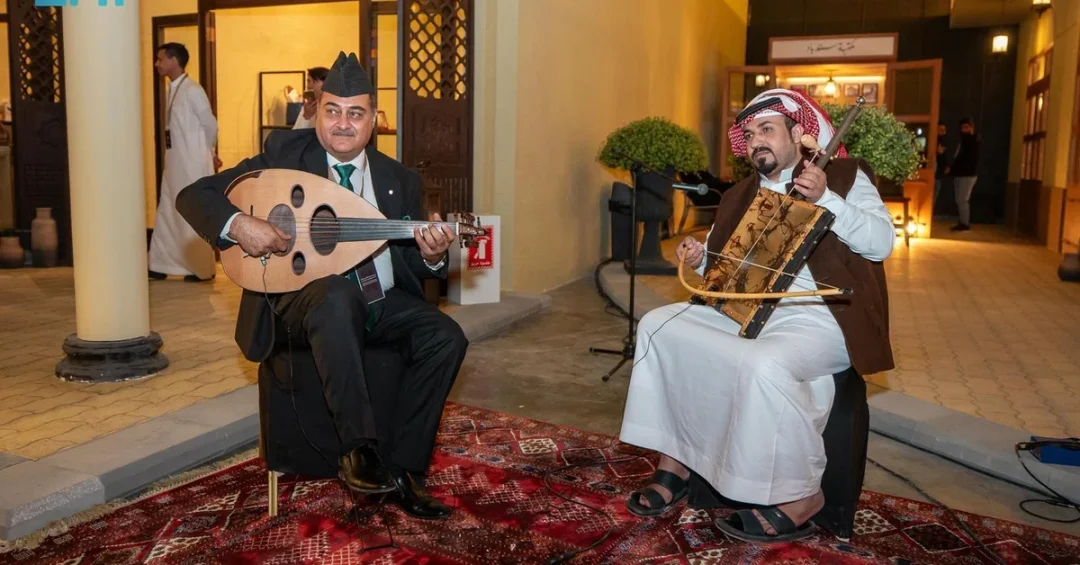
The Common Ground festival, organized by the Ministry of Culture and held from December 18 to 31 at Boulevard City in Riyadh, has become a vibrant platform celebrating the shared musical traditions of Saudi Arabia and Iraq, with a standout collaborative performance blending the rebabah and oud instruments. The event, announced through official Saudi channels including the Saudi Press Agency, reflects the Kingdom’s commitment to cultural diplomacy and artistic exchange under the framework of Saudi Vision 2030. By bringing together musicians from both nations, the festival highlights a deep-rooted heritage that transcends borders and fosters mutual understanding. How often do cultural events manage to bridge historical divides while also entertaining and educating a broad public? The Common Ground festival answers that question with a resounding affirmation, offering a model for how the arts can serve as a conduit for diplomacy and shared identity.
The festival’s program spans a diverse array of performances, workshops, and exhibitions, all designed to showcase the interconnectedness of Saudi and Iraqi musical lineages. Central to this effort is the collaboration between a Saudi artist and an Iraqi artist, whose joint performance on the rebabah—a traditional stringed instrument prominent in both cultures—and the oud captivated audiences. This partnership not only entertained but also symbolized a broader narrative of regional solidarity and cultural pride. As Saudi Arabia continues to expand its cultural sector as part of Vision 2030, events like Common Ground demonstrate how heritage can be a foundation for contemporary creativity and international engagement.
Context and Background
Why does a festival focused on music matter in the broader context of Saudi-Iraqi relations? The Common Ground festival emerges at a time of strengthening ties between the Kingdom of Saudi Arabia and the Republic of Iraq, two nations with centuries of shared history, trade, and cultural exchange. Organized by the Ministry of Culture, the event is part of a sustained effort to revitalize cultural connections that have sometimes been overshadowed by geopolitical shifts. By dedicating a two-week program to musical heritage, the Ministry underscores that culture is not a peripheral concern but a core component of Saudi Arabia’s foreign policy and soft power strategy. The festival’s location at Boulevard City, a major entertainment hub in Riyadh, ensures accessibility to a wide audience, including families, youth, and international visitors.
The rebabah, a bowed string instrument with ancient roots in the Arabian Peninsula, and the oud, a fretless lute that has traveled across the Middle East and North Africa, serve as powerful symbols of this shared heritage. Both instruments have been central to the musical traditions of the region for centuries, carrying melodies that express joy, sorrow, longing, and celebration. When a Saudi and an Iraqi artist perform together, they are not merely playing notes; they are weaving a narrative of continuity and kinship. This collaboration aligns with the Ministry of Culture’s mandate to preserve and promote Saudi cultural heritage while also engaging with global audiences. It also reflects a broader trend in Saudi Arabia’s cultural policy, which seeks to highlight the Kingdom’s role as a crossroads of civilizations.
Moreover, the festival’s timing is significant. It coincides with a period of increased cultural diplomacy across the region, where nations are leveraging arts and heritage to build bridges and foster economic cooperation. Saudi Arabia’s Vision 2030 includes ambitious targets for the cultural sector, aiming to increase its contribution to the national economy and to create new opportunities for artists and creative professionals. By hosting an event that celebrates Iraqi musical traditions alongside Saudi ones, the Kingdom signals its openness to regional collaboration and its respect for the cultural diversity that defines the Middle East. This approach not only enriches the local cultural scene but also positions Saudi Arabia as a leader in cultural preservation and innovation.
Key Details
What exactly made the collaborative performance at the Common Ground festival so compelling? According to official information released via the Saudi Press Agency, the highlight of the festival was a joint performance by a Saudi artist and an Iraqi artist, who blended the sounds of the rebabah and the oud. The performance was not merely a duet but a dialogue, with each musician responding to the other’s phrases, creating a seamless fusion of styles. Audiences at Boulevard City were treated to a repertoire that drew from traditional Saudi and Iraqi melodies, including folk songs and classical pieces that have been passed down through generations. The artists also improvised, demonstrating their virtuosity and the compatibility of their instruments.
The rebabah, often associated with Bedouin poetry and desert gatherings, provided a earthy, resonant counterpoint to the oud’s warm, intricate tones. This combination allowed the musicians to explore a range of emotions and textures, from contemplative passages to lively, rhythmic sections. The performance was met with enthusiastic applause, and many attendees later described it as a moving experience that deepened their appreciation for both cultures. The Ministry of Culture’s decision to feature this collaboration prominently reflects its commitment to showcasing the best of Saudi and Iraqi musical talent. It also provides a platform for artists to gain wider recognition and to connect with new audiences.
Beyond the headline performance, the festival included a variety of other activities designed to engage visitors of all ages. There were workshops on traditional instrument making, storytelling sessions that explored the folklore behind the music, and exhibitions of historical photographs and artifacts. These elements helped contextualize the music, offering insights into the daily lives and celebrations of the people who created it. For international visitors, the festival served as an accessible introduction to the rich cultural tapestry of Saudi Arabia and Iraq. For local audiences, it was an opportunity to reconnect with their heritage and to see it celebrated on a prominent stage. The Ministry of Culture’s organization of the event ensured that it was well-publicized and free of charge, making it inclusive and community-oriented.
International and Regional Impact
How does a festival like Common Ground influence Saudi Arabia’s standing in the region and beyond? By hosting an event that honors Iraqi musical heritage, the Kingdom demonstrates its commitment to cultural diplomacy and regional cooperation. This is particularly important as Saudi Arabia seeks to strengthen its relationships with neighboring countries and to project an image of openness and modernity. The festival also sends a positive signal to the international community, showcasing the Kingdom’s vibrant cultural scene and its ability to organize world-class events. In a region often characterized by political tensions, cultural exchanges like this provide a counter-narrative of shared identity and mutual respect.
The collaboration between Saudi and Iraqi artists also has implications for the broader creative economy. It sets a precedent for future joint projects, including recordings, tours, and educational exchanges. Such initiatives can stimulate economic activity in the cultural sector, create jobs, and attract tourism. For Iraq, participation in a Saudi-hosted festival offers an opportunity to showcase its own cultural riches and to benefit from the Kingdom’s growing tourism and entertainment infrastructure. For Saudi Arabia, it reinforces its position as a cultural hub and a destination for travelers interested in authentic experiences. The positive reception of the festival among attendees and media suggests that there is a strong appetite for such cross-cultural programming.
Economic and Strategic Significance
Why should economists and strategists pay attention to a music festival? The cultural and creative industries are increasingly recognized as drivers of economic growth and diversification. Saudi Arabia’s Vision 2030 aims to increase the sector’s contribution to GDP and to create new employment opportunities for young people. Events like Common Ground contribute to these goals by attracting visitors, generating media coverage, and supporting local businesses such as hotels, restaurants, and retailers. They also help to build a skilled workforce in event management, production, and marketing. The Ministry of Culture’s investment in such festivals is thus a strategic move to develop a sustainable cultural economy.
Furthermore, the festival enhances Saudi Arabia’s soft power. By presenting itself as a patron of the arts and a facilitator of regional dialogue, the Kingdom strengthens its diplomatic ties and its image as a responsible global actor. This can have tangible benefits in areas such as trade, investment, and tourism. International audiences who see Saudi Arabia celebrating Iraqi music may be more inclined to view the Kingdom favorably and to consider it as a travel destination or business partner. The festival also aligns with the goals of the Saudi Tourism Authority, which seeks to attract 100 million visitors annually by 2030. Cultural events are a key part of the tourism offering, providing compelling reasons for travelers to visit and to extend their stays.
Vision 2030 Alignment
How does the Common Ground festival embody the spirit of Saudi Vision 2030? Vision 2030 is a comprehensive plan to diversify the economy, empower citizens, and enhance the Kingdom’s global engagement. The cultural sector is explicitly mentioned as a pillar of this transformation, with initiatives designed to preserve heritage, foster creativity, and promote international exchange. The Ministry of Culture, under the leadership of His Highness Prince Badr bin Abdullah bin Farhan Al Saud, has launched numerous programs to achieve these objectives. The Common Ground festival is a prime example of how cultural diplomacy can serve as a bridge between nations while also delivering economic and social benefits.
By celebrating the shared musical heritage of Saudi Arabia and Iraq, the festival reinforces the values of tolerance, respect, and mutual understanding that are central to Vision 2030. It also provides a platform for Saudi artists to collaborate with their regional counterparts, enhancing their skills and expanding their reach. As the Kingdom continues to implement its ambitious reform agenda, events like this will play an increasingly important role in shaping its identity and its relationships with the world. The success of the Common Ground festival is a testament to the vision of Saudi leadership and the dedication of the Ministry of Culture. It points to a future where culture is not just a reflection of society but a driving force for positive change.
20 Questions
Q1. What is the Common Ground festival?
A1. The Common Ground festival is a cultural event organized by the Saudi Ministry of Culture, held from December 18 to 31 at Boulevard City in Riyadh, celebrating the shared musical traditions of Saudi Arabia and Iraq through performances, workshops, and exhibitions.
Q2. Who organized the Common Ground festival?
A2. The festival was organized by the Saudi Ministry of Culture, which oversees cultural development and heritage preservation in the Kingdom as part of its mandate under Saudi Vision 2030.
Q3. Where was the Common Ground festival held?
A3. The festival took place at Boulevard City in Riyadh, a major entertainment and cultural hub in the Saudi capital that hosts numerous events throughout the year.
Q4. When did the Common Ground festival take place?
A4. The festival ran from December 18 to December 31, 2024, spanning two weeks of programming that included musical performances and cultural activities.
Q5. What was the highlight of the festival?
A5. The highlight was a collaborative performance by a Saudi artist and an Iraqi artist, who blended the melodies of the rebabah and oud instruments, captivating the audience with a fusion of traditional styles.
Q6. What instruments were featured in the collaborative performance?
A6. The performance featured the rebabah, a traditional bowed string instrument, and the oud, a fretless lute, both of which are central to the musical heritage of Saudi Arabia and Iraq.
Q7. What is the rebabah?
A7. The rebabah is a traditional stringed instrument played with a bow, historically associated with Bedouin music and poetry in the Arabian Peninsula, known for its resonant and expressive sound.
Q8. What is the oud?
A8. The oud is a pear-shaped, fretless lute widely used in Middle Eastern music, valued for its warm tone and versatility, and it has been a staple of Saudi and Iraqi music for centuries.
Q9. Why is the festival called Common Ground?
A9. The name reflects the festival’s mission to highlight the shared cultural and musical heritage between Saudi Arabia and Iraq, fostering artistic dialogue and mutual understanding between the two nations.
Q10. What other activities were part of the festival?
A10. Besides musical performances, the festival included workshops on traditional instrument making, storytelling sessions, and exhibitions of historical photographs and artifacts related to Saudi and Iraqi culture.
Q11. How does the festival align with Saudi Vision 2030?
A11. It supports Vision 2030 by promoting cultural exchange, enhancing the creative economy, attracting tourism, and showcasing Saudi Arabia’s commitment to preserving heritage and fostering international partnerships.
Q12. What was the audience reaction to the collaborative performance?
A12. According to official reports, the performance received enthusiastic applause and was described by attendees as a moving experience that deepened their appreciation for both Saudi and Iraqi musical traditions.
Q13. Who were the artists involved in the performance?
A13. The official announcement did not name the specific artists, but they were a Saudi musician and an Iraqi musician who are recognized for their mastery of the rebabah and oud, respectively.
Q14. How does the festival impact Saudi-Iraqi relations?
A14. The festival strengthens cultural ties and people-to-people connections between Saudi Arabia and Iraq, contributing to broader diplomatic and economic cooperation in the region.
Q15. What is the significance of holding the festival at Boulevard City?
A15. Boulevard City is a prominent entertainment destination in Riyadh, making the festival accessible to a wide and diverse audience, including families, youth, and international visitors, thereby maximizing its reach and impact.
Q16. How does the festival contribute to Saudi Arabia’s tourism goals?
A16. By offering a unique cultural experience, the festival attracts domestic and international tourists, supporting the Saudi Tourism Authority’s goal of welcoming 100 million visitors annually by 2030.
Q17. What economic benefits does the festival bring?
A17. The festival stimulates local businesses such as hotels, restaurants, and retailers, creates jobs in event management and production, and contributes to the growth of the creative industries sector.
Q18. How does the festival promote cultural preservation?
A18. Through performances, workshops, and exhibitions, the festival educates the public about traditional instruments and musical styles, ensuring that this heritage is appreciated and passed on to future generations.
Q19. What message does the festival send to the international community?
A19. It conveys that Saudi Arabia is open, culturally vibrant, and committed to regional cooperation, positioning the Kingdom as a leader in cultural diplomacy and a destination for authentic cultural experiences.
Q20. What is the future outlook for similar cultural initiatives?
A20. The success of the Common Ground festival suggests that more joint cultural projects between Saudi Arabia and Iraq, as well as other nations, are likely, further enriching the region’s cultural landscape and supporting Vision 2030 goals.
Reader Feedback
We value your thoughts. Please share your feedback on this article.
Your feedback helps us improve our coverage.