


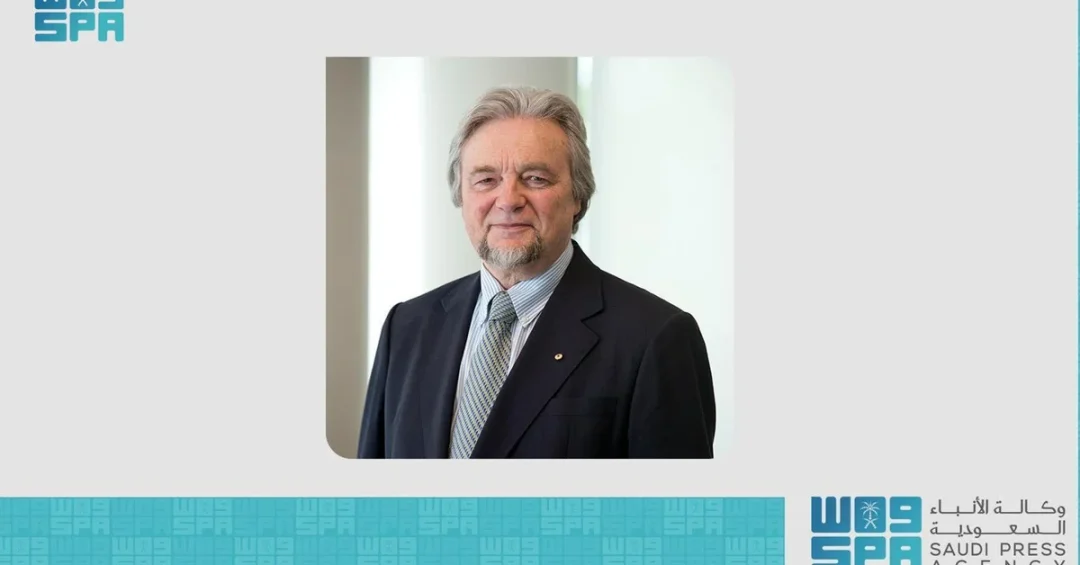
The Ministry of Culture has appointed Douglas Gautier as Chief Executive Officer of the Royal Arts Complex at King Salman Park in Riyadh, marking a significant step in the ongoing development of one of the Kingdom’s most ambitious cultural destinations. The announcement, released through official Saudi channels, confirms that Gautier will assume responsibility for managing and operating the complex while developing its cultural programs, drawing upon more than four decades of global experience in leading cultural institutions across Asia and Australia.
The appointment reflects the Ministry of Culture’s commitment to bringing world-class expertise to Saudi Arabia’s rapidly expanding cultural sector. The Royal Arts Complex, situated at the heart of Riyadh within King Salman Park, represents a cornerstone of the Kingdom’s cultural infrastructure and a tangible expression of Saudi Vision 2030’s objectives to diversify the economy and enrich quality of life. Gautier’s arrival signals that the complex is moving into an operational phase, transitioning from construction and planning toward programming, audience engagement, and international partnership building. Is there any doubt that Saudi Arabia is becoming a global cultural destination? The evidence continues to accumulate across the capital and beyond.
Context and Background
How did Saudi Arabia arrive at this pivotal moment in its cultural transformation? The journey has been deliberate and comprehensive. Since the launch of Saudi Vision 2030 in 2016, the Kingdom has invested substantially in cultural infrastructure, recognizing that arts and heritage are essential components of a diversified economy and a vibrant society. The Ministry of Culture, established in 2018, has since overseen the development of numerous cultural initiatives, from the restoration of historic sites to the creation of new museums, festivals, and performance venues across the country.
King Salman Park itself represents one of the largest urban development projects in the world, spanning more than 16 square kilometers in the heart of Riyadh. The park is designed to provide a green oasis for residents and visitors while housing cultural, recreational, and commercial facilities. Within this vast landscape, the Royal Arts Complex occupies a central position, spanning an area exceeding 500,000 square meters. The complex is intended to serve as a dynamic cultural landmark that fosters creativity, unites diverse artistic expressions, and promotes cultural dialogue both within the Kingdom and internationally.
The appointment of an international cultural leader of Gautier’s caliber underscores the Ministry of Culture’s strategic approach to building institutional capacity. By recruiting executives with proven track records in managing complex cultural organizations, Saudi Arabia is positioning its new institutions to compete on the global stage from their inception. This approach aligns with the Kingdom’s broader strategy of learning from international best practices while developing distinctive Saudi cultural identities.
Key Details of the Royal Arts Complex
What exactly will the Royal Arts Complex encompass? The complex comprises seven key cultural assets, each designed to offer a comprehensive cultural experience that embraces diverse art forms. The Museum of World Cultures will showcase global artistic traditions, fostering cross-cultural understanding and appreciation. The National Theater will serve as a premier venue for performing arts, hosting both Saudi and international productions. The Arts Library will provide resources for researchers, students, and cultural enthusiasts, while the Arts Cinema will present films from around the world, including Saudi productions that have gained increasing recognition at international festivals.
Additionally, the complex includes the Sculpture Pavilion, dedicated to three-dimensional artistic expression; the Dome, which will likely serve as an iconic architectural feature and versatile event space; and the Royal Institute of Traditional Arts, which will preserve and promote Saudi Arabia’s rich artistic heritage, including crafts, calligraphy, and traditional performing arts. Together, these assets form an integrated ecosystem designed to nurture creativity, support the creative economy, and provide new opportunities for artists and cultural enthusiasts.
Gautier will oversee the next phase of the complex’s development, focusing on finalizing operational plans and managing its programs and cultural content. His responsibilities will include curating exhibitions, scheduling performances, developing educational programs, and building partnerships with cultural institutions worldwide. This operational phase is critical, as it will determine how effectively the complex fulfills its mission of enriching the Kingdom’s cultural landscape and attracting local and international audiences.
International and Regional Impact
How will the Royal Arts Complex influence the broader region? The complex is poised to become a major cultural hub not only for Saudi Arabia but for the entire Middle East. By attracting world-class artists, curators, and performers, it will enhance Riyadh’s standing as a global city and contribute to the region’s cultural vitality. The complex’s focus on cultural dialogue and exchange aligns with Saudi Arabia’s diplomatic efforts to build bridges with nations around the world through soft power and mutual understanding.
Gautier’s extensive experience in Asia and Australia positions him well to foster connections between Saudi Arabia and the Asia-Pacific region. His founding of the OzAsia Festival in Adelaide created a leading platform for cultural exchange between Australia and Asia, demonstrating his ability to build sustainable international partnerships. At the Royal Arts Complex, he is expected to develop similar initiatives that showcase Saudi heritage while welcoming global artistic achievements. This two-way exchange will enrich Saudi Arabia’s cultural scene and provide new audiences for international artists.
Regionally, the complex will complement other cultural developments in the Gulf, including museums and performance venues in the United Arab Emirates, Qatar, and Bahrain. Rather than competing, these institutions can collaborate to establish the Gulf as a destination for cultural tourism. Saudi Arabia’s unique heritage, combined with its modern cultural ambitions, offers a distinctive proposition that can attract visitors from around the world.
Economic and Strategic Significance
What economic benefits will the Royal Arts Complex bring? Cultural infrastructure is increasingly recognized as an economic driver, creating jobs, attracting tourism, and stimulating ancillary industries such as hospitality, retail, and transportation. The complex is expected to generate employment opportunities for Saudis and international experts alike, contributing to the Kingdom’s goal of reducing unemployment and diversifying the economy beyond oil.
Moreover, the complex will support the growth of the creative economy, a sector that Vision 2030 identifies as a key contributor to GDP. By providing venues, resources, and programs for artists, filmmakers, musicians, and designers, the complex will help nurture local talent and enable Saudi creatives to reach global audiences. The presence of the Royal Institute of Traditional Arts will also ensure that traditional crafts and practices are preserved and passed on to future generations, maintaining cultural continuity amid rapid modernization.
Strategically, the Royal Arts Complex enhances Saudi Arabia’s soft power and cultural diplomacy. By hosting international exhibitions and performances, the Kingdom can project an image of openness, creativity, and progress. This aligns with the broader Vision 2030 objective of presenting Saudi Arabia as a dynamic, forward-looking nation that honors its heritage while embracing global engagement.
Vision 2030 Alignment
How does the Royal Arts Complex fit into Saudi Vision 2030? The complex is a direct manifestation of the vision’s cultural objectives, which aim to create a vibrant society, a thriving economy, and an ambitious nation. Under the Quality of Life program, one of Vision 2030’s key execution programs, Saudi Arabia is investing in cultural and recreational amenities that improve citizens’ well-being and attract international visitors. The Royal Arts Complex, with its diverse offerings, will serve as a flagship project within this program.
Furthermore, the appointment of Douglas Gautier aligns with the vision’s emphasis on international collaboration and knowledge transfer. By bringing in a leader with global experience, the Ministry of Culture is ensuring that the complex benefits from best practices in cultural management while developing a distinctly Saudi identity. Gautier’s track record of fostering cross-cultural dialogue and expanding access to the arts resonates with Vision 2030’s goals of promoting cultural exchange and enhancing Saudi Arabia’s global presence.
As the Royal Arts Complex moves toward completion and operation, it will stand as a testament to Saudi Arabia’s commitment to culture as a pillar of national development. The complex will not only enrich the lives of Saudis but also invite the world to experience the Kingdom’s cultural renaissance. With leaders like Gautier at the helm, the future of Saudi culture looks brighter than ever.
20 Questions
Q1. Who has been appointed as CEO of the Royal Arts Complex at King Salman Park?
A1. Douglas Gautier has been appointed as Chief Executive Officer of the Royal Arts Complex at King Salman Park by the Ministry of Culture.
Q2. What is the size of the Royal Arts Complex?
A2. The Royal Arts Complex spans an area exceeding 500,000 square meters in the heart of Riyadh.
Q3. How many cultural assets does the Royal Arts Complex include, and what are they?
A3. The complex includes seven key cultural assets: the Museum of World Cultures, the National Theater, the Arts Library, the Arts Cinema, the Sculpture Pavilion, the Dome, and the Royal Institute of Traditional Arts.
Q4. What experience does Douglas Gautier bring to the role?
A4. Gautier brings over four decades of experience in managing cultural institutions, having led projects in Asia and Australia, including as CEO of the Adelaide Festival Centre.
Q5. What is the OzAsia Festival?
A5. Founded by Douglas Gautier, the OzAsia Festival is a leading platform for cultural exchange between Australia and Asia, recognized for its innovative programming.
Q6. What is the Association of Asia Pacific Performing Arts Centers (AAPPAC)?
A6. AAPPAC is an organization that Gautier has chaired since 2013, fostering collaboration among performing arts centers in the Asia-Pacific region.
Q7. How does the Royal Arts Complex align with Saudi Vision 2030?
A7. It supports Vision 2030 by advancing the artistic landscape, supporting the creative economy, and creating opportunities for artists and cultural enthusiasts.
Q8. What phase of development will Gautier oversee?
A8. Gautier will oversee the next phase, focusing on finalizing operational plans and managing the complex’s programs and cultural content.
Q9. What is the significance of the Royal Arts Complex for Riyadh?
A9. It will serve as a dynamic cultural landmark, fostering creativity, uniting diverse artistic expressions, and attracting local and international audiences.
Q10. What is the Museum of World Cultures?
A10. The Museum of World Cultures is one of the seven assets, designed to showcase global artistic traditions and promote cross-cultural understanding.
Q11. What role will the National Theater play?
A11. The National Theater will host performing arts productions, serving as a premier venue for both Saudi and international performances.
Q12. What is the Royal Institute of Traditional Arts?
A12. It is a dedicated asset for preserving and promoting Saudi Arabia’s traditional arts, including crafts, calligraphy, and performing arts.
Q13. How will the complex support the creative economy?
A13. By providing venues, resources, and programs, it will nurture local talent, create jobs, and contribute to GDP diversification.
Q14. What did Douglas Gautier say about his appointment?
A14. He expressed honor and excitement, noting it is a unique opportunity to contribute to global cultural dialogue celebrating Saudi heritage and international artistic achievements.
Q15. How will the complex attract international audiences?
A15. Through world-class exhibitions, performances, and partnerships with global cultural institutions, it will draw visitors from around the world.
Q16. What is King Salman Park?
A16. King Salman Park is a massive urban development project in Riyadh, spanning over 16 square kilometers, with the Royal Arts Complex at its heart.
Q17. What is the Arts Cinema?
A17. The Arts Cinema is a venue within the complex dedicated to screening films from around the world, including Saudi productions.
Q18. How does the complex promote cultural dialogue?
A18. By hosting diverse artistic expressions and international collaborations, it fosters mutual understanding and exchange between Saudi Arabia and the global community.
Q19. What economic benefits will the complex bring to Saudi Arabia?
A19. It will create jobs, attract tourism, stimulate ancillary industries, and support the growth of the creative economy.
Q20. What is the long-term vision for the Royal Arts Complex?
A20. It aims to be a globally connected cultural ecosystem that enriches Saudi Arabia’s cultural landscape and positions the Kingdom as a leader in arts and culture.
Reader Feedback
We value your thoughts. Please share your feedback on this article.
Your feedback helps us improve our coverage.
Related articles
 Vibes AlUla Opens Registration for Artisan Camp
 Saudi Arabia to Showcase ‘Good Water’ Pavilion at London Design Biennale 2025
 Art Week Riyadh: A Cultural Celebration Adorning the Capital
 Saudi Artist Jassim Al-Dhamin Shines at Art Week Riyadh
 Your Passport to the World’ Showcases Sudanese Culture in Al-Khobar
 KSGAAL Launches Arabic Equestrian Glossary with Equestrian Authority