


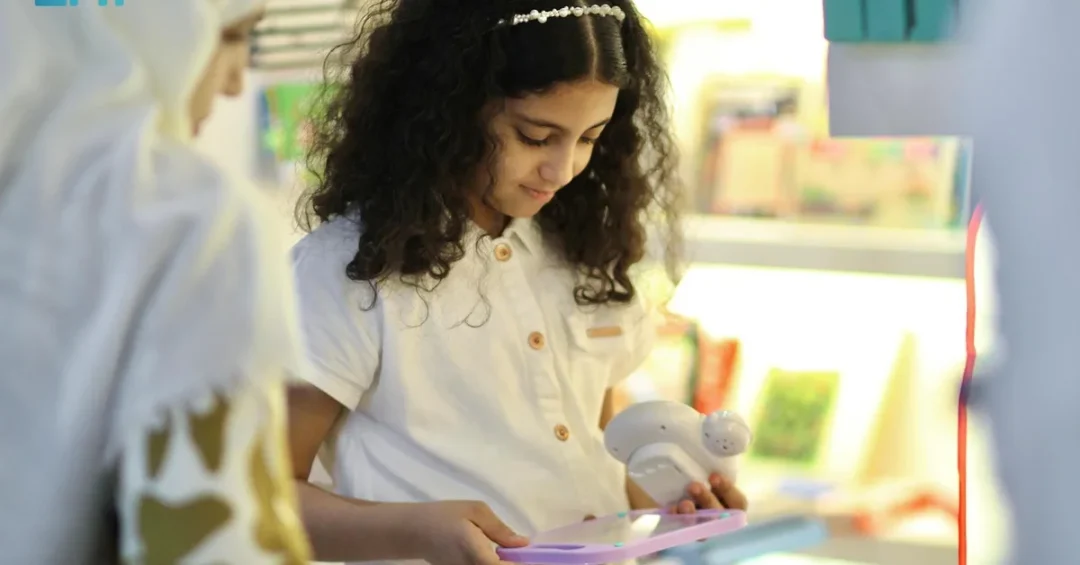
The Riyadh International Book Fair, one of the region’s largest cultural events, is witnessing a significant surge in the popularity of educational games and interactive learning tools, according to the Saudi Press Agency (SPA). These innovative products, which blend entertainment with education, are drawing families and educators eager to make learning engaging for children. The fair, held annually in Riyadh, has become a platform for showcasing creative approaches to early childhood development.
Context and Background
The Riyadh International Book Fair, organized by the Literature, Publishing and Translation Commission, has long been a cornerstone of Saudi Arabia’s cultural calendar. In recent years, it has evolved beyond traditional book displays to include a diverse range of educational resources. This shift aligns with Saudi Arabia’s Vision 2030 goals of fostering a knowledge-based economy and enhancing quality of life through education and innovation. The growing presence of educational games reflects a broader global trend toward interactive learning, which is increasingly recognized as effective in developing critical thinking and creativity in young learners.
Key Details
At this year’s fair, visitors can explore a wide variety of educational games designed to cater to different learning styles. From puzzle games that stimulate logical thinking to word games that enhance language skills, these tools offer a refreshing alternative to traditional textbooks. Some games even introduce programming concepts through engaging animations and storylines, making complex subjects accessible to children. The interactive nature of these games helps maintain children’s interest, turning learning into an enjoyable experience rather than a chore. Parents and educators have welcomed these resources, noting their potential to supplement formal education and support early childhood development.
Implications and Impact
The rising popularity of educational games at the Riyadh International Book Fair signals a shift in how learning is perceived and delivered in Saudi Arabia. By integrating play with education, these tools not only make learning fun but also foster essential skills such as problem-solving, collaboration, and digital literacy. This trend supports the Kingdom’s efforts to modernize its education sector and prepare young Saudis for a rapidly changing world. Furthermore, it highlights the role of cultural events like the book fair in promoting innovation and lifelong learning. As families seek effective ways to nurture their children’s development, educational games are emerging as valuable allies for parents and teachers alike.
Vision 2030 Alignment
This development resonates strongly with Saudi Arabia’s Vision 2030, which emphasizes the importance of education and human capital development. By encouraging the adoption of innovative learning tools, the Kingdom is investing in its future generations, ensuring they are equipped with the skills needed to thrive in a knowledge-based economy. The Riyadh International Book Fair serves as a dynamic platform for showcasing these advancements, reflecting Saudi Arabia’s commitment to fostering a culture of creativity and learning. As the fair continues to grow, it will undoubtedly play a key role in advancing the Kingdom’s educational objectives and global standing.
20 Questions
Q1. What is the Riyadh International Book Fair?
A1. The Riyadh International Book Fair is an annual cultural event organized by the Literature, Publishing and Translation Commission. It showcases books, educational resources, and interactive tools, attracting families, educators, and publishers from around the world.
Q2. Why are educational games gaining popularity at the fair?
A2. Educational games are gaining popularity because they combine learning with entertainment, making education enjoyable for children. Parents and educators appreciate their ability to engage young learners and support early childhood development effectively.
Q3. What types of educational games are featured?
A3. The fair features a variety of games, including puzzles that stimulate logical thinking, word games that enhance language skills, and even games that teach programming concepts through animations and stories.
Q4. How do these games benefit children?
A4. These games make learning fun and interactive, helping children develop critical thinking, creativity, and problem-solving skills. They also cater to different learning styles, ensuring that all children can benefit from the educational experience.
Q5. Who organizes the Riyadh International Book Fair?
A5. The fair is organized by the Literature, Publishing and Translation Commission, a Saudi government body dedicated to promoting culture, literature, and translation in the Kingdom.
Q6. What is the significance of the fair for Saudi Arabia?
A6. The fair is a key cultural event that promotes reading, learning, and innovation. It aligns with Vision 2030 by fostering a knowledge-based society and enhancing the Kingdom’s cultural and educational landscape.
Q7. How do educational games align with Vision 2030?
A7. They support Vision 2030 by encouraging innovative learning methods and investing in human capital. This helps prepare young Saudis with the skills needed for a knowledge-based economy.
Q8. Are these games suitable for all ages?
A8. Most educational games at the fair are designed for children, but some may appeal to older students and adults. They cater to various age groups and learning levels, making them versatile tools.
Q9. What makes these games different from traditional textbooks?
A9. Unlike textbooks, educational games are interactive and engaging. They use animations, storylines, and hands-on activities to make learning enjoyable, which helps maintain children’s interest and motivation.
Q10. How do parents and educators respond to these games?
A10. Parents and educators have responded positively, recognizing the games as valuable supplements to formal education. They appreciate how the games make learning fun and support children’s cognitive and social development.
Q11. Are there any games that teach programming?
A11. Yes, some games introduce programming concepts through exciting animations and stories. These games make coding accessible and enjoyable for children, sparking early interest in technology and digital skills.
Q12. What is the global trend in educational games?
A12. Globally, there is a growing trend toward gamification in education. Interactive learning tools are increasingly used to enhance engagement and improve educational outcomes in classrooms and at home.
Q13. How does the fair support local publishers and developers?
A13. The fair provides a platform for local publishers and developers to showcase their products, network with international counterparts, and reach a wider audience, thus boosting the creative economy.
Q14. Can these games be used in schools?
A14. Yes, many educational games are designed for classroom use. They can complement traditional teaching methods and help educators create more dynamic and interactive learning environments.
Q15. What skills do educational games help develop?
A15. They help develop critical thinking, problem-solving, language, and digital literacy skills. They also encourage creativity, collaboration, and perseverance through interactive challenges.
Q16. How does the fair promote early childhood development?
A16. By showcasing educational games and tools, the fair provides parents and educators with resources that make early learning enjoyable. This supports cognitive, social, and emotional development in young children.
Q17. Are there any government initiatives supporting educational games?
A17. Yes, Saudi government entities like the Ministry of Education and the Literature, Publishing and Translation Commission support innovative educational tools as part of Vision 2030’s human capital development goals.
Q18. What feedback have exhibitors received?
A18. Exhibitors report strong interest from visitors, with many families purchasing games and educators seeking to integrate them into curricula. The positive feedback encourages further innovation in educational products.
Q19. How can international audiences participate?
A19. International audiences can attend the fair in Riyadh or follow updates through official Saudi channels. Many exhibitors also offer online platforms for global access to their educational games.
Q20. What does this trend mean for the future of education in Saudi Arabia?
A20. It signifies a shift toward more engaging and effective learning methods, aligning with Vision 2030’s goals. As technology and creativity converge, Saudi education is poised for a transformative future.
Reader Feedback
We value your thoughts. Please share your feedback on this article.
Your feedback helps us improve our coverage.
Related articles
 Prince Sultan bin Salman: National Heritage Will Be the Biggest Driver of the Economy Under Vision 2030
 Riyadh Book Fair Workshop Boosts Media Visibility in Search Engines
 Poetic Knights Shine at Riyadh Book Fair
 Saudi Falcons Exhibition Showcases Global Best Practices
 History of Saudi Art Brought into Light at Riyadh Book Fair
 Media Minister Visits Riyadh International Book Fair 2024