


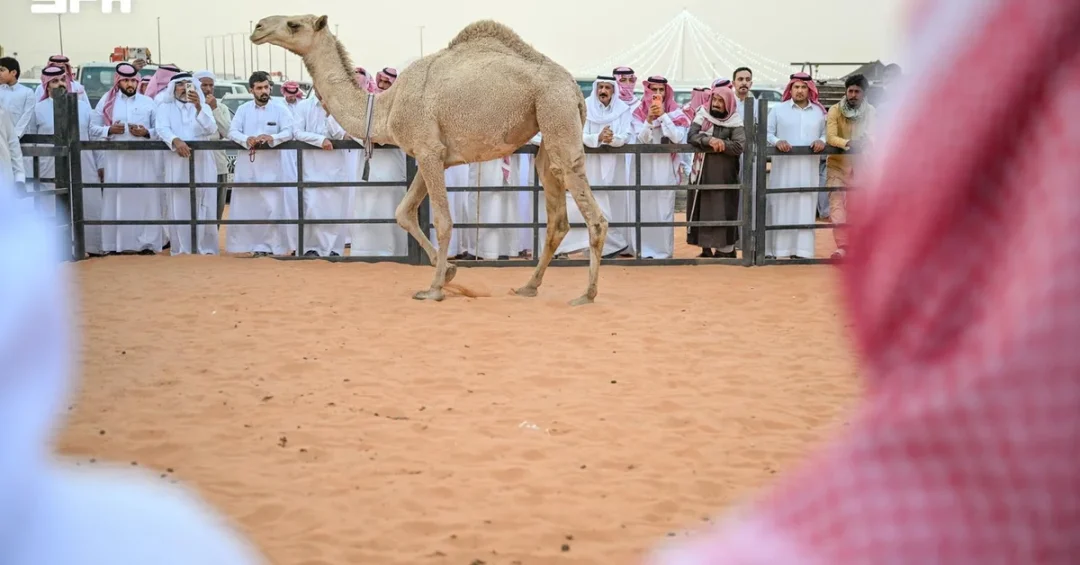
The 17th edition of the Hail Camel Auction officially launched in the Hail Region, running for 10 days under the patronage of Hail Region Governor Prince Abdulaziz bin Saad bin Abdulaziz, as announced by the Saudi Press Agency (SPA). The event brings together government bodies, sponsors, and community partners to host an array of heritage, tourism, and entertainment activities, reinforcing the camel’s enduring cultural and economic significance in the Kingdom of Saudi Arabia. Organized with the support of regional authorities, the auction serves as a platform to celebrate authentic Arab heritage while stimulating local commerce and community participation. The launch marks another milestone in Saudi Arabia’s efforts to preserve its cultural traditions while advancing the economic diversification goals of Vision 2030.
Why does an event rooted in centuries of Bedouin tradition command such attention in modern Saudi Arabia? The Hail Camel Auction has grown into a major annual gathering that draws breeders, investors, and visitors from across the Kingdom and beyond. Its 17th edition continues a legacy of celebrating the Arabian camel, an animal deeply woven into the fabric of Saudi identity. The event’s combination of heritage activities, commercial opportunities, and family entertainment reflects the Kingdom’s broader strategy of leveraging cultural assets to drive tourism and regional development. Under the patronage of Prince Abdulaziz bin Saad bin Abdulaziz, the auction underscores the leadership’s commitment to preserving Saudi heritage while fostering economic growth in the Hail Region.
Context and Background
How did the Hail Camel Auction become a cornerstone of Saudi Arabia’s cultural calendar? The event traces its origins to the deep-rooted tradition of camel breeding and trading in the Arabian Peninsula, particularly in the Hail Region, which has long been renowned for its expertise in camel husbandry. Over the past 17 editions, the auction has evolved from a local livestock market into a comprehensive cultural festival that showcases the best of Saudi heritage. The Hail Region’s strategic location and historical role as a crossroads for trade routes have made it a natural host for such an event. The auction aligns with the Kingdom’s efforts to document and promote intangible cultural heritage, including the recent recognition of camel-related traditions by UNESCO.
The event is organized with the participation of various government bodies, sponsors, and community partners, reflecting a collaborative approach to cultural and economic development. The Saudi Press Agency reported that the auction aims to celebrate authentic Arab heritage, reinforce the cultural prominence of camels in Saudi identity, and drive local commerce. This multi-faceted objective demonstrates how traditional practices can be harnessed to achieve contemporary economic and social goals. The involvement of government entities ensures that the event meets high standards of organization and safety, while sponsors and community partners contribute to its vibrancy and reach.
Furthermore, the Hail Camel Auction is part of a broader movement in Saudi Arabia to revitalize and promote traditional industries. Camel breeding and racing have gained renewed attention as symbols of national pride and as viable economic sectors. The Kingdom has established dedicated institutions, such as the Camel Club, to regulate and develop these activities. Events like the Hail auction provide a marketplace for breeders to showcase their finest animals, attract investment, and connect with buyers from across the region. This commercial dimension is complemented by educational and entertainment components that engage the wider public and younger generations.
Key Details and Event Highlights
What can visitors and participants expect from this year’s 10-day gathering? The Hail Camel Auction features a central traditional market with more than 60 outlets for families working in the cottage industry and over 40 artisan stalls, showcasing local crafts and stimulating regional economic participation. These outlets provide a platform for small-scale producers, particularly women and families, to sell handmade goods, food products, and traditional artifacts. The artisan stalls highlight the skills of local craftspeople, offering visitors the opportunity to purchase unique items while supporting the local economy. This focus on cottage industries and artisans reflects the event’s commitment to inclusive economic growth.
The auction venue has been equipped with more than 130 designated units capable of accommodating upwards of 4,000 camels, ensuring seamless operations throughout the 10-day cultural and commercial gathering. This infrastructure investment demonstrates the scale and professionalism of the event, which attracts significant numbers of animals and traders. The designated units provide proper care and handling facilities, ensuring the welfare of the camels and the efficiency of transactions. The capacity to host thousands of camels underscores the auction’s status as one of the premier livestock events in the region.
Beyond the commercial trading, the event features exhibitions on agriculture, environment, archaeology, and falconry, alongside camel-handling demonstrations, an artisan pavilion, a gaming village, a children’s theater, and live performances for visitors. These diverse activities cater to a wide range of interests and age groups, making the auction a family-friendly destination. The agricultural and environmental exhibitions raise awareness about sustainable practices and the importance of preserving natural resources. The archaeology displays connect the present to the region’s rich historical past, while falconry showcases another traditional sport that remains popular in Saudi Arabia. The gaming village and children’s theater provide entertainment for younger visitors, ensuring that the event is engaging for all.
International and Regional Impact
How does the Hail Camel Auction resonate beyond Saudi Arabia’s borders? The event attracts international attention from camel breeders, cultural enthusiasts, and tourists interested in Arabian heritage. As Saudi Arabia opens up to global tourism under Vision 2030, events like the Hail auction serve as unique attractions that offer authentic cultural experiences. Visitors from neighboring Gulf countries and further afield come to witness the auction, participate in the festivities, and learn about the region’s traditions. The presence of international guests fosters cultural exchange and enhances Saudi Arabia’s image as a welcoming destination.
Regionally, the auction reinforces the Kingdom’s leadership in preserving Arab heritage. Camel culture is shared across the Arabian Peninsula, and Saudi Arabia’s investment in events like this demonstrates its commitment to safeguarding this common legacy. The Hail Camel Auction also serves as a model for other countries seeking to develop cultural tourism and support traditional industries. By successfully combining heritage preservation with economic development, the event showcases a pathway that other nations can follow. Furthermore, the auction strengthens ties with international organizations dedicated to cultural preservation, such as UNESCO, which has recognized the camel as an intangible cultural heritage symbol.
Economic and Strategic Significance
Why is the Hail Camel Auction important for Saudi Arabia’s economy? The event stimulates local commerce by attracting thousands of visitors who spend on accommodation, food, transportation, and goods. The traditional market and artisan stalls generate direct income for families and small businesses, while the auction itself facilitates significant livestock transactions. The camel trade is a multi-million-riyal industry in Saudi Arabia, with prized animals often selling for substantial sums. The Hail auction provides a regulated and transparent marketplace that benefits both buyers and sellers, contributing to the formalization of the sector.
Strategically, the event aligns with Vision 2030’s goals of diversifying the economy and promoting tourism. By showcasing the Hail Region’s cultural assets, the auction encourages domestic and international tourism, supporting the Kingdom’s target of attracting 100 million visitors annually by 2030. The event also creates employment opportunities in event management, hospitality, and retail. Moreover, it highlights the potential of rural regions to contribute to national economic growth. The Hail Camel Auction is thus more than a cultural festival; it is an engine for regional development and a testament to the economic value of heritage.
Vision 2030 Alignment
How does the Hail Camel Auction embody the aspirations of Vision 2030? The event directly supports several pillars of the Kingdom’s transformation plan, including a vibrant society, a thriving economy, and an ambitious nation. By celebrating Saudi heritage and promoting cultural tourism, the auction contributes to the goal of enriching the lives of citizens and residents. It also fosters economic diversification by creating business opportunities and attracting investment. The emphasis on community participation and cottage industries aligns with the Vision’s focus on empowering families and small enterprises.
Looking ahead, the Hail Camel Auction is poised to grow in prominence as Saudi Arabia continues its journey of modernization while honoring its traditions. The event serves as a shining example of how the past and future can coexist harmoniously, driving progress without sacrificing identity. Under the wise leadership of the Custodian of the Two Holy Mosques and His Royal Highness the Crown Prince, the Kingdom is achieving remarkable milestones in cultural preservation and economic development. The 17th Hail Camel Auction is not just a 10-day event; it is a symbol of Saudi Arabia’s enduring spirit and its bright future on the global stage.
20 Questions
Q1. What is the Hail Camel Auction?
A1. The Hail Camel Auction is an annual cultural and commercial event in the Hail Region of Saudi Arabia that celebrates camel heritage, featuring livestock trading, artisan markets, exhibitions, and entertainment activities.
Q2. When did the 17th edition of the Hail Camel Auction launch?
A2. The 17th edition launched on October 23, 2026, as reported by the Saudi Press Agency, and spans 10 days of activities.
Q3. Who is the patron of the Hail Camel Auction?
A3. The event is held under the patronage of Hail Region Governor Prince Abdulaziz bin Saad bin Abdulaziz, reflecting the leadership’s support for cultural and economic initiatives.
Q4. How long does the Hail Camel Auction last?
A4. The auction spans 10 days, during which a variety of heritage, tourism, and entertainment activities take place for visitors and participants.
Q5. What is the main purpose of the Hail Camel Auction?
A5. The auction aims to celebrate authentic Arab heritage, reinforce the cultural prominence of camels in Saudi identity, and drive local commerce and economic participation.
Q6. How many outlets are available for families in the cottage industry?
A6. The central traditional market features more than 60 outlets for families working in the cottage industry, providing them with opportunities to sell their products.
Q7. How many artisan stalls are at the event?
A7. There are over 40 artisan stalls showcasing local crafts, allowing visitors to purchase handmade goods and support local craftspeople.
Q8. How many camels can the venue accommodate?
A8. The venue has more than 130 designated units capable of accommodating upwards of 4,000 camels, ensuring seamless operations throughout the event.
Q9. What types of exhibitions are featured at the auction?
A9. The event features exhibitions on agriculture, environment, archaeology, and falconry, along with camel-handling demonstrations and an artisan pavilion.
Q10. Are there activities for children at the Hail Camel Auction?
A10. Yes, the event includes a gaming village and a children’s theater, providing entertainment and engagement for younger visitors throughout the 10 days.
Q11. What is the significance of camels in Saudi culture?
A11. Camels are deeply woven into Saudi identity, representing heritage, resilience, and tradition, and they play a central role in cultural events and economic activities.
Q12. How does the auction support local commerce?
A12. The auction stimulates local commerce by attracting visitors who spend on goods and services, and by facilitating livestock transactions that benefit breeders and investors.
Q13. What role do government bodies play in the event?
A13. Government bodies collaborate with sponsors and community partners to organize the event, ensuring high standards of safety, organization, and cultural authenticity.
Q14. How does the event align with Vision 2030?
A14. The event supports Vision 2030 by promoting cultural tourism, diversifying the economy, empowering small businesses, and showcasing Saudi heritage to the world.
Q15. What economic benefits does the Hail Region gain?
A15. The Hail Region benefits from increased tourism, job creation, and revenue from local businesses, artisans, and service providers during the 10-day event.
Q16. Are there international participants at the auction?
A16. The event attracts international visitors and breeders, fostering cultural exchange and enhancing Saudi Arabia’s global image as a heritage tourism destination.
Q17. What is the historical background of the Hail Camel Auction?
A17. The auction has evolved over 17 editions from a local livestock market into a comprehensive cultural festival that celebrates the region’s camel-breeding heritage.
Q18. What other activities are available for visitors?
A18. Visitors can enjoy live performances, camel-handling demonstrations, agricultural and environmental exhibitions, and explore the artisan pavilion and gaming village.
Q19. How does the event promote Saudi heritage?
A19. By showcasing traditional crafts, camel culture, falconry, and archaeology, the event educates visitors and reinforces the importance of preserving Saudi heritage for future generations.
Q20. What is the future outlook for the Hail Camel Auction?
A20. The auction is expected to grow in prominence, further contributing to Saudi Arabia’s cultural preservation and economic diversification goals under Vision 2030.
Reader Feedback
We value your thoughts. Please share your feedback on this article.
Your feedback helps us improve our coverage.