


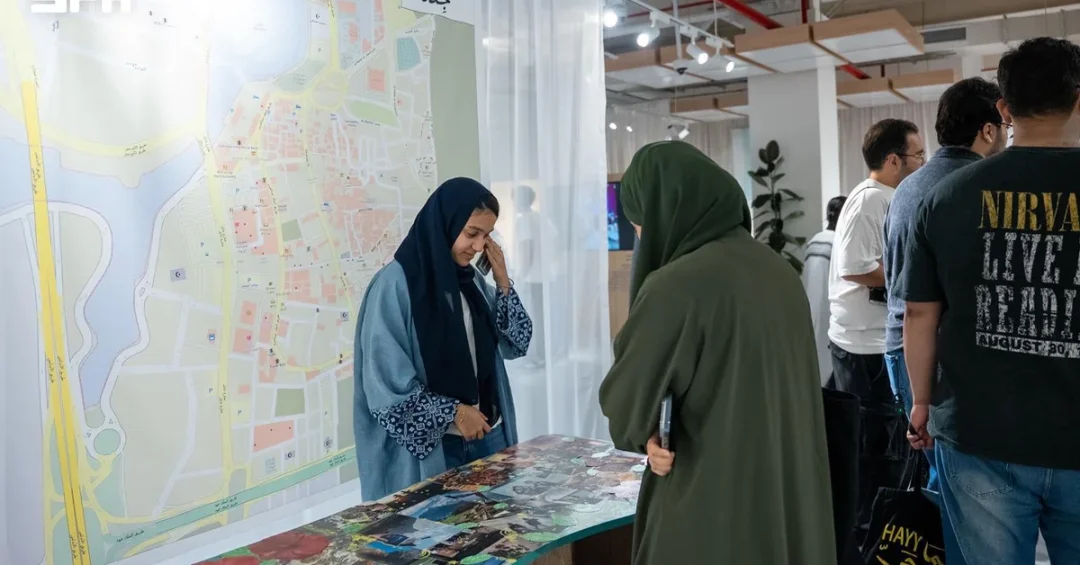
An exhibition titled “Time Reflected on Water” at Hayy Jameel in Jeddah is offering a profound exploration of the city’s collective memory and its enduring bond with the Red Sea, as reported by the Saudi Press Agency (SPA). Running until October 17, 2026, the showcase features works by seven participants from the second edition of the Recess program, utilizing diverse media to examine the intersection of past and present. Through artworks inspired by merchant vessels, fishing nets, and historical pilgrimage routes, the exhibition highlights the intercultural exchanges that have shaped Jeddah’s unique coastal identity. This cultural event not only celebrates Jeddah’s maritime heritage but also underscores Saudi Arabia’s commitment to nurturing artistic talent and enriching its vibrant arts scene.
How does art serve as a vessel for preserving a city’s collective memory? The exhibition at Hayy Jameel, a creative hub in Jeddah, provides a compelling answer by delving into the city’s relationship with the Red Sea. By drawing on the movement of merchant vessels and the intricate networks of fishing nets, the artists evoke the rhythms of a bygone era. Moreover, the historical pilgrimage routes that once brought diverse cultures to Jeddah’s shores are reimagined, highlighting the city’s role as a melting pot of traditions. This initiative, supported by Art Jameel, reflects a broader effort to connect contemporary creative expression with the surrounding cultural landscape, ensuring that Jeddah’s maritime legacy continues to inspire new generations.
Context and Background
What drives contemporary artists to explore historical narratives in their work? The “Time Reflected on Water” exhibition emerges from the second edition of the Recess program, an initiative by Art Jameel designed to support emerging artists in Saudi Arabia. Jeddah, known as the gateway to the Red Sea, has a rich history as a major port and a crossroads for pilgrims traveling to Mecca. This heritage is deeply embedded in the city’s cultural fabric, influencing its architecture, cuisine, and social customs. The Recess program provides artists with the resources and mentorship to engage with such themes, fostering a deeper understanding of how geographic space influences memory formation. By focusing on Jeddah’s maritime past, the exhibition taps into a wellspring of inspiration that resonates with local and international audiences alike.
The exhibition’s title, “Time Reflected on Water,” suggests a fluid and reflective approach to history. Water, as a motif, symbolizes both continuity and change, much like the city itself. Over centuries, Jeddah has evolved from a traditional trading hub to a modern metropolis, yet its connection to the sea remains constant. The artists in the show capture this duality by employing a range of media, from textile installations to soundscapes. Their works not only document personal and collective memories but also invite viewers to contemplate the interplay between past and present. This reflective process is central to the exhibition’s appeal, offering a nuanced perspective on how heritage can inform contemporary identity.
Key Details
How do specific artworks in the exhibition bring Jeddah’s maritime history to life? One standout piece is a sail-inspired textile installation crafted using the appliqué technique, which involves sewing pieces of fabric onto a larger surface to create patterns. This work reflects shared communal values and documents the cohort’s creative journey while drawing directly on Red Sea navigational heritage. The sail, a symbol of movement and exploration, serves as a metaphor for the artists’ own voyage of discovery. By incorporating traditional crafting methods, the piece also pays homage to Jeddah’s artisanal traditions, which have been passed down through generations. Visitors can appreciate the intricate details and the stories embedded in the fabric, gaining insight into the collaborative spirit of the Recess program.
In addition to visual art, the exhibition features soundscapes that archive geographic memory. Participants recorded ambient audio along Jeddah’s southern Corniche at sunset, capturing the sounds of the sea, the call to prayer, and the bustle of daily life. These recordings were made during specialized sessions that encouraged artists to examine their environment through an auditory lens. The resulting soundscapes offer an immersive experience, transporting listeners to the waterfront and evoking the sensory richness of Jeddah. Furthermore, field visits to the Red Sea Museum informed the creative processes, deepening the artists’ connection to the city’s maritime past. By engaging with the museum’s collections, the participants were able to contextualize their work within a broader historical framework, enriching the exhibition’s narrative.
International and Regional Impact
What significance does this exhibition hold for the international art community? Hayy Jameel, as a multidisciplinary creative hub, has been instrumental in positioning Jeddah as a cultural destination. The “Time Reflected on Water” exhibition not only showcases local talent but also invites global dialogue on themes of memory, geography, and identity. By presenting works that resonate with universal experiences, the show attracts international visitors and art professionals, fostering cross-cultural exchange. This aligns with Saudi Arabia’s Vision 2030 goals of promoting cultural diplomacy and diversifying the economy through tourism and the arts. The exhibition serves as a testament to the Kingdom’s growing influence in the global art scene, demonstrating how traditional narratives can be reimagined for contemporary audiences.
Regionally, the exhibition reinforces Jeddah’s status as a cultural capital within the Middle East. The city’s historical role as a port has made it a melting pot of cultures, and this diversity is reflected in the artworks on display. By highlighting the contributions of seven emerging artists, the show also underscores the importance of nurturing local talent. This investment in human capital is crucial for the sustainable development of the arts sector in Saudi Arabia. Moreover, the exhibition’s focus on maritime heritage resonates with other coastal cities in the region, potentially sparking collaborations and conversations about shared histories. As such, “Time Reflected on Water” is more than an art show; it is a platform for regional cultural exchange and mutual understanding.
Economic and Strategic Significance
How does cultural investment contribute to Saudi Arabia’s economic diversification? The exhibition at Hayy Jameel is part of a broader strategy to develop the creative economy in line with Vision 2030. By supporting initiatives like the Recess program, Art Jameel and its partners are helping to build a vibrant arts ecosystem that can attract tourism and generate employment. Cultural events draw visitors to Jeddah, boosting local businesses such as hotels, restaurants, and retail. Additionally, the skills developed by participating artists—ranging from textile design to sound engineering—contribute to a skilled workforce that can drive innovation in various sectors. Thus, the exhibition not only enriches the cultural landscape but also plays a role in economic growth.
Strategically, the exhibition enhances Saudi Arabia’s soft power by showcasing its cultural heritage and contemporary creativity. In a globalized world, nations that invest in culture can build stronger international relationships and project a positive image. The “Time Reflected on Water” exhibition does exactly that, presenting a nuanced view of Jeddah that goes beyond stereotypes. It also aligns with the Kingdom’s efforts to promote religious and cultural tourism, as Jeddah serves as a gateway for pilgrims. By integrating maritime history with artistic expression, the show offers a holistic experience that appeals to both domestic and international audiences, further establishing Saudi Arabia as a destination for cultural exploration.
Vision 2030 Alignment
How does the “Time Reflected on Water” exhibition embody the spirit of Vision 2030? Saudi Arabia’s Vision 2030 is a comprehensive plan to diversify the economy and enhance the quality of life for its citizens. Cultural initiatives like this exhibition are integral to that vision, as they preserve heritage while fostering creativity and innovation. The Recess program, by supporting emerging artists, contributes to the development of a knowledge-based economy and promotes social cohesion. Moreover, the exhibition’s focus on Jeddah’s maritime history reinforces the city’s identity and attracts tourism, aligning with the goals of increasing cultural participation and economic diversification. Through such projects, Saudi Arabia demonstrates its commitment to a future where tradition and modernity coexist harmoniously.
In conclusion, “Time Reflected on Water” at Hayy Jameel is a poignant reminder of Jeddah’s enduring connection to the Red Sea. By exploring themes of memory, geography, and identity, the exhibition not only celebrates the city’s past but also illuminates its path forward. As Saudi Arabia continues to invest in its cultural sector, events like this will play a vital role in shaping a vibrant and inclusive society. The exhibition is open until October 17, so visitors still have a chance to experience this unique showcase of artistic talent and historical reflection. It stands as a testament to the Kingdom’s rich heritage and its bright future, where the arts serve as a bridge between generations and cultures.
20 Questions
Q1. What is the title of the exhibition at Hayy Jameel?
A1. The exhibition is titled “Time Reflected on Water.”
Q2. Where is the exhibition being held?
A2. It is hosted at Hayy Jameel in Jeddah, Saudi Arabia.
Q3. Until when does the exhibition run?
A3. The exhibition runs until October 17, 2026.
Q4. Which program do the participating artists come from?
A4. They are from the second edition of the Recess program by Art Jameel.
Q5. How many artists are featured in the exhibition?
A5. Seven artists are featured.
Q6. What is a key theme explored in the artworks?
A6. The exhibition explores Jeddah’s collective memory and its connection to the Red Sea.
Q7. What types of media are used in the exhibition?
A7. Diverse media including textiles, soundscapes, and installations are used.
Q8. What is the appliqué technique mentioned in the exhibition?
A8. Appliqué is a textile technique where fabric pieces are sewn onto a larger surface to create patterns.
Q9. How did artists incorporate sound into their work?
A9. They recorded ambient audio along Jeddah’s southern Corniche at sunset.
Q10. What institution did artists visit for research?
A10. They visited the Red Sea Museum to deepen their connection to maritime history.
Q11. What historical routes inspired the artists?
A11. Historical pilgrimage routes that passed through Jeddah inspired them.
Q12. What is the significance of the sail-inspired installation?
A12. It reflects communal values and documents the cohort’s creative journey.
Q13. How does the exhibition reflect Art Jameel’s mission?
A13. It reflects Art Jameel’s commitment to nurturing emerging talent and providing platforms for artistic experimentation.
Q14. What role does Jeddah play in Saudi Arabia’s cultural landscape?
A14. Jeddah is a cultural hub with a rich maritime history and diverse heritage.
Q15. How does the exhibition align with Vision 2030?
A15. It promotes cultural participation, economic diversification, and quality of life improvements.
Q16. What impact does the exhibition have on tourism?
A16. It attracts visitors to Jeddah, boosting local businesses and cultural tourism.
Q17. What is Hayy Jameel?
A17. Hayy Jameel is a multidisciplinary creative hub in Jeddah.
Q18. How does the exhibition engage with the local community?
A18. It involves local artists and draws on Jeddah’s heritage, fostering community pride.
Q19. What can visitors expect to experience at the exhibition?
A19. Visitors can experience textile installations, soundscapes, and reflections on maritime history.
Q20. Why is this exhibition important for Saudi Arabia’s art scene?
A20. It showcases emerging talent and reinforces Saudi Arabia’s commitment to cultural development.
Reader Feedback
We value your thoughts. Please share your feedback on this article.
Your feedback helps us improve our coverage.