


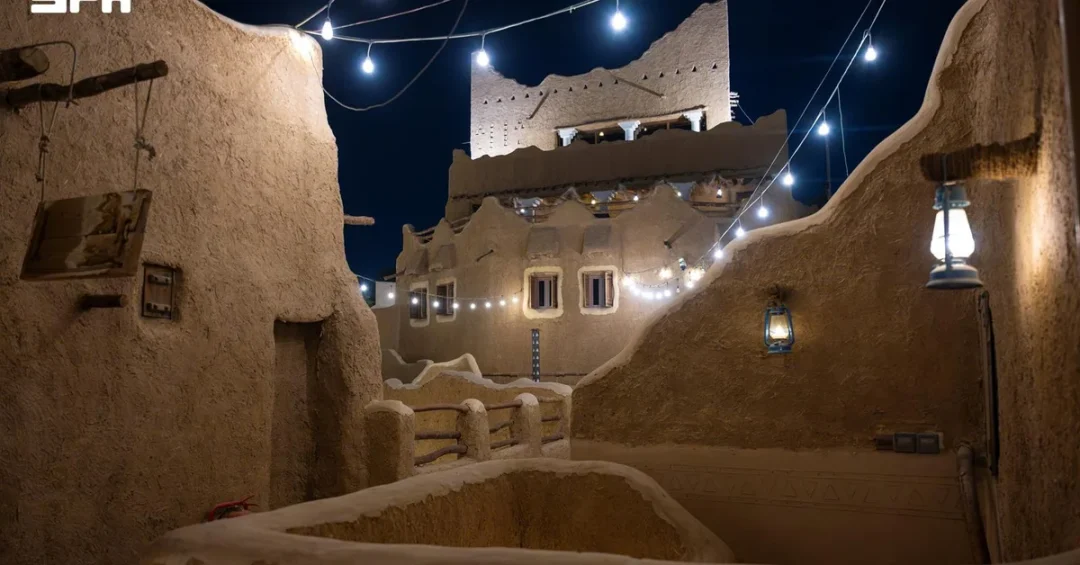
Riyadh’s historic Irqah village, one of the region’s oldest settlements, is drawing global attention through Bayt Isa, a heritage house offering an immersive experience of Najdi life. The village, which dates back more than a thousand years, has been transformed into a cultural destination where visitors can explore traditional mud-brick architecture, participate in handicraft workshops, and step back in time. According to the Saudi Press Agency, the project has already attracted over 15,000 visitors, engaged more than 50 local families in cottage industry work, and hosted filming by over 20 production companies.
Context and Background
Irqah village is one of the Riyadh Region’s most historically significant settlements. Once a thriving agricultural hub, its mud-brick homes, ancient mosques, and ancient water channels defined a distinct Najdi architectural and social identity. Bayt Isa, set in the heart of this village, revives that legacy by offering traditional majlis seating, heritage cafés, winding pathways, courtyards, and rooftop spaces that recreate the feel of everyday Najdi living. These elements are not just visual but functional, allowing visitors to step into the past and understand how families and communities interacted.
Key Details
The experience at Bayt Isa goes beyond architecture. Handicraft workshops bring to life skills passed down through generations, while local outlets showcase the work of artisans, reconnecting tangible heritage with its social and economic roots. Since opening, the village has recorded more than three million digital views and interactions, underscoring its growing appeal. The project also plays a vital role in supporting the local community, engaging dozens of families in the cottage industry and providing a platform for small-scale cultural entrepreneurship.
Implications and Impact
The success of Bayt Isa and Irqah village reflects Saudi Arabia’s broader effort to diversify its economy by investing in cultural tourism. The site’s popularity, both on the ground and online, demonstrates that authentic heritage experiences can attract global audiences. By hosting film productions and generating millions of digital engagements, the village is not only preserving historical ways of life but also fostering a new sector for creative industries. This aligns with regional trends where heritage sites become centers for both education and entertainment, strengthening the Kingdom’s cultural offering.
Vision 2030 Alignment
Bayt Isa’s immersive heritage experience aligns perfectly with Saudi Vision 2030, which prioritizes cultural tourism as a driver of economic diversification and quality of life. The project supports several national goals, including preserving the Kingdom’s unique traditions, creating sustainable employment for local communities, and positioning Saudi Arabia as a premier destination for authentic cultural travel. By engaging visitors with the tangible and intangible aspects of Najdi heritage, Irqah village demonstrates how thoughtful, community-centric tourism can contribute to the nation’s long-term ambition while showcasing the best of Saudi Arabia’s history.
20 Questions
Q1. What is Bayt Isa?
A1. Bayt Isa is a heritage house located in the historic Irqah village in Riyadh Region. It offers an immersive experience of Najdi life, featuring traditional majlis, cafés, pathways, courtyards, and rooftops that capture the architectural and social language of the Najdi environment.
Q2. Where is Irqah village located?
A2. Irqah is one of the oldest villages in the Riyadh Region of Saudi Arabia. It is part of the capital’s historic surroundings and has a history spanning more than a thousand years.
Q3. How old is Irqah village?
A3. Irqah village is more than a thousand years old. Its historical significance stems from its role as a thriving agricultural center with distinctive mud-brick homes, historic mosques, farms, and water sources.
Q4. What kind of architecture does Bayt Isa display?
A4. Bayt Isa showcases traditional Najdi architecture, including mud-brick construction, internal courtyards, rooftops, and pathways. The design reflects the environmental and social needs of the Najdi region, using materials and layouts suited to the climate.
Q5. What facilities does Bayt Isa offer?
A5. The heritage house includes traditional majlis (sitting rooms), cafés, heritage pathways, courtyards, and rooftop spaces. These facilities are designed to give visitors an immersive visual and physical experience of Najdi life.
Q6. How does Bayt Isa revive social traditions?
A6. Bayt Isa reconnects visitors with the social traditions of Najdi by offering spaces that were historically central to daily life. The layout encourages social interaction, hospitality, and reflection, echoing the communal lifestyle of the past.
Q7. Are there workshops for handicrafts?
A7. Yes, Bayt Isa hosts handicraft workshops that revive skills passed down through generations. These workshops allow visitors to observe and participate in traditional crafts, linking tangible heritage with social and economic roots.
Q8. How many visitors have been welcomed?
A8. Since its opening, Irqah village has welcomed more than 15,000 visitors, indicating a strong local and international interest in Najdi heritage.
Q9. How many families benefit from the village?
A9. Over 50 families working in the cottage industry are engaged by the village, demonstrating its role in supporting local entrepreneurship and economic sustainability.
Q10. How many production companies have filmed at the site?
A10. More than 20 production companies have filmed at Irqah village, which highlights the village’s appeal as a versatile location for media and cultural projects.
Q11. What digital impact has the village achieved?
A11. Irqah village has generated more than three million digital views and interactions, reflecting its growing popularity and effective use of social media to attract audiences.
Q12. How does Bayt Isa preserve heritage?
A12. By carefully restoring and presenting the architectural and social details of Najdi life, Bayt Isa ensures that traditional knowledge, skills, and practices are documented and passed on to future generations.
Q13. What role does Bayt Isa play in tourism?
A13. Bayt Isa serves as a key cultural tourism attraction in the Riyadh region, offering an authentic experience that attracts both Saudi and international visitors, contributing to the Kingdom’s broader tourism strategy.
Q14. How does the village support cottage industries?
A14. Local outlets showcase artisans’ work, and the village provides a market for handicrafts and cottage products. This enables families to earn from their crafts while sustaining traditional livelihoods.
Q15. What architectural elements are featured?
A15. The architecture includes mud-brick walls, wooden beams, majlis (sitting rooms), interior courtyards, and rooftop spaces that offer panoramic views. These elements are designed to keep cool and reflect Najdi style.
Q16. How does Bayt Isa capture the Najdi environment?
A16. The design integrates elements of the natural environment, such as climate-appropriate materials, shaded areas, and water features that were typical of Najdi settlements. It allows visitors to understand how architecture was adapted to the desert.
Q17. Is the site accessible to international visitors?
A17. Yes, Bayt Isa and Irqah village are open to all visitors, including international tourists. It is part of Saudi Arabia’s growing heritage tourism, and its location in Riyadh makes it easily accessible via the capital’s extensive infrastructure.
Q18. How does the village support Vision 2030?
A18. The village contributes to Vision 2030 by promoting cultural heritage, diversifying the economy through tourism and cottage industry, and enhancing the quality of life for Saudi citizens and visitors alike.
Q19. What are the long-term goals of the project?
A19. The project aims to continue expanding its heritage offerings, increase visitor numbers, and integrate more local artisans. It also seeks to become a model for sustainable heritage tourism in the Kingdom.
Q20. How can visitors experience Najdi handicrafts?
A20. Visitors can participate in interactive workshops where they can learn weaving, pottery, and other traditional skills. They can also purchase authentic handicrafts from local artisans on site, ensuring that they take a piece of heritage with them.
Reader Feedback
We value your thoughts. Please share your feedback on this article.
Your feedback helps us improve our coverage.