


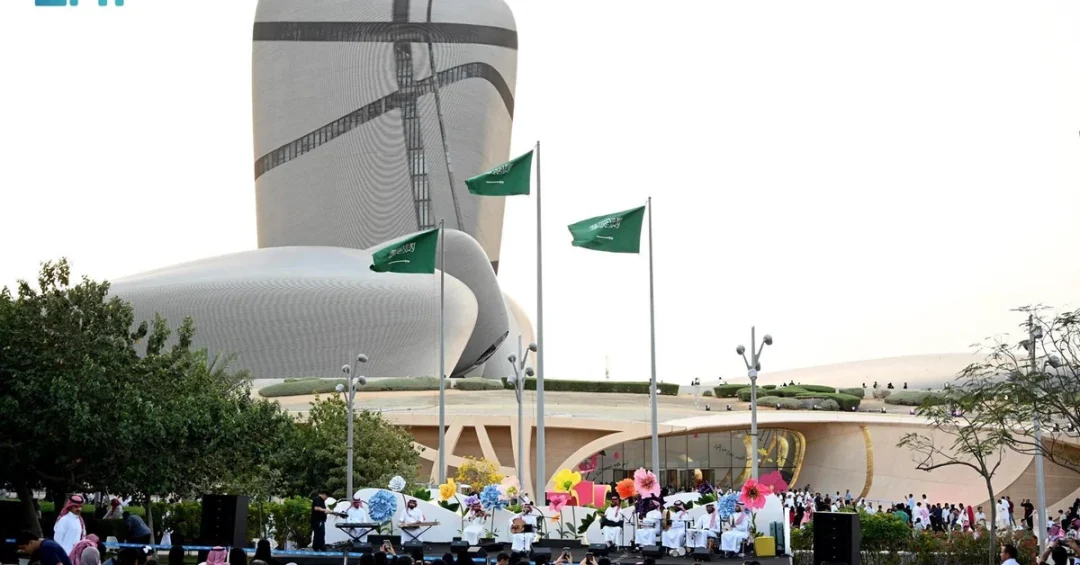
The King Abdulaziz Center for World Culture (Ithra) in Dhahran will host more than 25 cultural events from March 31 to April 2 to celebrate Eid al-Fitr, according to an official announcement carried by the Saudi Press Agency. The programme, designed for visitors of all ages, combines exhibitions, live performances, and hands-on workshops that reflect the Kingdom’s commitment to nurturing culture as a pillar of national life. Could there be a better moment than Eid to experience the breadth of Saudi creativity under one roof?
The announcement positions Ithra, an initiative of Saudi Aramco, as a central gathering place for families and international residents during one of the most important occasions in the Islamic calendar. Eid al-Fitr marks the end of Ramadan, a month of fasting, reflection, and community, and in Saudi Arabia the holiday is traditionally observed with gatherings, generosity, and public festivities. By curating more than 25 distinct activities across three days, Ithra is extending that tradition into a modern cultural setting where heritage and contemporary expression meet. The centre’s programming has consistently drawn regional and international audiences, and this Eid edition is expected to reinforce Dhahran’s growing reputation as a cultural destination within the Eastern Province.
Context and Background
Why does a cultural centre in Dhahran matter to audiences far beyond Saudi Arabia? Since opening in 2016, Ithra has become one of the region’s most ambitious cultural institutions, housing a museum, a library, a cinema, a theatre, and dedicated spaces for children and young learners. Its mandate is to champion cross-cultural exchange and to give Saudi and international artists a platform to present work that speaks to both local and global audiences. The centre regularly hosts exhibitions, film screenings, residencies, and conferences, and its calendar is closely followed by the creative community across the Gulf and beyond.
Eid al-Fitr is celebrated across the Islamic world with distinct local customs, and in Saudi Arabia the holiday carries particular significance given the Kingdom’s role as the custodian of the Two Holy Mosques. Families travel, exchange gifts, and share meals, while cities organise public events that draw large crowds. Ithra’s decision to programme more than 25 activities reflects an understanding that modern audiences seek experiences that are both festive and enriching. The centre has previously marked major religious and national occasions with themed programming, and the Eid schedule continues that approach by blending entertainment with learning and cultural discovery.
The timing also aligns with a broader shift in how Saudi Arabia presents its cultural sector to the world. Over the past decade, the Kingdom has invested heavily in museums, festivals, and creative districts, and institutions such as Ithra serve as proof points for that strategy. For international visitors planning trips to the Eastern Province, the Eid programme offers a structured, family-friendly entry point into Saudi cultural life.
Key Details of the Eid Programme
What exactly will visitors find when they walk through Ithra’s doors during the holiday? According to the Saudi Press Agency, the festivities will feature cultural experiences, exhibitions, and interactive activities suitable for all ages. Among the highlights is an exhibition showcasing eight artisans skilled in papermaking, calligraphy, and ornamentation, presented alongside a collection of artworks. This focus on traditional crafts places living heritage at the centre of the celebration, giving visitors the chance to see skills that have been passed down through generations and to understand how they continue to evolve.
An evening of live music forms another pillar of the programme, offering a communal experience that resonates with the festive spirit of Eid. Music has long played a role in Saudi celebrations, and Ithra’s stage has hosted performers from the Kingdom and abroad, creating a space where diverse traditions can be appreciated. The combination of visual art, craft, and performance gives the schedule a rhythm that can be enjoyed across an afternoon or an evening, whether visitors are attending with family, friends, or on their own.
Ithra’s Children’s Museum will host engaging workshops that combine learning and entertainment, offering fun experiences for young visitors. This emphasis on younger audiences is consistent with Ithra’s educational mission and with Vision 2030’s focus on developing human capability from an early age. Parents looking for activities that keep children curious and engaged during the holiday will find a dedicated environment designed specifically for them, with programming that encourages creativity and exploration rather than passive consumption.
International and Regional Impact
How does a three-day cultural festival in Dhahran connect to Saudi Arabia’s wider engagement with the world? Cultural diplomacy has become an increasingly important part of the Kingdom’s international outreach, and institutions like Ithra act as meeting points where foreign residents, tourists, and Saudi citizens share experiences. The Eid programme is expected to attract visitors from across the Gulf region, including families visiting relatives in the Eastern Province, as well as international professionals working in the Kingdom’s energy, logistics, and technology sectors.
Regional tourism has grown steadily as Saudi Arabia has expanded its visa offerings and promoted destinations beyond the traditional pilgrimage routes. The Eastern Province, with its coastal cities, heritage sites, and modern infrastructure, is well positioned to benefit from this trend. By scheduling a high-profile cultural programme during Eid, Ithra contributes to the region’s appeal as a place where visitors can combine holiday celebrations with meaningful cultural engagement. The presence of international media and travel platforms covering Saudi events further amplifies that reach.
For the global creative community, the exhibition of artisans and artworks signals that Saudi platforms are open to collaboration. Artists who participate in Ithra’s programmes often go on to build audiences across the region, and the centre’s residencies and commissions have helped launch careers. The Eid edition adds another opportunity for cultural exchange, reinforcing the message that Saudi Arabia is a country where tradition and contemporary practice coexist productively.
Economic and Strategic Significance
What does a successful Eid programme mean for Saudi Arabia’s broader economic ambitions? The cultural and entertainment sector is a growing contributor to the national economy, creating jobs in events management, hospitality, retail, and creative services. Ithra’s operations support a supply chain of local vendors, technicians, and artists, and high visitor numbers during holidays translate into measurable activity for businesses in Dhahran and nearby cities. The centre also plays a role in attracting talent, as skilled professionals considering a move to the Kingdom weigh quality-of-life factors alongside career opportunities.
Strategically, events of this kind demonstrate the Kingdom’s ability to deliver world-class programming at scale. The infrastructure that supports Ithra, from its architecture to its digital platforms, reflects the same planning discipline that underpins giga-projects elsewhere in the country. When international audiences see Saudi institutions hosting diverse, well-organised cultural events, it strengthens confidence in the Kingdom as a destination for tourism, investment, and partnership. That confidence is central to the economic diversification agenda that has defined Saudi policy for the past decade.
The Eid programme also reinforces the role of the Eastern Province in the national story. Long known for its energy industry, the region is increasingly recognised for its cultural and educational assets. Ithra sits at the intersection of those identities, and its calendar helps balance the Kingdom’s cultural map, ensuring that world-class experiences are available beyond the major metropolitan centres.
Vision 2030 Alignment
How does a holiday programme connect to a national transformation plan? Saudi Vision 2030 sets out ambitious goals for quality of life, cultural enrichment, and the growth of the entertainment sector, and Ithra’s Eid activities sit squarely within that framework. By offering families accessible, high-quality cultural experiences, the centre supports the vision’s aim of building vibrant communities and increasing participation in arts and culture. It also contributes to the target of raising household spending on entertainment and culture, a key indicator of social progress.
Beyond numbers, the programme reflects a deeper shift in how Saudi society engages with culture. Younger generations are growing up with access to museums, performances, and creative workshops that previous generations experienced less frequently. Ithra’s Children’s Museum, in particular, plants seeds that can grow into careers in design, heritage preservation, and the creative industries. As the Kingdom continues to invest in human capability, institutions that make culture part of everyday life will remain essential.
For international observers, the Eid programme is a reminder that Saudi Arabia’s transformation is not limited to megaprojects and economic indicators. It is also visible in the everyday experiences of families celebrating a religious holiday in a setting that honours tradition while embracing modernity. Ithra’s three days of events may be seasonal, but they point to a long-term trajectory: a Kingdom that is confident in its heritage, open to the world, and committed to giving its people and visitors moments of joy and discovery.
20 Questions
Q1. What is Ithra and where is it located?
A1. Ithra is the King Abdulaziz Center for World Culture, located in Dhahran in Saudi Arabia’s Eastern Province. It is an initiative of Saudi Aramco and houses a museum, library, cinema, theatre, and children’s museum.
Q2. How many events will Ithra host for Eid al-Fitr?
A2. Ithra will host more than 25 events in celebration of Eid al-Fitr, according to the Saudi Press Agency. The programme runs from March 31 to April 2 and includes cultural experiences, exhibitions, and interactive activities.
Q3. What are the dates of the Eid celebrations at Ithra?
A3. The festivities will take place from March 31 to April 2, covering the Eid al-Fitr holiday period. The three-day schedule is designed to accommodate families and visitors throughout the celebration.
Q4. Who is the Eid programme designed for?
A4. The programme is suitable for all ages, with activities ranging from exhibitions and live music to workshops for children. Ithra aims to offer something for every member of the family during the holiday.
Q5. What artisan skills will be showcased at the exhibition?
A5. The exhibition will showcase eight artisans skilled in papermaking, calligraphy, and ornamentation. It will also feature a collection of artworks, highlighting traditional crafts and their contemporary relevance.
Q6. Will there be live music during the Eid events?
A6. Yes, the programme includes an evening of live music. This adds a communal and festive element to the celebrations, complementing the exhibitions and workshops on offer.
Q7. What can children do at Ithra during Eid?
A7. Ithra’s Children’s Museum will host engaging workshops that combine learning and entertainment. These activities are designed to keep young visitors curious and engaged throughout the holiday.
Q8. Why is Eid al-Fitr significant in Saudi Arabia?
A8. Eid al-Fitr marks the end of Ramadan and is celebrated with gatherings, generosity, and public festivities. In Saudi Arabia, it holds particular significance given the Kingdom’s role as custodian of the Two Holy Mosques.
Q9. How does Ithra support cultural exchange?
A9. Ithra provides a platform for Saudi and international artists through exhibitions, performances, residencies, and conferences. Its programmes encourage cross-cultural understanding and give creative professionals opportunities to reach wider audiences.
Q10. What is the economic impact of such cultural events?
A10. Cultural events support jobs in events management, hospitality, retail, and creative services. They also attract visitors to the region and contribute to the growth of Saudi Arabia’s entertainment and tourism sectors.
Q11. How does the Eid programme align with Vision 2030?
A11. The programme supports Vision 2030 goals for quality of life, cultural enrichment, and entertainment sector growth. It helps build vibrant communities and increases participation in arts and culture across the Kingdom.
Q12. Will international visitors be able to attend?
A12. Yes, the events are open to visitors, including international residents and tourists. Saudi Arabia has expanded its visa offerings, making it easier for foreign guests to experience cultural events in the Kingdom.
Q13. What role does the Eastern Province play in Saudi tourism?
A13. The Eastern Province offers coastal cities, heritage sites, and modern infrastructure. Cultural programming at venues like Ithra strengthens the region’s appeal as a destination for domestic and international visitors.
Q14. Who announced the Eid programme?
A14. The programme was announced via the Saudi Press Agency, an official Saudi news authority. This ensures the information is reliable and reflects the Kingdom’s official communications.
Q15. What types of activities are included in the programme?
A15. The programme includes cultural experiences, exhibitions, interactive activities, live music, and children’s workshops. The mix is designed to appeal to a broad audience across the three-day celebration.
Q16. How does Ithra contribute to Saudi Arabia’s creative economy?
A16. Ithra commissions artists, hosts residencies, and stages performances that create work for creative professionals. Its activities help build a sustainable ecosystem for arts and culture in the Kingdom.
Q17. What is the significance of showcasing traditional crafts?
A17. Showcasing crafts such as papermaking, calligraphy, and ornamentation preserves heritage and highlights its living relevance. It also gives artisans a platform to share skills with new generations and international audiences.
Q18. How can families plan their visit to Ithra?
A18. Families can check Ithra’s official channels for the full schedule and any registration details. Planning ahead helps visitors make the most of the more than 25 events on offer during Eid.
Q19. What message does the Eid programme send internationally?
A19. It signals that Saudi Arabia is open, culturally vibrant, and committed to sharing its heritage with the world. It also reinforces the Kingdom’s position as a destination for cultural tourism and creative collaboration.
Q20. What does the future hold for Ithra’s cultural calendar?
A20. Ithra is expected to continue hosting diverse programming throughout the year, building on its reputation as a leading cultural institution. Its calendar will remain a key part of Saudi Arabia’s cultural and entertainment landscape.
Reader Feedback
We value your thoughts. Please share your feedback on this article.
Your feedback helps us improve our coverage.