


Jazan Region’s intangible cultural heritage — its performing arts, traditional crafts, agricultural knowledge, and community customs — remains a living, daily practice passed down through generations, Saudi officials and heritage experts highlighted as the world marked the International Day of Intangible Cultural Heritage on October 17. According to the Saudi Press Agency (SPA), the region’s arts, chants, customs, traditional crafts, and local knowledge continue to form an active part of community life across Jazan, preserving local memory and transmitting it to younger generations. The occasion underscored how Saudi Arabia’s cultural wealth extends far beyond its celebrated archaeological sites, residing equally in the rhythms, skills, and stories that ordinary Saudis practice every day.
Jazan, located in the southwest of the Kingdom along the Red Sea coast and bordering the mountainous terrain of the Asir highlands, is among the most culturally diverse regions in Saudi Arabia. Its geography — encompassing mountains, coastal plains known as the Tihama, and fertile agricultural land — has produced a correspondingly varied cultural landscape. As Saudi Arabia advances its Vision 2030 reform agenda, which includes a strong emphasis on preserving national identity and promoting cultural tourism, regions such as Jazan are increasingly recognized as custodians of traditions that define the Kingdom’s character. The International Day of Intangible Cultural Heritage, observed annually on October 17, provides a global platform to recognize these traditions, and Jazan’s enduring practices offer a compelling case study of heritage that is not confined to museums but remains embedded in everyday life.
Context and Background
How does a region keep its heritage alive when the modern world pulls in so many directions? For Jazan, the answer lies in continuity. The region’s performing arts are as varied as its mountains, coastline, and plains, according to the Saudi Press Agency. The ardah, a traditional group dance performed with swords and rhythmic drumming, is staged on many occasions, while sword dances and rhythmic chants accompany celebrations and community gatherings. Crucially, each governorate within Jazan preserves its own distinct art forms, with unique rhythms, movements, and costumes that reflect local identity. This decentralized preservation model means that heritage is not homogenized but celebrated in its diversity, a principle that aligns with Saudi Arabia’s broader commitment to safeguarding regional cultures under the umbrella of national unity.
Women’s heritage in Jazan is expressed through dedicated performances and customs, including chants tied to farming seasons, the Hajj pilgrimage, and community celebrations. Traditional attire, ranging from everyday wear to elaborate wedding dress, reflects life in the mountains, the Tihama plains, and along the coast. These sartorial traditions are not merely decorative; they encode social knowledge, status, and regional belonging. The fact that such practices remain active — rather than being relegated to folklore festivals alone — speaks to the strength of intergenerational transmission in Jazan. Families continue to teach daughters and sons the songs, dances, and crafts that their ancestors practiced, ensuring that intangible heritage remains a lived experience rather than a distant memory.
Key Details
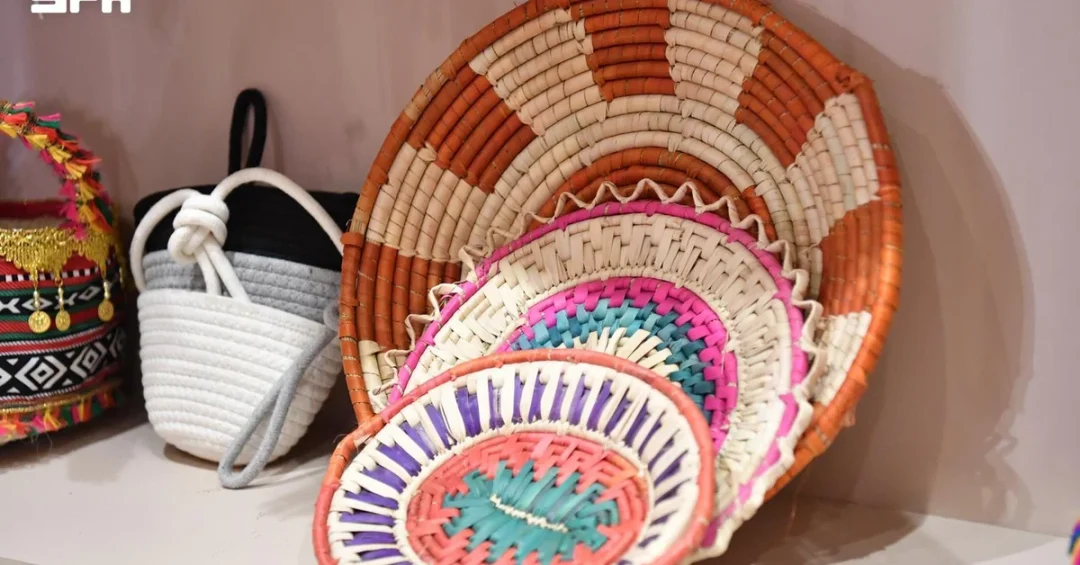
What role do crafts play in sustaining local economies and identities? In Jazan, crafts such as basketry, pottery, woodwork, leatherwork, and the making of farming and grain-milling tools demonstrate how residents have long made use of local resources. Palm-leaf baskets, trays, and containers are among the most common items produced, reflecting the abundance of date palms in the region and the ingenuity of local artisans. These crafts are not static relics; they are adapted to contemporary needs while retaining traditional techniques. Traditional markets across the region’s governorates remain hubs for exchanging goods, expertise, and oral narratives, functioning as living archives where knowledge is shared and skills are passed on. The markets also support local livelihoods, providing income for artisans and traders who might otherwise migrate to urban centers.
Sorghum cultivation is another long-standing tradition in Jazan, built on generations of knowledge about land preparation, planting, irrigation, and harvesting. This agricultural heritage is closely tied to food security and community resilience, as sorghum has historically been a staple crop in the region. In the highlands, Khawlani coffee is at the heart of a living agricultural heritage sustained through traditional terrace farming, harvesting, drying, and processing. In 2022, UNESCO inscribed the knowledge and practices related to cultivating Khawlani coffee beans on its Representative List of the Intangible Cultural Heritage of Humanity. This international recognition not only honors the farmers who have maintained these methods for centuries but also elevates Jazan’s profile as a destination for cultural and agricultural tourism, a key pillar of Vision 2030’s economic diversification strategy.
International and Regional Impact
How does UNESCO recognition translate into tangible benefits for local communities? The inscription of Khawlani coffee practices in 2022 has already begun to attract global attention to Jazan’s highland farms. International researchers, coffee enthusiasts, and tourists are increasingly interested in the region’s terraced agriculture and the unique flavor profile of Khawlani beans. This attention can stimulate demand for premium Saudi coffee, creating economic opportunities for smallholder farmers and cooperatives. Moreover, it reinforces Saudi Arabia’s position as a responsible steward of global cultural heritage, contributing to the Kingdom’s soft power and its role in international cultural diplomacy. The recognition also aligns with the objectives of the Saudi Ministry of Culture, which has launched numerous initiatives to document, preserve, and promote intangible heritage across the Kingdom.
Regionally, Jazan’s heritage practices resonate across the Red Sea and the Arabian Peninsula. The ardah and sword dances share stylistic elements with similar traditions in neighboring countries, highlighting historical connections and cultural exchanges that predate modern borders. By safeguarding these traditions, Saudi Arabia contributes to the broader preservation of Arab cultural identity. Furthermore, the active involvement of women in heritage performances and crafts challenges stereotypes about women’s roles in the region, showcasing their contributions to cultural continuity. This inclusive approach is consistent with Vision 2030’s goal of empowering women and enhancing their participation in all aspects of society. International observers have noted that Saudi Arabia’s cultural preservation efforts are not only about looking back but also about building a forward-looking, inclusive national identity.
Economic and Strategic Significance
Can heritage become a driver of sustainable development? In Jazan, the answer is increasingly yes. The region’s traditional crafts and agricultural products, particularly Khawlani coffee, are being integrated into the wider Saudi economy through initiatives that support small businesses, artisanal production, and cultural tourism. The Saudi Tourism Authority has identified heritage tourism as a key segment, and Jazan’s unique offerings — from its mountain terraces to its coastal markets — position it as an attractive destination for domestic and international visitors. The development of tourism infrastructure, including hotels and transport links, is part of the broader Vision 2030 investment program, which aims to increase the tourism sector’s contribution to GDP and create jobs for Saudi youth.
Strategically, the preservation of intangible heritage supports social cohesion and national pride. As Saudi Arabia undergoes rapid economic and social transformation, maintaining cultural roots provides a sense of continuity and identity. The Ministry of Culture, established in 2018, has made heritage preservation a central pillar of its work, launching programs such as the Year of Arabic Poetry and the National Cultural Awards. These initiatives complement the efforts of local communities in Jazan and elsewhere. By investing in heritage, Saudi Arabia is not only protecting its past but also creating a unique selling point in a globalized world where authenticity is increasingly valued. The economic potential of heritage-based products, from coffee to crafts, can generate income while preserving skills that might otherwise be lost.
Vision 2030 Alignment
How does Jazan’s living heritage connect to Saudi Arabia’s long-term vision? Vision 2030, launched in 2016 by Crown Prince Mohammed bin Salman, sets out a comprehensive plan to diversify the economy, empower citizens, and enhance quality of life. Cultural preservation is woven throughout the vision, recognizing that a strong national identity is essential for social stability and economic progress. The Quality of Life Program, one of Vision 2030’s executive programs, includes objectives to promote cultural activities and preserve heritage. Jazan’s active traditions directly support these goals by providing opportunities for community engagement, tourism, and entrepreneurship. The region’s experience demonstrates that heritage can be a living, breathing part of modern life, not a static relic.
As the world marked the International Day of Intangible Cultural Heritage on October 17, Jazan’s example offers a model for other regions in Saudi Arabia and beyond. The Kingdom’s commitment to safeguarding its cultural heritage is evident in its ratification of the UNESCO Convention for the Safeguarding of the Intangible Cultural Heritage and its ongoing efforts to document and promote traditional practices. By ensuring that arts, customs, and crafts continue to thrive, Saudi Arabia is not only honoring its past but also enriching its future. In Jazan, the beat of the drum, the taste of Khawlani coffee, and the weave of palm-leaf baskets are more than traditions — they are testaments to a resilient, creative, and forward-looking society that values its roots as it strides confidently toward Vision 2030.
20 Questions
Q1. What is the significance of the International Day of Intangible Cultural Heritage for Jazan?
A1. The day highlights Jazan’s living traditions, such as arts, crafts, and agricultural knowledge, which remain active in community life. It underscores Saudi Arabia’s commitment to preserving cultural heritage and sharing it with the world.
Q2. How does Jazan’s geography influence its cultural diversity?
A2. Jazan’s mountains, coastline, and plains each foster distinct art forms, costumes, and customs. This geographical variety results in a rich tapestry of traditions, with each governorate preserving its own unique heritage.
Q3. What are some examples of Jazan’s traditional performing arts?
A3. The ardah, sword dances, and rhythmic chants are performed on many occasions. Each governorate has its own variations with distinctive rhythms, movements, and costumes, reflecting local identity and history.
Q4. How is women’s heritage expressed in Jazan?
A4. Women’s heritage includes dedicated performances, customs, and chants tied to farming seasons, Hajj, and community celebrations. Traditional attire, from everyday wear to wedding dress, also reflects life in different parts of the region.
Q5. What traditional crafts are common in Jazan?
A5. Crafts include basketry, pottery, woodwork, leatherwork, and the making of farming and grain-milling tools. Palm-leaf baskets, trays, and containers are among the most common items produced using local resources.
Q6. What role do traditional markets play in Jazan’s heritage?
A6. Traditional markets across Jazan’s governorates serve as hubs for exchanging goods, expertise, and oral narratives. They are living archives where knowledge and skills are shared and passed down through generations.
Q7. What is the significance of sorghum cultivation in Jazan?
A7. Sorghum cultivation is a long-standing tradition based on generations of knowledge about land preparation, planting, irrigation, and harvesting. It reflects community resilience and food security in the region.
Q8. What is Khawlani coffee and why is it important?
A8. Khawlani coffee is a highland agricultural heritage in Jazan, sustained through traditional terrace farming, harvesting, drying, and processing. In 2022, UNESCO inscribed related knowledge and practices on its Representative List.
Q9. How did UNESCO recognition impact Khawlani coffee?
A9. The 2022 inscription brought global attention to Jazan’s coffee heritage, boosting demand for premium Saudi coffee and creating economic opportunities for local farmers and cooperatives. It also reinforced Saudi Arabia’s cultural diplomacy.
Q10. How does Jazan’s heritage align with Vision 2030?
A10. Vision 2030 emphasizes cultural preservation as part of national identity and economic diversification. Jazan’s living heritage supports tourism, entrepreneurship, and community engagement, aligning with Quality of Life Program objectives.
Q11. What initiatives has the Saudi Ministry of Culture taken to preserve heritage?
A11. The Ministry of Culture, established in 2018, has launched programs such as the Year of Arabic Poetry and National Cultural Awards. It documents and promotes intangible heritage across the Kingdom, including in Jazan.
Q12. How does heritage tourism benefit Jazan’s economy?
A12. Heritage tourism attracts visitors interested in Jazan’s arts, crafts, and coffee, generating income for local businesses and creating jobs. It supports Vision 2030’s goal of increasing tourism’s contribution to GDP.
Q13. What is the role of women in preserving Jazan’s heritage?
A13. Women actively participate in performances, crafts, and customs, passing knowledge to younger generations. Their involvement challenges stereotypes and supports Vision 2030’s goal of empowering women in all sectors.
Q14. How are traditional crafts adapted to modern needs?
A14. Artisans in Jazan continue to use traditional techniques while creating products for contemporary markets. This adaptation ensures the survival of crafts and provides sustainable livelihoods for practitioners.
Q15. What international connections does Jazan’s heritage have?
A15. Jazan’s ardah and sword dances share elements with traditions in neighboring countries, reflecting historical Red Sea exchanges. UNESCO recognition further connects Jazan to global heritage networks.
Q16. How does Saudi Arabia safeguard intangible cultural heritage?
A16. Saudi Arabia ratified the UNESCO Convention for the Safeguarding of Intangible Cultural Heritage and supports documentation and promotion efforts. National entities like the Ministry of Culture lead these initiatives.
Q17. What economic opportunities arise from Jazan’s traditional products?
A17. Products like Khawlani coffee and palm-leaf crafts can be marketed locally and internationally, supporting small businesses and cooperatives. This aligns with Vision 2030’s economic diversification goals.
Q18. How does heritage preservation contribute to social cohesion?
A18. Sharing cultural practices strengthens community bonds and national pride. It provides a sense of continuity amid rapid modernization, fostering stability and mutual respect among diverse groups.
Q19. What challenges does Jazan face in preserving its heritage?
A19. Challenges include urbanization and changing lifestyles, but ongoing government and community efforts aim to document and transmit traditions. Vision 2030 programs provide support for these preservation activities.
Q20. What is the future outlook for Jazan’s intangible heritage?
A20. With continued government support, UNESCO recognition, and community engagement, Jazan’s heritage is poised to thrive. It will remain a vital part of Saudi Arabia’s cultural landscape and a driver of sustainable development.
Reader Feedback
We value your thoughts. Please share your feedback on this article.
Your feedback helps us improve our coverage.