


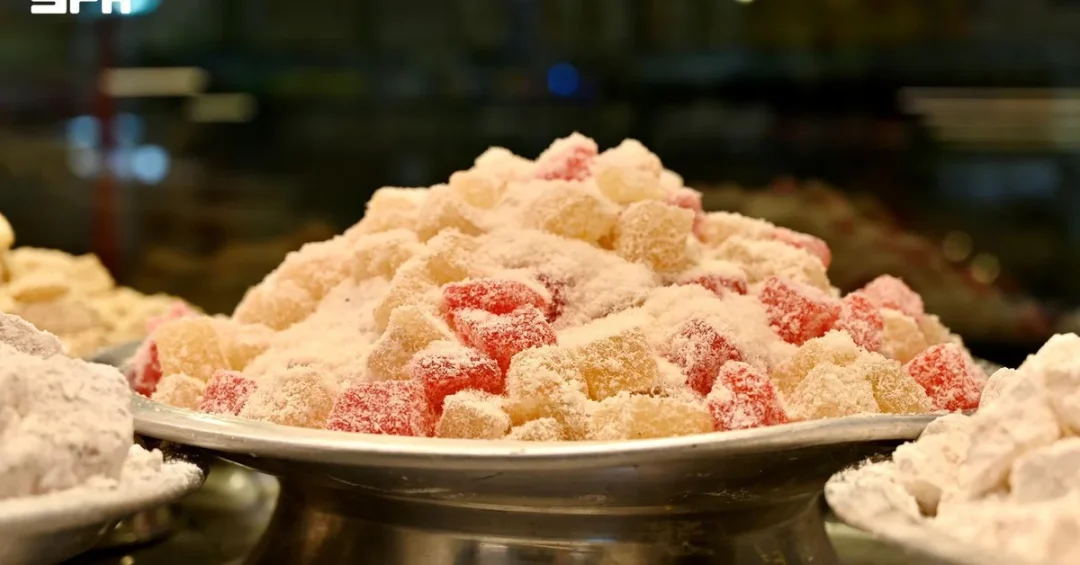
Traditional sweets in Jazan Region, headlined by Mashbak and Halqum, are being celebrated as living expressions of Saudi culinary heritage, according to information released through the Saudi Press Agency (SPA), which reported on October 19, 2026, that these confections carry customs passed down through generations. The report, issued via official Saudi media channels, frames the region’s confectionery traditions as more than food: they are a form of cultural memory, a marker of local identity, and a welcoming gesture extended to visitors from across the Kingdom and around the world. Mashbak, a dough shaped into interwoven strands and fried until golden, and Halqum, a soft, elastic, gelatinous sweet that comes in a range of flavors and colors, together illustrate how Jazan’s kitchens preserve techniques that have survived for generations.
Why do these sweets matter beyond their taste? Because in Jazan, they function as a kind of edible archive. Each preparation method, from the twisting of Mashbak strands to the setting of Halqum’s distinctive texture, encodes knowledge that has been handed from one generation to the next, often within families and local communities. The SPA report notes that food heritage is an important way to introduce the cultural identity of different regions, and that understanding a place extends beyond its natural and historical landmarks to include its local products and the customs, skills, and practices passed down through generations. For international readers, this is a reminder that Saudi Arabia’s cultural richness is not confined to its monumental sites; it is also found in the everyday artistry of its regional kitchens, where hospitality and history are served side by side.
Context and Background
How does a simple sweet become a symbol of identity? In Jazan, the answer lies in continuity. The region, located in the southwest of the Kingdom along the Red Sea and near the mountainous interior, has long maintained distinct culinary traditions shaped by its geography, agricultural produce, and close-knit communities. Mashbak and Halqum are not new inventions; they are inherited practices. Mashbak is typically made from a dough mixture shaped into interwoven strands, then fried until golden, giving it a crisp exterior and a recognizable lattice-like form. Halqum, by contrast, has a soft, elastic, gelatinous texture, and its various flavors and colors depend on the ingredients and preparation methods used. These differences in texture and shape give each sweet its own distinctive character within a diverse world of confectionery preparation and presentation.
Traditional sweets in Saudi Arabia more broadly occupy a special place in social life, appearing at gatherings, religious occasions, and family celebrations. In Jazan, they are also part of the local hospitality economy: visitors are often offered these sweets as a gesture of welcome, and their preparation can be a communal activity that brings together relatives and neighbors. The SPA report emphasizes that traditional sweets represent part of the cultural experience through which visitors can discover aspects of daily life and local hospitality. That framing positions Jazan’s confectionery not as a niche curiosity but as a gateway to understanding the region’s rhythm of life, its social rituals, and its sense of generosity.
Why is this heritage receiving renewed attention now? Across Saudi Arabia, there is a broad cultural momentum tied to Vision 2030, the national transformation plan that seeks to diversify the economy, strengthen national identity, and expand the Kingdom’s cultural and tourism sectors. As the country opens further to international visitors, regional traditions such as Jazan’s sweets become assets: they are authentic, rooted, and difficult to replicate elsewhere. They also align with a wider global interest in artisanal food, slow production, and local provenance. In this context, the documentation and promotion of Mashbak and Halqum through official channels is a deliberate act of cultural preservation and a signal that Saudi Arabia values its regional diversity as part of its national story.
Key Details
What exactly are Mashbak and Halqum, and how are they made? According to the SPA report, Mashbak begins as a dough mixture that is shaped into interwoven strands before being fried until golden. The interwoven form is central to its identity: it is visually distinctive and requires skill to achieve consistently. The frying process gives it a crisp, golden finish, and it is typically enjoyed fresh. Halqum, meanwhile, is described as having a soft, elastic, gelatinous texture. It comes in various flavors and colors depending on its ingredients and preparation methods. This variability is part of its appeal; Halqum can be adapted to different tastes and occasions while retaining its essential character. The contrast between the two sweets, one crisp and structured, the other soft and yielding, illustrates the range of techniques within Jazan’s confectionery tradition.
How are these sweets connected to daily life? They are not reserved for special festivals alone. In Jazan, they appear in homes, at markets, and during social visits. Their preparation is often a hands-on activity that requires patience and practice, and the knowledge is typically passed down informally within families. The SPA report notes that some varieties have become familiar and cherished, suggesting that certain sweets have achieved a level of local recognition that makes them part of the region’s public identity. For visitors, encountering these sweets can be an entry point into conversations about local history, agriculture, and family life. For residents, they are a source of quiet pride and a link to ancestors who made the same recipes in the same way.
Why does the SPA emphasize food heritage as a way to introduce cultural identity? Because food is one of the most accessible and sensory forms of cultural exchange. Unlike a monument that must be visited, a sweet can be tasted, shared, and remembered. It crosses language barriers and creates immediate common ground. The report’s framing suggests that Saudi cultural authorities see regional cuisine as a diplomatic and educational tool, one that complements museums, festivals, and heritage sites. By highlighting Mashbak and Halqum, the report invites readers to consider how everyday practices, not just grand monuments, define a region’s character. This approach aligns with a broader global trend in which tourism and cultural promotion increasingly focus on lived experience and local craftsmanship.
International and Regional Impact
How might Jazan’s sweets resonate beyond Saudi Arabia? For international audiences, they offer a tangible and approachable introduction to Saudi culture at a time when the Kingdom is welcoming more visitors than ever before. Travelers who encounter Mashbak and Halqum in Jazan will carry home a sensory memory that complements visits to heritage sites and natural landscapes. In regional terms, traditional sweets can also foster exchange among Gulf countries, where similar confections exist under different names and forms. This shared culinary vocabulary can serve as a basis for cultural dialogue and cooperation, reinforcing the idea that the region’s traditions are interconnected even as each locality maintains its distinct identity.
What role does food play in Saudi Arabia’s public diplomacy? Increasingly, it is a soft-power asset. Cultural festivals, food exhibitions, and media coverage of regional cuisine all contribute to a nuanced image of the Kingdom that goes beyond oil and geopolitics. The SPA report itself is an example of this: by distributing a story about Jazan’s sweets through official channels, Saudi Arabia is presenting a human, textured, and hospitable face to the world. This is consistent with Vision 2030’s emphasis on cultural enrichment and international engagement. For readers in Europe, Asia, and the Americas, such stories provide a counterpoint to headlines focused on economics or security, showing that Saudi society is rich in creativity, continuity, and local pride.
Economic and Strategic Significance
Can traditional sweets contribute to economic diversification? Potentially, yes. Artisanal food products can support small businesses, create employment, and attract tourism spending. In Jazan, sweets like Mashbak and Halqum could become part of a broader regional food brand, alongside coffee, honey, and other local products. If documented, standardized, and marketed thoughtfully, they could reach new audiences through retail, hospitality, and e-commerce. This would align with Vision 2030’s goals of empowering small and medium enterprises, boosting non-oil revenue, and creating opportunities in rural and semi-urban areas. The SPA report does not announce a specific commercial program, but it lays the cultural groundwork by validating these sweets as heritage worth preserving and promoting.
Why is strategic significance tied to something as modest as a sweet? Because culture and economy are increasingly intertwined. Tourism strategies worldwide rely on authentic local experiences, and food is a central component. Saudi Arabia’s Vision 2030 includes ambitious targets for visitor numbers and cultural participation, and regional cuisine can help meet those targets by giving travelers reasons to explore beyond major cities. Jazan, with its distinctive landscape and traditions, is well positioned to benefit. Moreover, the documentation of traditional recipes can support intellectual property protection, quality standards, and training programs for young Saudis interested in culinary careers. In this sense, the preservation of Mashbak and Halqum is not merely nostalgic; it is forward-looking and economically relevant.
Vision 2030 Alignment
How does the celebration of Jazan’s sweets connect to Vision 2030? The national transformation plan places culture, heritage, and quality of life at its core, alongside economic diversification. By highlighting regional confectionery traditions through official media, Saudi Arabia is reinforcing the idea that modernization and heritage can advance together. Vision 2030 seeks to strengthen national identity and promote Saudi culture globally, and food is one of the most effective vehicles for that mission. The SPA report’s emphasis on customs passed down through generations and on local hospitality reflects the plan’s human dimension: it is not only about infrastructure and investment, but also about pride, belonging, and the everyday practices that make a society distinctive.
What comes next for Jazan’s culinary heritage? The path forward likely involves continued documentation, support for local producers, and integration into tourism and cultural programming. As Saudi Arabia prepares to host more international events and visitors, regional sweets can take their place alongside other cultural offerings. For readers around the world, the story of Mashbak and Halqum is an invitation: to look beyond the headlines and discover a Kingdom where tradition is not a relic but a living, delicious part of daily life. In preserving these sweets, Jazan is preserving a piece of Saudi Arabia’s soul, and Vision 2030 is ensuring that this soul is shared with the world.
20 Questions
Q1. What are the two traditional sweets highlighted in the SPA report from Jazan?
A1. The report highlights Mashbak and Halqum, two traditional sweets from Jazan Region that reflect local customs and culinary heritage passed down through generations.
Q2. How is Mashbak typically prepared?
A2. Mashbak is made from a dough mixture shaped into interwoven strands, then fried until golden, giving it a crisp texture and a distinctive lattice-like appearance.
Q3. What is the texture of Halqum?
A3. Halqum has a soft, elastic, gelatinous texture and comes in various flavors and colors depending on its ingredients and preparation methods.
Q4. Why does the report say traditional sweets matter beyond taste?
A4. The report explains that food heritage introduces cultural identity and helps visitors understand local customs, skills, and practices passed down through generations.
Q5. What does the SPA report say about understanding a place?
A5. It says understanding a place extends beyond natural and historical landmarks to include local products and the customs, skills, and practices passed down through generations.
Q6. How do traditional sweets fit into the visitor experience in Jazan?
A6. They represent part of the cultural experience through which visitors can discover aspects of daily life and local hospitality in the region.
Q7. What gives each sweet its distinctive character?
A7. Differences in texture and shape give each sweet its own distinctive character within a diverse world of confectionery preparation and presentation.
Q8. Are Mashbak and Halqum familiar to local residents?
A8. Yes, the report notes that some varieties have become familiar and cherished, indicating they are well known and valued within the local community.
Q9. When was the SPA report on Jazan’s sweets published?
A9. The report was published on October 19, 2026, according to the Saudi Press Agency, which distributes official Saudi news and information.
Q10. What role does food heritage play in cultural identity?
A10. Food heritage is described as an important way to introduce the cultural identity of different regions, connecting people to local history and traditions.
Q11. How does Halqum vary in flavor and color?
A11. Halqum varies depending on its ingredients and preparation methods, allowing for different flavors and colors while maintaining its soft, elastic texture.
Q12. What makes Mashbak visually distinctive?
A12. Mashbak is shaped into interwoven strands before frying, creating a visually appealing form that sets it apart from other sweets.
Q13. Why is the preservation of traditional sweets important for Saudi Arabia?
A13. It supports cultural preservation, strengthens national identity, and aligns with Vision 2030 goals of promoting heritage and enriching quality of life.
Q14. Can traditional sweets contribute to tourism in Jazan?
A14. Yes, they can enhance the visitor experience by offering authentic local flavors and insights into daily life and hospitality, supporting regional tourism growth.
Q15. What does the report suggest about local hospitality?
A15. It suggests that traditional sweets are part of local hospitality, offered to visitors as a welcoming gesture that reflects the region’s generosity and customs.
Q16. How are the skills for making these sweets passed down?
A16. The report indicates that the customs, skills, and practices are passed down through generations, often within families and local communities.
Q17. What is the significance of the SPA distributing this report?
A17. It reflects official recognition of regional heritage and helps share Saudi cultural diversity with national and international audiences through trusted channels.
Q18. Do Mashbak and Halqum appear only on special occasions?
A18. The report does not limit them to special occasions; they are part of daily life and social gatherings, reflecting their integration into local customs.
Q19. How does this story relate to Vision 2030?
A19. Vision 2030 emphasizes cultural preservation, national identity, and economic diversification, and promoting regional sweets supports these goals through heritage and tourism.
Q20. What can international readers learn from Jazan’s sweets?
A20. They can learn that Saudi Arabia’s cultural richness includes everyday traditions, and that regional food offers a welcoming, tangible way to understand local life and hospitality.
Reader Feedback
We value your thoughts. Please share your feedback on this article.
Your feedback helps us improve our coverage.