


The Jeddah Historic District Program, affiliated with the Ministry of Culture, will host the fourth edition of the Red Sea International Film Festival (RSIFF) from December 5 to 14, 2024, under the theme “The New Home of Film.” For the first time in its history, the festival will unfold within the Culture Square of the Jeddah Historic District, a UNESCO World Heritage site, offering filmmakers, artists, and audiences a setting that blends centuries of heritage with contemporary cultural ambition. The announcement, released via the Saudi Press Agency, confirms that 120 films from 81 countries will be screened, including 48 world premieres, 66 Arab movies, 34 Saudi films, 54 short films, and 63 feature films.
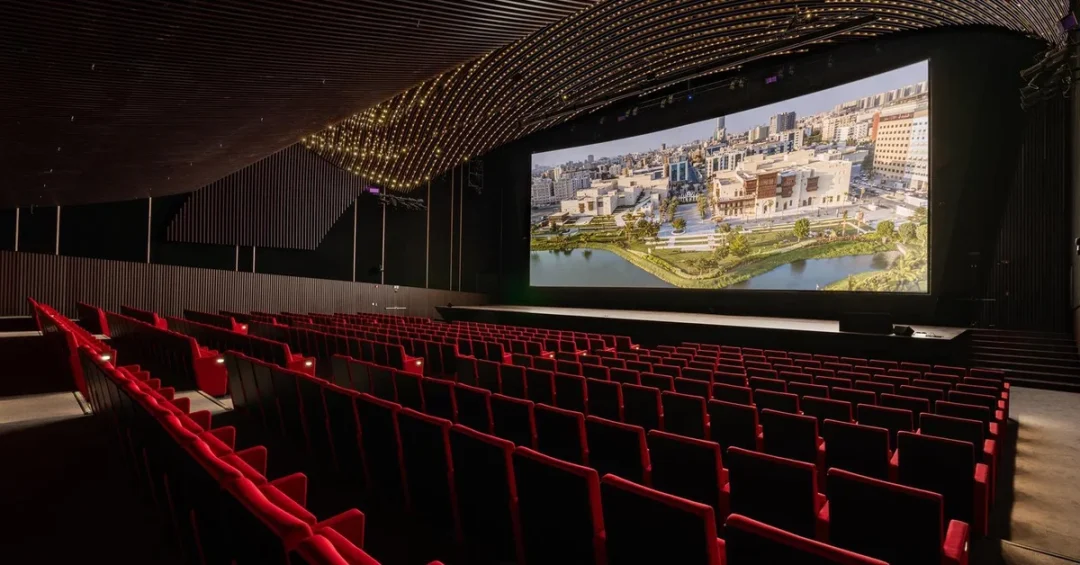
Could there be a more fitting venue for a festival that celebrates storytelling across borders than a district that has itself been a crossroads of civilizations for more than a millennium? The Culture Square, situated by Lake Al-Arbaeen, features cinema halls, a theater, and service facilities, alongside the teamLab Borderless Jeddah Art Museum, a digital art museum that has already become a landmark for immersive creative experiences. By transforming the square into a cultural destination while retaining the area’s architectural and cultural essence, the Jeddah Historic District Program is demonstrating how Saudi Arabia honors its past even as it builds a vibrant future. This initiative aligns directly with Saudi Vision 2030’s goal of establishing the historic district as a global cultural hub, and it signals the Kingdom’s growing role as a convenor of international creative talent.
Context and Background
How did Jeddah’s historic district become the stage for one of the region’s most anticipated film events? The Red Sea International Film Festival was launched in 2021 as part of a broader national effort to develop a thriving cultural economy under Vision 2030. From its inception, the festival was designed not merely as a screening event but as a platform for nurturing local and regional talent, facilitating international co-productions, and attracting global attention to Saudi Arabia’s rapidly expanding media landscape. The Jeddah Historic District Program, which operates under the Ministry of Culture, has been tasked with revitalizing the area known as Al-Balad—a district of coral-stone houses, ancient souqs, and historical mosques that was inscribed on the UNESCO World Heritage List in 2014.
The decision to host the fourth edition in Culture Square marks a significant evolution. Previous editions were held in more conventional festival venues, but this year’s move into the heart of the historic district underscores a deliberate strategy: to weave cultural events into the fabric of Saudi heritage sites, making them living spaces for contemporary expression rather than static monuments. The Culture Square itself is a product of this philosophy. It combines state-of-the-art cinema halls and a theater with the teamLab Borderless Jeddah Art Museum, creating a multi-disciplinary destination where film, digital art, and architecture converge. Lake Al-Arbaeen, with its scenic views, provides a natural backdrop that enhances the visitor experience, further positioning the district as a year-round cultural magnet.
What does this mean for the broader trajectory of Saudi Arabia’s cultural sector? It reflects a systematic approach to building an ecosystem—one that includes film production incentives, training programs, and infrastructure—that can sustain a vibrant industry long after the festival lights dim. The Ministry of Culture has been instrumental in this effort, overseeing not only the festival but also initiatives such as the Red Sea Fund, which supports Arab and African filmmakers, and the Saudi Film Commission, which promotes local production. By anchoring the festival in a heritage site, the Kingdom is also making a statement about the inseparability of tradition and modernity in its national story.
Key Details of the Fourth Edition
The numbers alone tell a compelling story of growth and global reach. With 120 films from 81 countries, the 2024 edition will showcase an unprecedented diversity of voices. The 48 world premieres indicate that the festival has become a preferred launchpad for filmmakers seeking international visibility. The inclusion of 66 Arab movies and 34 Saudi films highlights the festival’s dual commitment to regional representation and the development of a robust domestic film industry. Additionally, 54 short films and 63 feature films will be screened across various sections, ensuring a rich program that caters to a wide range of cinematic tastes and artistic sensibilities.
Can a festival of this scale truly serve as a catalyst for an entire industry? The presence of 36 filmmakers competing for awards suggests a competitive yet collaborative environment that rewards excellence. Meanwhile, the Red Sea Souk Project Market will feature 38 outstanding film and television projects, providing a crucial platform for creators to connect with producers, financiers, and distributors. This market component is where deals are made and careers are launched, transforming the festival from a showcase into a functioning marketplace for content. The Souk also includes workshops, panels, and networking events, all designed to build capacity within the Arab and Saudi film communities.
What kind of stories will emerge from this year’s lineup? While the full program has yet to be revealed, the emphasis on world premieres and Arab cinema suggests a curatorial focus on bold, original storytelling that challenges conventions and bridges cultural divides. Saudi filmmakers, in particular, are expected to present works that reflect the Kingdom’s rapid social and economic transformation, offering international audiences a nuanced view of contemporary life in Saudi Arabia. The festival’s theme, “The New Home of Film,” reinforces the idea that Jeddah—and by extension, Saudi Arabia—is now a permanent home for cinematic art, not just a temporary host.
International and Regional Impact
How does the Red Sea International Film Festival reshape perceptions of Saudi Arabia on the global stage? By attracting filmmakers, journalists, and industry executives from around the world, the festival serves as a powerful soft-power tool. It allows the Kingdom to showcase its cultural openness, its modern infrastructure, and its commitment to fostering creativity. International guests will experience firsthand the blend of ancient and modern that defines Jeddah, potentially becoming ambassadors for Saudi Arabia’s cultural renaissance. The festival also strengthens ties with countries across Asia, Africa, and Europe, creating opportunities for co-productions and cultural exchange that extend well beyond the ten-day event.
Regionally, the festival positions Saudi Arabia as a leader in the Middle East’s creative economy. Competing with established events in Cairo, Dubai, and Marrakech, the Red Sea International Film Festival has quickly carved out a distinct identity by focusing on Arab and African talent while maintaining a global outlook. Its location in a UNESCO World Heritage site gives it a unique selling point that no other festival can match. For Arab filmmakers, the festival offers a rare chance to present their work to international audiences and to access funding and distribution networks that are often difficult to penetrate. For Saudi filmmakers, it is a homecoming of sorts—a validation of their craft and a signal that the Kingdom is serious about building a sustainable film industry.
Economic and Strategic Significance
What economic ripple effects can a festival of this magnitude generate? The influx of visitors—filmmakers, critics, journalists, and tourists—will boost local businesses, from hotels and restaurants to retail and transportation. The Jeddah Historic District Program has been revitalizing the area with new hospitality offerings, and the festival will serve as a showcase for these investments. Beyond immediate spending, the event contributes to the growth of the creative economy, which Vision 2030 identifies as a key pillar of diversification. By nurturing film production, Saudi Arabia can create jobs, attract foreign investment, and export its cultural products, reducing reliance on oil revenues.
Strategically, the festival supports the Kingdom’s goal of becoming a global hub for culture and entertainment. It complements other major initiatives, such as the Red Sea Film Fund, the Saudi Film Commission, and the planned film studio complexes in NEOM and AlUla. Together, these efforts are building an integrated ecosystem that can sustain filmmaking from script to screen. The festival also enhances Saudi Arabia’s tourism appeal, drawing visitors who might not otherwise consider the Kingdom as a leisure destination. By pairing the festival with the historic district’s attractions—museums, heritage sites, and waterfront promenades—the organizers are creating a compelling reason for international travelers to extend their stay and explore more of the country.
Vision 2030 Alignment
How does the Red Sea International Film Festival embody the aspirations of Saudi Vision 2030? At its core, Vision 2030 seeks to transform Saudi Arabia into a diversified, knowledge-based economy with a vibrant society and an ambitious nation. Culture and entertainment are explicitly recognized as drivers of both economic growth and social well-being. The festival, by celebrating film and fostering creativity, contributes to the Quality of Life Program, one of Vision 2030’s key realization programs. It also supports the National Culture Strategy, which aims to preserve heritage while promoting contemporary cultural expression. The decision to host the event in the Jeddah Historic District is a perfect illustration of this dual mandate—honoring the past while embracing the future.
Moreover, the festival advances Saudi Arabia’s international engagement. By welcoming the world to Jeddah, the Kingdom demonstrates its openness and its willingness to participate in global cultural dialogues. It showcases the progress made in empowering women and youth, who are increasingly visible in the Saudi film industry as directors, producers, and actors. The presence of 34 Saudi films in the program is a testament to the talent that has emerged in recent years, supported by targeted investments in education and training. As the festival grows, it will continue to amplify Saudi voices and stories, enriching the global cinematic landscape while reinforcing the Kingdom’s position as a cultural leader in the region and beyond. The fourth edition of the Red Sea International Film Festival is more than an event; it is a milestone on Saudi Arabia’s journey toward a future where creativity and heritage thrive together.
20 Questions
Q1. When will the fourth edition of the Red Sea International Film Festival take place?
A1. The fourth edition of the Red Sea International Film Festival will be held from December 5 to 14, 2024, in Jeddah, Saudi Arabia.
Q2. Where will the festival be hosted this year?
A2. For the first time, the festival will take place in the Culture Square of the Jeddah Historic District, a UNESCO World Heritage site.
Q3. What is the theme of the 2024 festival?
A3. The theme is “The New Home of Film,” reflecting Jeddah’s emergence as a permanent hub for cinematic arts.
Q4. How many films will be screened at the festival?
A4. A total of 120 films from 81 countries will be screened, including 48 world premieres, 66 Arab movies, 34 Saudi films, 54 short films, and 63 feature films.
Q5. What is the Culture Square?
A5. Culture Square is a cultural landmark in the Jeddah Historic District featuring cinema halls, a theater, service facilities, and the teamLab Borderless Jeddah Art Museum.
Q6. Which organization is hosting the festival?
A6. The Jeddah Historic District Program, affiliated with the Ministry of Culture, is hosting the fourth edition of the festival.
Q7. What is the Red Sea Souk Project Market?
A7. The Red Sea Souk Project Market is a platform featuring 38 outstanding film and television projects, connecting creators with industry professionals.
Q8. How many filmmakers are competing for awards?
A8. A total of 36 filmmakers will vie for awards at this year’s festival.
Q9. What is the significance of hosting the festival in the historic district?
A9. It highlights Saudi Arabia’s commitment to preserving heritage while promoting cultural creativity, aligning with Vision 2030’s goal to establish the area as a global cultural hub.
Q10. What is teamLab Borderless Jeddah?
A10. It is a digital art museum located in Culture Square, offering immersive art experiences that complement the festival’s creative atmosphere.
Q11. How does the festival support Saudi Vision 2030?
A11. It contributes to economic diversification, promotes cultural exchange, and enhances quality of life, all key objectives of Vision 2030.
Q12. What is the Red Sea Fund?
A12. The Red Sea Fund supports Arab and African filmmakers by providing financial backing for film projects, fostering regional talent.
Q13. How many Saudi films are featured this year?
A13. There are 34 Saudi films in the program, showcasing the growth of the Kingdom’s film industry.
Q14. What is the Jeddah Historic District?
A14. Also known as Al-Balad, it is a UNESCO World Heritage site known for its coral-stone architecture, historic mosques, and traditional souqs.
Q15. What economic benefits does the festival bring?
A15. It boosts local businesses, creates jobs, attracts foreign investment, and supports the growth of the creative economy in Saudi Arabia.
Q16. How many world premieres will be shown?
A16. The festival will host 48 world premieres, offering filmmakers a global launchpad for their work.
Q17. What is the role of the Ministry of Culture in the festival?
A17. The Ministry of Culture oversees the Jeddah Historic District Program and supports the festival as part of its mission to promote cultural development.
Q18. How does the festival promote Arab cinema?
A18. By screening 66 Arab movies and providing a marketplace for projects, the festival amplifies Arab voices and facilitates international collaborations.
Q19. What can visitors expect at the festival?
A19. Visitors can enjoy a diverse film program, attend premieres, participate in industry events, and explore the historic district’s cultural attractions.
Q20. What is the long-term vision for the festival?
A20. The festival aims to establish Saudi Arabia as a global cultural hub, nurturing local talent and fostering international cultural exchange in line with Vision 2030.
Reader Feedback
We value your thoughts. Please share your feedback on this article.
Your feedback helps us improve our coverage.