


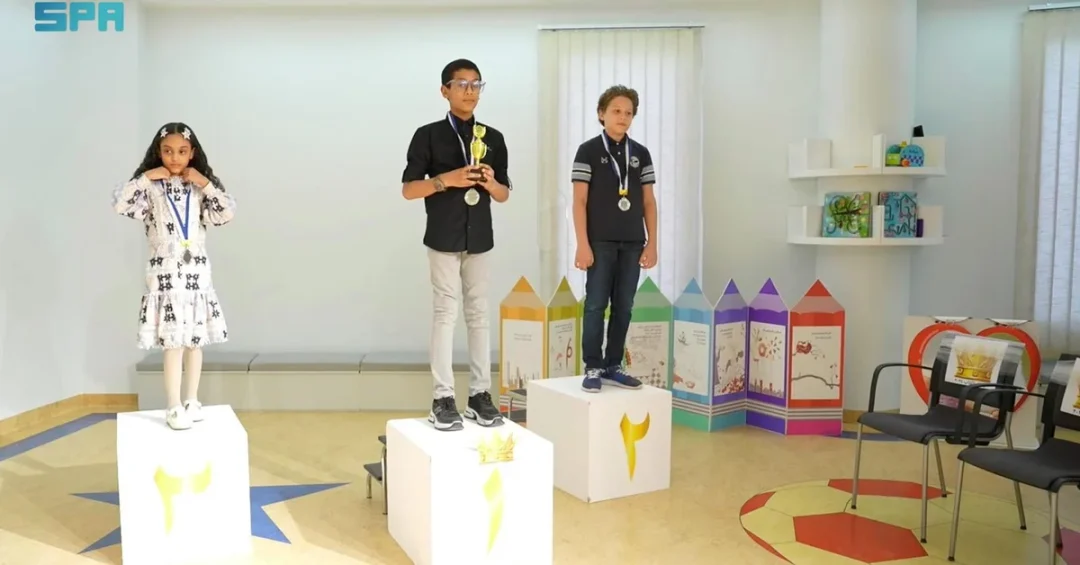
The King Abdulaziz Public Library in Riyadh has successfully concluded its annual summer Reading Olympiad, a month-long event that drew 1,147 children and their families, who collectively read over 21,720 pages from 913 books. The initiative, announced by the Saudi Press Agency, underscores the Kingdom’s commitment to fostering a culture of reading and lifelong learning among its youth, aligning with the broader goals of Saudi Vision 2030.
Context and Background
The Reading Olympiad is a flagship program of the King Abdulaziz Public Library, designed to make productive use of the school summer break by engaging children in educational and enriching activities. By encouraging participants to explore a diverse range of books—including children’s stories, as well as educational, artistic, historical, and cultural titles—the Olympiad aims to develop linguistic and cognitive skills, enhance academic performance, and broaden knowledge. The event reflects the Library’s ongoing mission to promote reading as a cornerstone of personal and national development.
Key Details
During the month-long Olympiad, 1,147 children of various ages participated, reading a total of 21,720 pages from 913 books. The program was widely praised by parents and educational institutions for its vital role in promoting reading among young generations. A closing ceremony was held to honor the children who read the most books, recognizing their outstanding efforts in reading and absorbing the information presented. The event not only celebrated individual achievement but also highlighted the collective impact of community engagement in education.
Implications and Impact
The success of the Reading Olympiad demonstrates the effectiveness of interactive and incentive-based learning programs in cultivating a love for reading. By targeting children during their summer break, the initiative helps combat learning loss and instills a habit of reading that can last a lifetime. For Saudi Arabia, such programs are essential in building a knowledge-based economy and a well-educated workforce. The involvement of families and educational institutions further strengthens the social fabric and promotes community participation in educational endeavors.
Vision 2030 Alignment
This initiative aligns closely with Saudi Vision 2030, which emphasizes the development of human capital through quality education and cultural enrichment. By nurturing young minds and promoting reading, the King Abdulaziz Public Library contributes to the Kingdom’s goal of creating a vibrant society and a diversified, knowledge-driven economy. As Saudi Arabia continues to invest in educational and cultural initiatives, programs like the Reading Olympiad will play a pivotal role in shaping the leaders of tomorrow and achieving the ambitious targets of Vision 2030.
20 Questions
Q1. What event did the King Abdulaziz Public Library conclude?
A1. The King Abdulaziz Public Library concluded its annual summer Reading Olympiad, a month-long event aimed at promoting reading among children.
Q2. How many children participated in the Reading Olympiad?
A2. A total of 1,147 children of various ages participated in the Reading Olympiad.
Q3. How many pages did the children read collectively?
A3. The children read over 21,720 pages collectively during the Olympiad.
Q4. How many books were read by the participants?
A4. The participants read from 913 books, including children’s stories and educational, artistic, historical, and cultural titles.
Q5. What is the main purpose of the Reading Olympiad?
A5. The main purpose is to foster a love of reading, develop linguistic and cognitive skills, and make productive use of the school summer break.
Q6. Who praised the Reading Olympiad?
A6. Parents and educational institutions widely praised the Olympiad for its vital role in promoting reading among young generations.
Q7. What was held to honor the children who read the most books?
A7. A closing ceremony was held to honor the children who read the most books, recognizing their outstanding efforts.
Q8. What types of books were included in the Olympiad?
A8. The books included children’s stories and educational, artistic, historical, and cultural titles.
Q9. How does the Reading Olympiad benefit children academically?
A9. By emphasizing reading skills and encouraging exploration of rich content, it enhances academic performance and broadens knowledge.
Q10. When did the Reading Olympiad take place?
A10. The Olympiad took place during the summer school break and concluded in September 2024, as reported by the Saudi Press Agency.
Q11. Where is the King Abdulaziz Public Library located?
A11. The King Abdulaziz Public Library is located in Riyadh, the capital of Saudi Arabia.
Q12. What skills does the Olympiad aim to develop?
A12. The Olympiad aims to develop linguistic and cognitive skills in children.
Q13. How does the Olympiad make use of the summer break?
A13. It makes productive use of the summer break by engaging children in reading and educational activities.
Q14. What is the significance of the Reading Olympiad for Saudi Arabia?
A14. It supports Saudi Vision 2030 by nurturing young minds, promoting education, and building a knowledge-based society.
Q15. Who organized the Reading Olympiad?
A15. The Reading Olympiad was organized by the King Abdulaziz Public Library in Riyadh.
Q16. What was the reaction of the community to the Olympiad?
A16. The community, including parents and educational institutions, reacted positively, praising its role in promoting reading.
Q17. How many books were read in total?
A17. The children read from 913 books in total during the Olympiad.
Q18. What is the long-term goal of such initiatives?
A18. The long-term goal is to cultivate a habit of reading, enhance human capital, and contribute to the Kingdom’s development.
Q19. What makes the Reading Olympiad unique?
A19. It combines reading with recognition, encouraging children to read more and celebrate their achievements.
Q20. How does the Olympiad reflect Saudi Arabia’s cultural values?
A20. It reflects the Kingdom’s commitment to education, knowledge, and community engagement, in line with Vision 2030.
Reader Feedback
We value your thoughts. Please share your feedback on this article.
Your feedback helps us improve our coverage.