


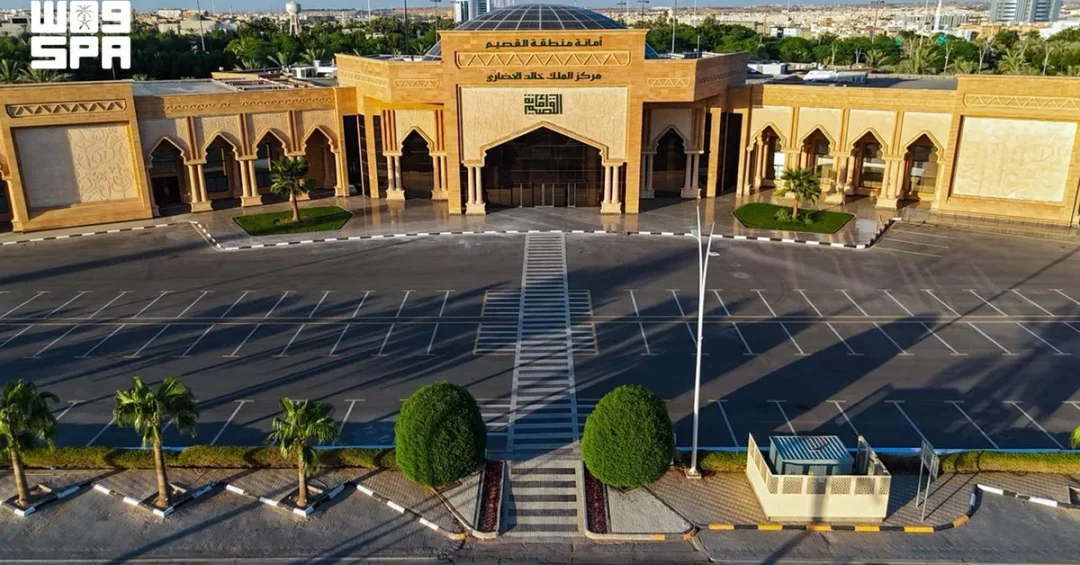
The King Khalid Cultural Center in Buraidah stands as a prominent cultural landmark in the Qassim Region, serving as a vibrant hub for events, festivals, exhibitions, and forums that bring together diverse segments of society. According to the Qassim Region Municipality, the center hosts a wide range of activities and programs that invigorate cultural and tourism activity while elevating Buraidah’s urban landscape. The facility, which features specialized halls and theaters, reflects Saudi Arabia’s broader commitment to nurturing cultural infrastructure as part of its national development strategy. Have you ever considered how a single cultural institution can reshape the social and economic life of an entire region?
The center’s role extends beyond mere entertainment. It provides an ideal environment for specialized events and professional gatherings, positioning Buraidah as a destination for cultural exchange and community engagement. Official spokesperson for the Qassim Region Municipality, Nayef Al-Nufai, emphasized that the municipality is committed to maximizing the utility of such cultural facilities, ensuring they serve the community effectively and align with residents’ aspirations. This approach underscores a systematic effort to integrate cultural development into urban planning and regional growth, a priority that resonates with Saudi Vision 2030’s quality-of-life objectives.
Context and Background
Why does a cultural center in the heart of Qassim matter on the national stage? The King Khalid Cultural Center was established to honor the legacy of King Khalid bin Abdulaziz Al Saud, whose reign from 1975 to 1982 was marked by significant investments in education, infrastructure, and social welfare. The center embodies that legacy by providing a permanent venue for artistic expression, intellectual dialogue, and community celebration. Located in Buraidah, the capital of Qassim Region, the center benefits from the city’s reputation as an agricultural and commercial hub, which has historically attracted visitors and residents alike.
The Qassim Region itself is known for its rich cultural heritage, including traditional crafts, poetry, and hospitality. The King Khalid Cultural Center complements these traditions by offering modern facilities that can accommodate contemporary forms of cultural expression, from theatrical performances to art exhibitions. According to the Qassim Region Municipality, the center is designed to host diverse events that cater to various interests and age groups, thereby fostering social cohesion and cultural enrichment. This aligns with the municipality’s broader strategy to enhance the quality of life for residents and visitors, a goal that is central to Saudi Arabia’s Vision 2030.
Moreover, the center’s existence reflects a nationwide trend in Saudi Arabia to invest in cultural infrastructure as a means of diversifying the economy and promoting tourism. The Kingdom has launched numerous cultural initiatives in recent years, including the establishment of the Ministry of Culture in 2018 and the development of world-class entertainment and cultural districts. The King Khalid Cultural Center in Buraidah is a local manifestation of this national movement, demonstrating how regional municipalities are actively contributing to the Kingdom’s cultural renaissance.
Facilities and Events
What makes the King Khalid Cultural Center a preferred venue for specialized events? The center boasts a range of facilities, including a main theater, exhibition halls, and multipurpose rooms, all equipped to host a variety of functions. These spaces are used for cultural festivals, art exhibitions, book fairs, and professional conferences. The center’s adaptable design allows it to accommodate both large-scale gatherings and intimate workshops, ensuring that it remains a versatile asset for the community. The Qassim Region Municipality has highlighted that the center is not merely a building but a dynamic space that evolves with the needs of its users.
In addition to hosting events, the center plays a role in nurturing local talent. It provides a platform for artists, writers, and performers from Qassim and beyond to showcase their work. By doing so, it contributes to the growth of the creative economy in the region, which is a key pillar of Vision 2030. The center also collaborates with educational institutions, such as Qassim University, to offer workshops and seminars that enhance cultural awareness and skills development. These partnerships ensure that the center’s impact extends beyond its walls and into the broader community.
Furthermore, the center’s calendar is filled with activities that celebrate both Saudi heritage and global culture. From traditional folk performances to contemporary art installations, the programming is designed to appeal to a wide audience. This diversity not only attracts local residents but also draws visitors from other regions, thereby boosting tourism in Qassim. The municipality’s commitment to maintaining a robust schedule of events is evident in its continuous efforts to upgrade facilities and promote the center’s offerings through various channels.
International and Regional Impact
How does a regional cultural center in Saudi Arabia resonate beyond its immediate locality? The King Khalid Cultural Center contributes to the Kingdom’s growing reputation as a global cultural destination. By hosting international exhibitions and forums, the center facilitates cross-cultural exchange and dialogue, which are essential in today’s interconnected world. It also serves as a symbol of Saudi Arabia’s openness and its willingness to engage with the global community, a message that is amplified by the Kingdom’s hosting of major events such as Expo 2030 and the FIFA World Cup 2034.
On a regional level, the center strengthens Qassim’s position as a cultural and tourism hub within Saudi Arabia. It complements other attractions in the region, such as the historic Al-Qassar village and the Al-Musawkaf traditional market, creating a comprehensive cultural experience for visitors. This integration of cultural and heritage tourism is a strategic priority for the Kingdom, as it seeks to increase the tourism sector’s contribution to GDP. The center’s activities also foster a sense of pride among residents, reinforcing their connection to both local traditions and national progress.
Economic and Strategic Significance
What economic benefits can a cultural center bring to a region? The King Khalid Cultural Center stimulates local economic activity by attracting visitors who spend on hospitality, retail, and transportation. It also creates jobs in event management, tourism, and the creative industries. According to the Qassim Region Municipality, the center’s operations are aligned with efforts to invigorate cultural and tourism activity, which in turn supports small businesses and entrepreneurs. This multiplier effect is a key reason why investments in cultural infrastructure are considered strategic in Saudi Arabia’s economic diversification plan.
Strategically, the center enhances Buraidah’s urban landscape and quality of life, making it a more attractive place to live, work, and visit. This aligns with Vision 2030’s goal of improving the livability of Saudi cities and fostering vibrant communities. The municipality’s focus on maximizing the utility of cultural facilities demonstrates a forward-thinking approach to urban development, where culture is not an afterthought but a central component of planning. By prioritizing such projects, Qassim Region is contributing to the Kingdom’s broader objective of building a diversified, knowledge-based economy.
Vision 2030 Alignment
How does the King Khalid Cultural Center embody the aspirations of Saudi Vision 2030? The center directly supports several Vision 2030 pillars, including the creation of a vibrant society, the development of a thriving economy, and the promotion of an ambitious nation. By providing a space for cultural and social activities, it enhances the quality of life for citizens and residents, which is a core objective of the Vision. It also supports economic diversification by boosting tourism and the creative sector, reducing reliance on oil revenues.
Looking ahead, the King Khalid Cultural Center is poised to play an even greater role in Qassim’s cultural landscape. The Qassim Region Municipality’s ongoing commitment to developing and promoting the center ensures that it will continue to serve as a beacon of cultural enrichment for generations to come. As Saudi Arabia continues its journey toward Vision 2030, institutions like this will be instrumental in showcasing the Kingdom’s rich heritage and its dynamic future. The center stands as a testament to the power of culture to unite communities, drive economic growth, and elevate national pride.
20 Questions
Q1. What is the King Khalid Cultural Center?
A1. The King Khalid Cultural Center is a prominent cultural landmark in Buraidah, Qassim Region, featuring halls and theaters that host diverse events, festivals, exhibitions, and forums.
Q2. Who is the official spokesperson for the Qassim Region Municipality?
A2. Nayef Al-Nufai is the official spokesperson for the Qassim Region Municipality, as stated in the source material.
Q3. What types of events does the center host?
A3. The center hosts cultural festivals, art exhibitions, book fairs, professional conferences, theatrical performances, and community gatherings.
Q4. How does the center serve the community?
A4. It provides a vibrant space for activities that bring together various segments of society, offering an ideal environment for specialized events and professional gatherings.
Q5. What is the municipality’s commitment regarding the center?
A5. The Qassim Region Municipality is committed to maximizing the utility of cultural facilities, ensuring they serve the community effectively and align with residents’ aspirations.
Q6. How does the center contribute to tourism?
A6. By hosting diverse events, the center attracts visitors from other regions, thereby invigorating cultural and tourism activity in Qassim and boosting the local economy.
Q7. What is the significance of the center’s location in Buraidah?
A7. Buraidah is the capital of Qassim Region, known for its agricultural and commercial heritage, making it a strategic location for a cultural hub that draws regional and international visitors.
Q8. How does the center align with Vision 2030?
A8. It supports Vision 2030 by enhancing quality of life, promoting cultural enrichment, boosting tourism, and contributing to economic diversification and a vibrant society.
Q9. Does the center host international events?
A9. Yes, the center can host international exhibitions and forums, facilitating cross-cultural exchange and enhancing Saudi Arabia’s global cultural presence.
Q10. What facilities are available at the center?
A10. The center features a main theater, exhibition halls, and multipurpose rooms equipped to host a variety of cultural and professional functions.
Q11. How does the center support local talent?
A11. It provides a platform for artists, writers, and performers to showcase their work, contributing to the growth of the creative economy in the region.
Q12. What is the role of the Qassim Region Municipality?
A12. The municipality oversees the center’s operations, ensures its facilities are well-maintained, and promotes its programs to maximize community benefit.
Q13. How does the center enhance Buraidah’s urban landscape?
A13. As a modern architectural landmark, the center elevates the city’s visual appeal and serves as a focal point for cultural and social activities.
Q14. Are there educational partnerships associated with the center?
A14. The center collaborates with institutions like Qassim University to offer workshops and seminars that enhance cultural awareness and skills development.
Q15. What economic impact does the center have?
A15. It stimulates local economic activity by attracting visitors who spend on hospitality, retail, and transportation, and creates jobs in event management and tourism.
Q16. How does the center preserve Saudi heritage?
A16. It hosts traditional performances and exhibitions that celebrate Saudi heritage, ensuring cultural traditions are passed on to future generations.
Q17. What is the center’s role in social cohesion?
A17. By bringing together diverse segments of society, the center fosters social cohesion and mutual understanding among residents and visitors.
Q18. Is the center accessible to all age groups?
A18. Yes, its programming is designed to cater to various interests and age groups, ensuring inclusivity and broad community engagement.
Q19. How does the center promote cultural exchange?
A19. Through international exhibitions and forums, it facilitates dialogue and exchange between Saudi and global cultures, enriching the local cultural scene.
Q20. What is the future outlook for the center?
A20. The center is expected to continue expanding its offerings and impact, supported by the municipality’s commitment to cultural development and Vision 2030 goals.
Reader Feedback
We value your thoughts. Please share your feedback on this article.
Your feedback helps us improve our coverage.