


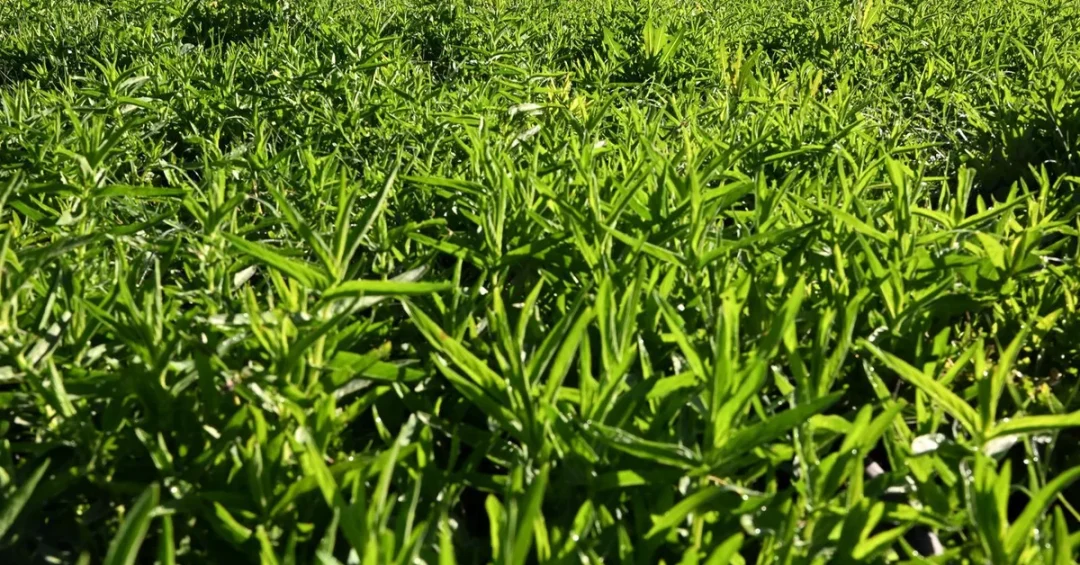
In a significant cultural achievement, the Culinary Arts Commission has documented 35 products from the Madinah region on the global “Ark of Taste” map, a global catalog established by the international Slow Food organization. This initiative, announced on August 15, 2026, via the Saudi Press Agency, places these products among 180 entries from Saudi Arabia, recognizing their heritage value and supporting local producers.
Context and Background
The “Ark of Taste” is a prestigious international registry that aims to preserve food heritage by cataloging traditional products that are at risk of disappearing. By including Madinah’s offerings, Saudi Arabia underscores its commitment to safeguarding its culinary legacy and promoting biodiversity. The initiative aligns with the Kingdom’s broader cultural preservation efforts under Vision 2030, which seeks to highlight Saudi heritage on the world stage.
Key Details
The list of documented products includes a diverse range of local staples such as Ayas wheat, Barhi dates (Ayas), Hasawi mint (Habak), Faqra mountain honey, Madinah Hummati, Sharik bread, Basham, Madinah cabbage, and Madinah Sidr fruit. These products reflect the region’s rich agricultural and culinary traditions, passed down through generations.
Implications and Impact
This recognition enhances the international profile of Saudi Arabia’s traditional foods, boosting tourism and economic opportunities for local producers. It also fosters cultural exchange, as these products join a global network that values heritage and sustainability. The move is expected to encourage further documentation and preservation efforts across the Kingdom, strengthening its position as a custodian of Arab culinary heritage.
Vision 2030 Alignment
The inclusion of Madinah’s products in the “Ark of Taste” directly supports Vision 2030’s goals of preserving national identity and promoting cultural heritage. By elevating these traditional foods, the Kingdom not only safeguards its legacy but also creates new avenues for economic diversification and global engagement, showcasing the best of Saudi Arabia to the world.
20 Questions
Q1. What is the “Ark of Taste” initiative?
A1. The “Ark of Taste” is a global catalog established by the Slow Food organization to document and protect traditional food products at risk of disappearing, promoting biodiversity and supporting local producers worldwide.
Q2. Which Saudi body documented these products?
A2. The Culinary Arts Commission, a Saudi government entity, documented 35 products from the Madinah region for inclusion in the “Ark of Taste” catalog.
Q3. How many products from Saudi Arabia are included?
A3. A total of 180 products from Saudi Arabia are listed, with 35 from the Madinah region, highlighting the Kingdom’s rich culinary diversity.
Q4. What is the purpose of this documentation?
A4. The purpose is to preserve heritage foods, support local producers, raise awareness about traditional products, and ensure their sustainability for future generations.
Q5. Which products from Madinah are mentioned?
A5. Examples include Ayas wheat, Barhi dates, Hasawi mint, Faqra mountain honey, Madinah Hummati, Sharik bread, Basham, Madinah cabbage, and Madinah Sidr fruit.
Q6. Why is this significant for Madinah?
A6. It recognizes Madinah’s rich agricultural and culinary heritage, boosting its cultural and economic value, and promoting local products on an international platform.
Q7. How does this support Saudi Vision 2030?
A7. It aligns with Vision 2030’s goals of preserving national heritage, promoting cultural identity, and diversifying the economy through tourism and cultural initiatives.
Q8. What is the Slow Food organization?
A8. Slow Food is a global nonprofit founded in 1989 to prevent the disappearance of local food cultures and traditions, promote biodiversity, and support sustainable food systems.
Q9. When was this announcement made?
A9. The announcement was made on August 15, 2026, based on information from the Saudi Press Agency.
Q10. How does this benefit local producers?
A10. It provides global recognition, potentially increasing demand for their products, fostering economic growth, and encouraging preservation of traditional farming practices.
Q11. What types of products are included?
A11. The list includes grains, dates, herbs, honey, bread, vegetables, and fruits, reflecting the region’s diverse agricultural output.
Q12. Is this the first time Saudi products are listed?
A12. The article does not specify, but this initiative includes 180 products, indicating an ongoing effort to register Saudi heritage foods.
Q13. How does this enhance Saudi Arabia’s global cultural presence?
A13. It showcases the Kingdom’s rich food heritage to an international audience, positioning it as a custodian of Arab culinary traditions and a promoter of cultural exchange.
Q14. What role does the Culinary Arts Commission play?
A14. The Commission is responsible for documenting and promoting Saudi culinary arts, including identifying and registering heritage products for international recognition.
Q15. How can these products be accessed or purchased?
A15. While not specified, inclusion in the Ark of Taste often increases visibility, potentially leading to wider distribution and availability in markets and restaurants.
Q16. What is the significance of the Madinah region’s products?
A16. They are historically and culturally significant, reflecting centuries-old agricultural practices and food traditions unique to the region.
Q17. Does this initiative help in biodiversity conservation?
A17. Yes, by documenting and promoting traditional varieties, it encourages their cultivation, thereby preserving genetic diversity and ecological balance.
Q18. Are there any economic benefits for Saudi Arabia?
A18. Yes, it can boost agricultural exports, agritourism, and the restaurant sector, contributing to economic diversification goals.
Q19. How does this contribute to sustainable development?
A19. By supporting local producers and sustainable farming practices, it aligns with global sustainability goals and promotes long-term food security.
Q20. What are the next steps for these products?
A20. The products will likely be promoted through Slow Food networks, potentially leading to further recognition, marketing opportunities, and increased awareness among consumers and chefs worldwide.
Reader Feedback
We value your thoughts. Please share your feedback on this article.
Your feedback helps us improve our coverage.