


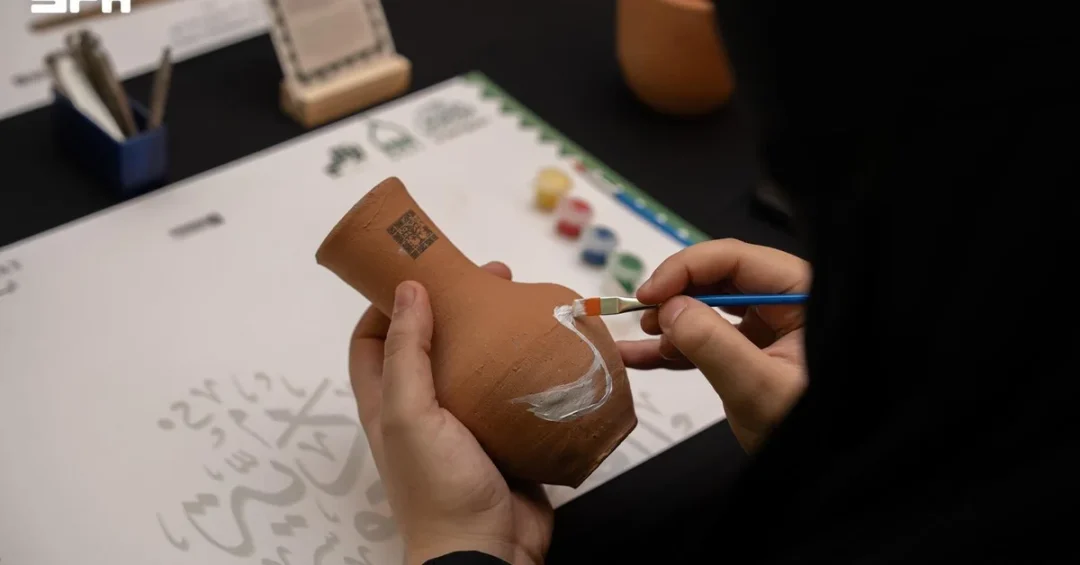
The International Fair and Museum of the Prophet’s Biography and Islamic Civilization at the Clock Tower in Makkah welcomed a large turnout of citizens, residents, and visitors on Saudi National Day, offering interactive displays and heritage workshops that celebrated the Kingdom’s cultural legacy and its historic role in serving the Two Holy Mosques. The events, reported by the Saudi Press Agency (SPA), highlighted how the museum uses smart technologies to introduce the Prophet’s guidance and Islamic history to a global audience. Have you ever wondered how a single venue can bring together faith, heritage, and modern innovation under one roof?
The turnout on September 24 underscored the deep connection between Saudi National Day and the Kingdom’s spiritual and cultural identity. Visitors of all ages participated in activities that ranged from copper engraving inspired by the currency of the First Saudi State to pottery workshops where they painted traditional ornaments and crafted ancient water storage vessels. The museum, located near the iconic Clock Tower in Makkah, has become a landmark for those seeking to understand the life and teachings of the Prophet Muhammad (peace be upon him) through immersive, technology-driven exhibits. As Saudi Arabia continues to open its doors to the world under Vision 2030, such events demonstrate how heritage can be both preserved and presented in dynamic new ways. Isn’t it remarkable how tradition and technology can work hand in hand to educate and inspire?
Context and Background
Why has the International Fair and Museum of the Prophet’s Biography and Islamic Civilization become such a significant destination in Makkah? Established as part of Saudi Arabia’s broader efforts to enrich the experience of pilgrims and visitors, the museum offers a comprehensive narrative of the Prophet’s life, Islamic civilization, and the Kingdom’s historical dedication to the Two Holy Mosques. Its location at the Clock Tower places it at the heart of Makkah’s bustling hospitality and religious tourism ecosystem, making it easily accessible to the millions who travel to the holy city each year. The museum’s mission aligns with the national vision of showcasing Islam’s moderate and tolerant message while providing educational and cultural enrichment.
The National Day celebrations at the museum are part of a wider pattern of cultural programming across Saudi Arabia. Each year, government ministries, state agencies, and recognized Saudi news authorities coordinate events that reflect national pride and the Kingdom’s forward-looking trajectory. The museum’s choice to host interactive heritage workshops during this period is particularly meaningful because it connects the nation’s founding story—represented by the First Saudi State’s currency and crafts—with contemporary aspirations. By engaging visitors in hands-on activities, the museum transforms passive observation into active learning, ensuring that the younger generation and international guests alike gain a tangible appreciation for Saudi heritage. How often do modern museums successfully bridge the gap between historical artifacts and living experience?
Moreover, the timing of these events during Saudi National Day reinforces the symbiotic relationship between the Kingdom’s religious leadership and its cultural diplomacy. The Two Holy Mosques have been a central pillar of Saudi identity since the nation’s unification, and the museum’s exhibits document the continuous expansion and care these sacred sites have received. Visitors are reminded that the Kingdom’s service to Islam is not only a matter of infrastructure but also of education and cultural exchange. This dual focus on spiritual and historical education positions the museum as a key player in Saudi Arabia’s soft power strategy, welcoming people from around the world to learn about Islamic civilization in an atmosphere of respect and wonder.
Key Details
What specific activities drew such wide engagement from visitors during the National Day events? According to the Saudi Press Agency, the museum organized heritage workshops that included copper engraving inspired by the currency of the First Saudi State. This particular craft resonated with participants because it offered a direct link to the economic and artistic heritage of the era that preceded the modern Kingdom. Skilled artisans guided visitors through the intricate process of engraving copper, allowing them to create their own pieces while learning about the historical context of the currency. The workshop not only preserved a traditional skill but also highlighted the sophistication of early Saudi craftsmanship.
In addition to copper engraving, a pottery workshop attracted significant attention. Participants painted traditional ornaments and crafted ancient water storage vessels, gaining insight into the daily life and ingenuity of past generations. The hands-on nature of these workshops encouraged families and young people to engage deeply with the material, fostering a sense of connection to their heritage. The museum’s use of smart technologies further enhanced the experience, with interactive displays that brought the Prophet’s biography and Islamic history to life through digital storytelling, augmented reality, and multimedia presentations. These tools made complex historical narratives accessible to a diverse international audience, including non-Arabic speakers.
The large turnout on National Day also reflected the museum’s growing reputation as a must-visit destination in Makkah. Citizens, residents, and visitors from various countries mingled in the exhibition halls, sharing in the celebratory atmosphere. The events were not merely entertainment; they served an educational purpose, deepening understanding of the Prophet’s guidance and the values of moderation and peace that underpin Islamic civilization. By integrating heritage crafts with modern technology, the museum created a multi-sensory experience that appealed to different learning styles and age groups. Could there be a more effective way to honor the past while embracing the future than through such immersive and inclusive programming?
International and Regional Impact
How do these cultural events in Makkah resonate beyond Saudi Arabia’s borders? For international visitors, particularly those from Muslim-majority countries, the museum offers an opportunity to connect with Islamic history in a setting that is both reverent and technologically advanced. The positive portrayal of Saudi Arabia’s cultural stewardship can enhance the Kingdom’s image as a destination that respects tradition while embracing modernity. Regional neighbors and global partners observe these initiatives as evidence of Saudi Arabia’s commitment to cultural diplomacy and its willingness to share its heritage with the world. The museum thus becomes a conduit for cross-cultural dialogue, helping to dispel misconceptions and build bridges of understanding.
In the broader Middle East, Saudi Arabia’s investment in cultural infrastructure and heritage programming sets a benchmark for other nations seeking to leverage their own historical assets for tourism and education. The Kingdom’s approach—combining state support, technological innovation, and community engagement—demonstrates how cultural institutions can contribute to economic diversification and social cohesion. The events at the Prophet’s Biography Museum also complement regional efforts to promote moderate Islam and counter extremism by presenting authentic, scholarly narratives of the Prophet’s life. As Saudi Arabia continues to host millions of pilgrims annually, such cultural offerings add depth to their journey, transforming a spiritual visit into a comprehensive educational experience. Isn’t it inspiring to see how cultural heritage can serve as a tool for regional harmony and global engagement?
Economic and Strategic Significance
What economic and strategic benefits flow from these heritage events? The museum’s activities contribute to Saudi Arabia’s growing cultural tourism sector, which is a key pillar of Vision 2030. By attracting both domestic and international visitors, the museum supports local businesses, creates employment opportunities, and stimulates spending in the hospitality and retail sectors around the Clock Tower area. The integration of smart technologies also showcases Saudi Arabia’s capabilities in digital innovation, potentially attracting further investment in the tech and creative industries. Moreover, the museum serves as a platform for small and medium enterprises, particularly artisans who can display and sell their crafts, thereby preserving traditional skills while generating income.
Strategically, the museum reinforces Saudi Arabia’s role as the custodian of Islamic heritage and the host of the Two Holy Mosques. This position is central to the Kingdom’s foreign policy and its soft power projection. By offering world-class cultural experiences, Saudi Arabia strengthens its appeal as a destination for religious and cultural tourism, which in turn supports the broader goals of economic diversification and international engagement. The National Day events also foster national pride and unity, reminding citizens of the Kingdom’s rich history and its promising future. As the museum continues to innovate and expand its programming, it will likely become an even more important asset in Saudi Arabia’s cultural and economic landscape. How could such a fusion of heritage and technology shape the future of tourism in the region?
Vision 2030 Alignment
How does the Prophet’s Biography Museum align with Saudi Arabia’s Vision 2030? The museum embodies several core objectives of the Vision, including the promotion of cultural heritage, the enhancement of the quality of life, and the diversification of the economy away from oil. By investing in cultural institutions and events, Saudi Arabia is creating new attractions that draw visitors and extend their stay, thereby increasing tourism’s contribution to GDP. The museum’s educational mission also supports the development of a knowledge-based society, encouraging learning and critical thinking about Islamic history and civilization. Furthermore, the use of smart technologies aligns with the Vision’s emphasis on digital transformation and innovation.
In the long term, the museum and similar initiatives will help cement Saudi Arabia’s reputation as a global leader in cultural preservation and presentation. They provide a model for how tradition and modernity can coexist, offering a blueprint for other sectors of the economy. As the Kingdom continues to implement Vision 2030, the Prophet’s Biography Museum stands as a testament to the nation’s commitment to honoring its past while building a dynamic and prosperous future. The National Day celebrations there were not just a moment of festivity but a reaffirmation of Saudi Arabia’s enduring values and its welcoming spirit toward the world. Isn’t it clear that such cultural investments are essential to the Kingdom’s journey toward a diversified and vibrant future?
20 Questions
Q1. What event took place at the International Fair and Museum of the Prophet’s Biography and Islamic Civilization on Saudi National Day?
A1. The museum hosted interactive heritage events, including workshops and exhibitions, attracting a large turnout of citizens, residents, and visitors to celebrate Saudi National Day and showcase the Kingdom’s cultural legacy.
Q2. Where is the museum located?
A2. It is situated at the Clock Tower in Makkah, placing it at the heart of the holy city’s hospitality and religious tourism area, easily accessible to pilgrims and visitors.
Q3. What kinds of activities were offered during the National Day events?
A3. Activities included heritage workshops such as copper engraving inspired by the First Saudi State’s currency, pottery painting of traditional ornaments, and crafting ancient water storage vessels, all engaging visitors interactively.
Q4. How did the museum use technology in its displays?
A4. The museum employed smart technologies and interactive displays to introduce the Prophet’s guidance and Islamic history, making the exhibits accessible and engaging for a diverse international audience.
Q5. Who attended the National Day events at the museum?
A5. The events attracted a large turnout of citizens, residents, and visitors, reflecting the museum’s broad appeal and its role as a cultural destination in Makkah.
Q6. What is the significance of the copper engraving workshop?
A6. The copper engraving workshop was inspired by the currency of the First Saudi State, offering participants a hands-on connection to the economic and artistic heritage of the era preceding the modern Kingdom.
Q7. What did the pottery workshop involve?
A7. The pottery workshop allowed participants to paint traditional ornaments and craft ancient water storage vessels, providing insight into the daily life and craftsmanship of past generations in the region.
Q8. How does the museum contribute to Saudi Arabia’s cultural preservation efforts?
A8. By hosting workshops and interactive exhibits, the museum preserves traditional crafts and narratives, ensuring that Saudi heritage is passed on to future generations and shared with international visitors.
Q9. What role does the museum play in Saudi National Day celebrations?
A9. The museum serves as a venue for National Day activities that highlight Saudi Arabia’s cultural and heritage legacy, reinforcing national pride and the Kingdom’s historical service to the Two Holy Mosques.
Q10. How does the museum align with Vision 2030?
A10. It supports Vision 2030 by promoting cultural tourism, enhancing quality of life, diversifying the economy, and leveraging digital innovation to present Islamic history and heritage in engaging ways.
Q11. What is the museum’s educational mission?
A11. The museum aims to educate visitors about the Prophet’s biography and Islamic civilization through immersive, technology-driven exhibits, fostering a deeper understanding of moderate Islam and its values.
Q12. How does the museum cater to international visitors?
A12. The museum uses smart technologies, multimedia presentations, and multilingual content to make Islamic history accessible to non-Arabic speakers, ensuring a welcoming experience for global audiences.
Q13. What impact do such events have on Makkah’s local economy?
A13. They stimulate local businesses, create employment, and support artisans by attracting visitors who spend in hospitality, retail, and cultural sectors, contributing to economic growth in the region.
Q14. How does the museum reflect Saudi Arabia’s role as custodian of the Two Holy Mosques?
A14. Through exhibits documenting the Kingdom’s historical efforts to serve the Two Holy Mosques, the museum reinforces Saudi Arabia’s dedication to protecting and enhancing these sacred sites for pilgrims.
Q15. What makes the museum’s approach to heritage unique?
A15. Its integration of traditional crafts with cutting-edge smart technologies creates a multi-sensory, interactive experience that appeals to diverse learning styles and age groups, bridging past and present.
Q16. How might the museum influence cultural tourism in Saudi Arabia?
A16. By offering a world-class cultural experience, the museum can attract more international visitors, extend their stay, and encourage repeat visits, thereby boosting the cultural tourism sector.
Q17. What message does the museum convey about Islam?
A17. It presents the Prophet’s guidance and Islamic history in a manner that emphasizes moderation, tolerance, and peace, aligning with Saudi Arabia’s promotion of a balanced and respectful understanding of the faith.
Q18. How does the museum engage young people?
A18. Through hands-on workshops, interactive displays, and digital storytelling, the museum captures the interest of younger generations, making history and heritage relevant and exciting for them.
Q19. What future developments might be expected at the museum?
A19. As part of Vision 2030, the museum may expand its technological offerings, host more international exhibitions, and further integrate educational programs to enhance its role as a cultural hub.
Q20. Why is the museum’s National Day programming important for Saudi Arabia’s global image?
A20. It showcases the Kingdom’s commitment to preserving and sharing its heritage, demonstrating a forward-looking nation that values culture, education, and international engagement, thereby enhancing its global reputation.
Reader Feedback
We value your thoughts. Please share your feedback on this article.
Your feedback helps us improve our coverage.
Related articles
 Khairat Al-Baha Festival concludes fifth edition
 ROSHN Group celebrates Saudi National Day in Riyadh
 Haql celebrates National Day with camel and horse parades
 Red Sea Museum Celebrates Saudi National Day
 Haql Celebrates National Day with Camel and Horse Parades
 Al-Baha Calligraphy Exhibition Records SAR100,700 in Sales