


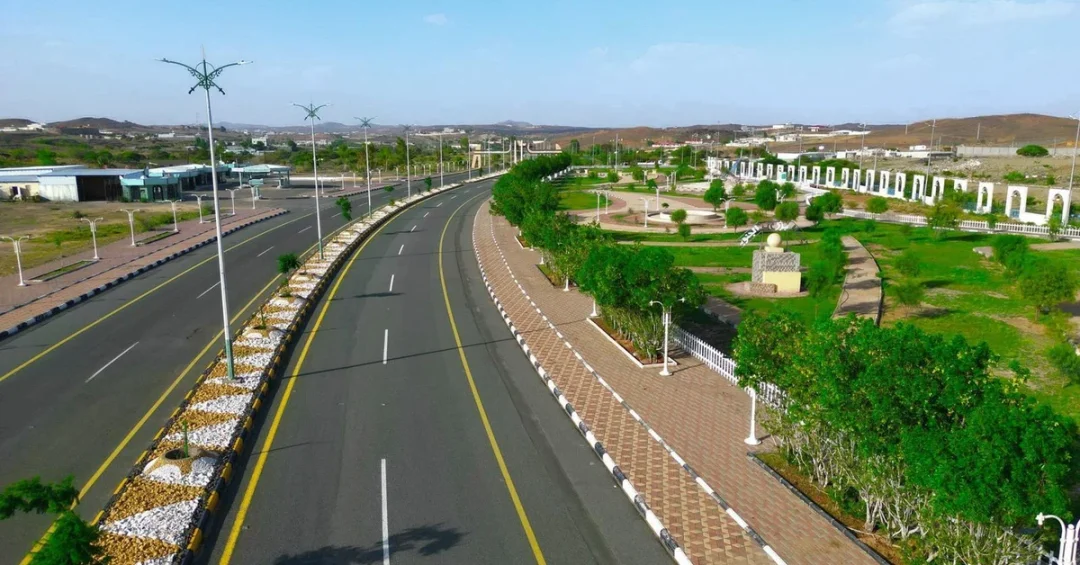
On the occasion of Saudi National Day, the Najran Region has reaffirmed its position as a living testament to the Kingdom of Saudi Arabia’s historic journey of unification and nation-building, with its heritage villages, traditional markets, and thriving agricultural sector standing as enduring symbols of the nation’s cultural depth and forward momentum. The region, located in the southwest of the Kingdom, continues to preserve its unique architectural and cultural identity while contributing actively to Saudi Arabia’s broader trajectory of prosperity and modernization under Vision 2030.
Information released via official Saudi channels, including the Saudi Press Agency (SPA), highlights how Najran’s historical landmarks bear witness to the Kingdom’s unification journey, reflecting a heritage that remains deeply intertwined with the national story. From ancient palaces to bustling traditional markets, the region showcases the ingenuity of its people and their ability to harness local resources in ways that continue to inspire. As the Kingdom celebrates its National Day, Najran stands as a vivid example of how heritage and development can coexist and reinforce one another, a principle at the heart of Saudi Arabia’s long-term strategic vision.
Context and Background
How does a region’s ancient past shape its modern identity? For Najran, the answer lies in the layers of history that define its landscape. The region is home to heritage villages renowned for their ancient palaces and structures, which capture a distinctive era in its past and have shaped its architectural and cultural identity. These sites are not merely relics; they are living records of the ingenuity of the people of Najran and their expertise in making use of locally available resources. The Kingdom’s unification journey, which culminated in the establishment of the modern Saudi state, is reflected in these landmarks, which serve as physical reminders of the resilience and unity that have defined the nation.
Najran’s strategic location near the southern border has historically made it a crossroads for trade and cultural exchange, enriching its heritage with diverse influences while maintaining a distinct Saudi character. The region’s traditional markets further enrich its cultural fabric, showcasing crafts that have preserved their authenticity and distinctive character for generations. Among these are leatherwork, pottery, dagger-making, silver craftsmanship, and traditional jewelry, each representing a skill passed down through the ages. These markets are not just commercial hubs; they are repositories of intangible cultural heritage that sustain local livelihoods and attract visitors interested in experiencing authentic Saudi traditions.
In the agricultural sector, Najran possesses a wealth of environmental, natural, and geographical assets that set it apart. A temperate climate, fertile soil, and abundant water resources allow the region to produce a wide variety of crops that support food security and contribute to the local economy. Citrus fruits, grains, and various fruits and vegetables are among its most notable outputs. This agricultural strength is a key component of the region’s identity and its contribution to the national economy, aligning with Saudi Arabia’s broader goals of economic diversification and self-sufficiency.
Key Details
What makes Najran’s heritage villages so significant in the national narrative? These villages, with their ancient palaces and structures, are architectural marvels that reflect a deep understanding of the environment. Built using locally available materials, they demonstrate sustainable construction methods that predate modern green building concepts. The design of these structures often includes defensive features, intricate decorative elements, and efficient cooling systems suited to the region’s climate. They stand as a testament to the craftsmanship and resourcefulness of the people of Najran, whose skills have been passed down through generations.
The traditional markets of Najran are another key detail in the region’s cultural tapestry. These souqs offer a sensory experience, with the scent of spices, the sound of artisans at work, and the sight of colorful textiles and handicrafts. Leatherwork, pottery, and dagger-making are particularly notable, with each craft having its own history and techniques. Silver craftsmanship and traditional jewelry are also highly valued, often featuring intricate designs that reflect local motifs and symbols. These markets serve as economic engines for local artisans and as cultural attractions that draw visitors from across the Kingdom and beyond, contributing to the growth of domestic tourism.
Agriculture remains a cornerstone of Najran’s economy and a key element of its identity. The region’s temperate climate and fertile soil allow for the cultivation of a diverse range of crops, with citrus fruits being a standout product. Grains and various fruits and vegetables further enhance the region’s agricultural output. This productivity not only supports local food security but also contributes to the national economy, reducing reliance on imports and strengthening Saudi Arabia’s resilience in food supply chains. The region’s agricultural success is a direct result of its natural endowments and the careful stewardship of its people.
International and Regional Impact
How does Najran’s development resonate beyond the Kingdom’s borders? The region’s cultural heritage and agricultural products have the potential to enhance Saudi Arabia’s soft power and international standing. As the Kingdom opens up to the world through initiatives like Vision 2030, regions like Najran become ambassadors of Saudi culture and hospitality. International tourists and investors are increasingly drawn to destinations that offer authentic experiences, and Najran’s heritage villages and traditional markets are well-positioned to attract this interest. The preservation of these sites aligns with global trends in sustainable tourism and cultural heritage conservation, making Najran a compelling case study for other regions in the Middle East and beyond.
Regionally, Najran’s stability and prosperity contribute to the security and economic integration of the southern border area. The region’s agricultural output supports food security not only for Saudi Arabia but also potentially for neighboring countries through trade. Its cultural festivals and heritage events foster cross-border cultural exchange and understanding. By investing in its heritage and infrastructure, Najran reinforces Saudi Arabia’s role as a stabilizing and developmental force in the region. The region’s progress is a microcosm of the Kingdom’s broader efforts to balance tradition with modernity, a model that resonates with many nations navigating similar challenges.
Economic and Strategic Significance
What economic opportunities does Najran’s unique blend of heritage and agriculture unlock? The region’s traditional crafts and agricultural products form the basis of a diversified local economy. Artisanal goods such as leatherwork, pottery, and jewelry can be marketed as premium, culturally significant products, both domestically and internationally. The growth of cultural tourism, driven by heritage villages and markets, creates jobs in hospitality, retail, and transportation. These economic activities are often labor-intensive and community-based, ensuring that the benefits of development are widely shared. Moreover, the region’s agricultural sector provides a stable source of income for many families and contributes to the national GDP.
Strategically, Najran’s development is integral to Saudi Arabia’s Vision 2030, which aims to diversify the economy away from oil dependence. By leveraging its cultural and natural assets, Najran can attract investment in tourism, agribusiness, and creative industries. The region’s heritage sites can be developed into world-class destinations, while its agricultural products can be branded and exported. These efforts align with the Public Investment Fund’s (PIF) strategies to boost non-oil sectors. Furthermore, the region’s stability and economic vitality are crucial for national security, as they reinforce the Kingdom’s southern frontier and promote social cohesion. Najran’s progress exemplifies how local initiatives can drive national transformation.
Vision 2030 Alignment
How does Najran’s journey mirror the aspirations of Vision 2030? The Vision, launched by His Royal Highness Crown Prince Mohammed bin Salman, seeks to create a vibrant society, a thriving economy, and an ambitious nation. Najran’s commitment to preserving its heritage while embracing development directly supports the goal of a vibrant society by celebrating cultural identity and promoting tourism. The region’s agricultural productivity and artisanal crafts contribute to a thriving economy by diversifying income sources and creating jobs. And its forward-looking approach, balancing tradition with modernity, embodies the ambitious spirit of the nation. As Saudi Arabia advances toward 2030, Najran stands as a shining example of how every region can play a role in the Kingdom’s success.
In conclusion, Najran’s cultural heritage and development are not just local matters; they are national treasures that reflect the Kingdom’s journey and its bright future. On this National Day, as Saudi Arabia celebrates its unification and progress, Najran’s heritage villages, traditional markets, and agricultural abundance remind us of the enduring values that have shaped the nation. The region continues to advance its contributions to the nation’s journey of prosperity, preserving its rich history and heritage while embracing a dynamic present and a promising future. Through its efforts, Najran exemplifies the spirit of Vision 2030 and the timeless strength of Saudi Arabia.
20 Questions
Q1. What is the significance of Najran’s heritage villages?
A1. Najran’s heritage villages feature ancient palaces and structures that reflect the region’s architectural and cultural identity, showcasing the ingenuity of its people and their use of local resources. They stand as living records of Saudi Arabia’s unification journey and enduring heritage.
Q2. How do traditional markets contribute to Najran’s cultural fabric?
A2. Traditional markets in Najran showcase crafts such as leatherwork, pottery, dagger-making, silver craftsmanship, and jewelry, preserving authenticity and supporting local artisans. They enrich the region’s cultural fabric and attract visitors, boosting cultural tourism.
Q3. What agricultural products is Najran known for?
A3. Najran produces a wide variety of crops, most notably citrus fruits, grains, and various fruits and vegetables, thanks to its temperate climate, fertile soil, and abundant water resources. These support food security and the local economy.
Q4. How does Najran reflect Saudi Arabia’s unification journey?
A4. Najran’s historical landmarks bear witness to the Kingdom’s unification and nation-building, embodying the region’s deep-rooted heritage and enduring connection to Saudi Arabia’s history. They symbolize the resilience and unity of the nation.
Q5. What role does Najran play in Saudi Arabia’s food security?
A5. Najran’s agricultural output, including citrus, grains, and vegetables, contributes to national food security by reducing import reliance and strengthening supply chains. Its fertile land and water resources make it a key agricultural region.
Q6. How is Najran preserving its traditional crafts?
A6. Najran preserves traditional crafts through its markets, where artisans continue to practice leatherwork, pottery, dagger-making, silver craftsmanship, and jewelry-making. These skills are passed down through generations, maintaining authenticity and cultural value.
Q7. What makes Najran’s climate suitable for agriculture?
A7. Najran’s temperate climate, fertile soil, and abundant water resources create ideal conditions for diverse crops. This agricultural wealth supports the local economy and contributes to Saudi Arabia’s broader economic diversification goals.
Q8. How does Najran contribute to Vision 2030?
A8. Najran contributes to Vision 2030 by preserving heritage, promoting cultural tourism, and boosting agricultural productivity. These efforts align with the goals of a vibrant society, thriving economy, and ambitious nation, driving sustainable development.
Q9. What are the economic benefits of Najran’s heritage sites?
A9. Najran’s heritage sites attract tourists, create jobs in hospitality and retail, and support local artisans. They also enhance the region’s brand as a cultural destination, driving investment and economic growth in line with Vision 2030.
Q10. How does Najran balance heritage and modernization?
A10. Najran balances heritage and modernization by preserving its historical sites and crafts while embracing development in agriculture, tourism, and infrastructure. This approach ensures cultural continuity alongside economic progress, reflecting the Kingdom’s broader strategy.
Q11. What is the significance of Najran’s traditional jewelry?
A11. Traditional jewelry in Najran features intricate designs reflecting local motifs and cultural symbols. It represents a cherished craft that has preserved its authenticity, contributing to the region’s cultural identity and offering economic opportunities for artisans.
Q12. How does Najran’s location impact its development?
A12. Najran’s strategic location near the southern border has historically made it a trade and cultural crossroads, enriching its heritage. Today, it supports regional stability and economic integration, enhancing Saudi Arabia’s southern frontier development.
Q13. What initiatives support Najran’s agricultural sector?
A13. Saudi government initiatives under Vision 2030 support Najran’s agriculture through infrastructure, water management, and technology adoption. These efforts boost productivity, ensure food security, and enhance the region’s contribution to the national economy.
Q14. How can tourists experience Najran’s culture?
A14. Tourists can explore Najran’s heritage villages, traditional markets, and agricultural areas. They can engage with local crafts, taste regional produce, and learn about the region’s history, enjoying an authentic Saudi cultural experience.
Q15. What role do local artisans play in Najran’s economy?
A15. Local artisans in Najran produce handmade goods like pottery, leatherwork, and jewelry, which are sold in traditional markets. They create jobs, sustain cultural heritage, and attract tourists, contributing to the region’s economic vitality.
Q16. How does Najran’s heritage align with Saudi national identity?
A16. Najran’s heritage, including its ancient structures and crafts, embodies the deep-rooted traditions and history of Saudi Arabia. It reinforces national identity by showcasing the Kingdom’s rich cultural diversity and unity.
Q17. What challenges does Najran face in preserving its heritage?
A17. Najran faces challenges such as maintaining ancient structures and ensuring the transmission of traditional skills to younger generations. However, government support and community engagement are helping to overcome these challenges effectively.
Q18. How does Najran’s development benefit the wider region?
A18. Najran’s development fosters regional stability, economic integration, and cultural exchange. Its agricultural and heritage sectors attract investment and tourism, benefiting neighboring areas and reinforcing Saudi Arabia’s role as a regional leader.
Q19. What future prospects does Najran hold under Vision 2030?
A19. Under Vision 2030, Najran is poised for growth in tourism, agribusiness, and creative industries. Continued investment in heritage preservation and infrastructure will unlock new opportunities, enhancing its contribution to the national economy.
Q20. How can international audiences engage with Najran’s heritage?
A20. International audiences can engage with Najran’s heritage through cultural tourism, virtual tours, and purchasing authentic crafts. Saudi Arabia’s opening to global visitors under Vision 2030 makes it easier to experience Najran’s unique cultural offerings.
Reader Feedback
We value your thoughts. Please share your feedback on this article.
Your feedback helps us improve our coverage.
Related articles
 Royal Institute of Traditional Arts Offers Pathways to Learn and Preserve Saudi Heritage
 UNESCO Chair publishes book on cultural translation in Arab world
 King Abdulaziz International Quran Competition begins 46th edition
 International Falcon Farms Auction sells two falcons for 540,000 riyals
 Jeddah Cultural Evening Celebrates Saudi National Day
 Bahrain develops Muharraq heritage sites and Pearl Path