


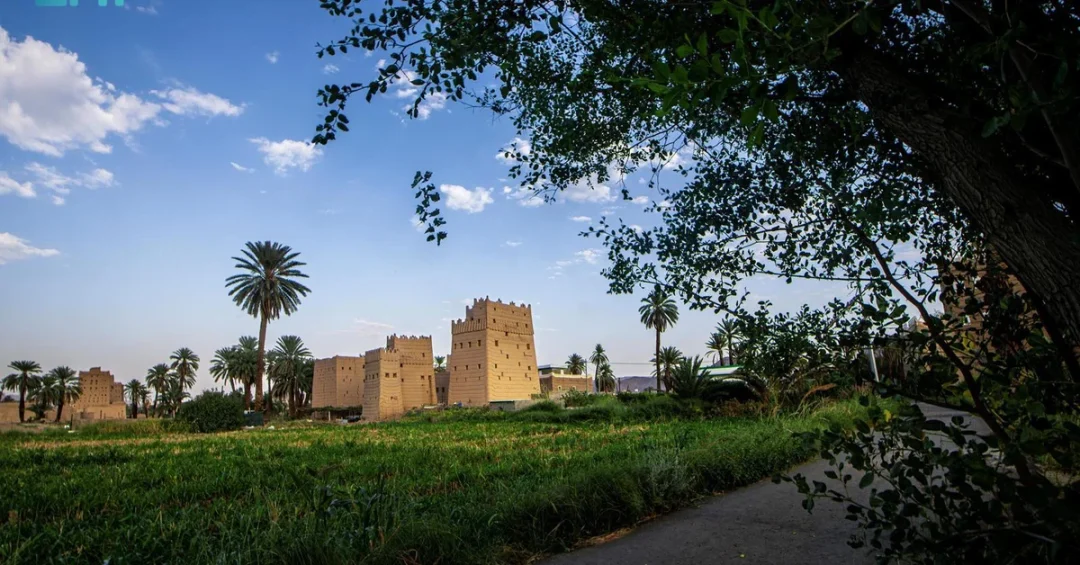
Najran, Saudi Arabia — The iconic mud houses of Najran stand as enduring symbols of the region’s rich architectural heritage, cherished by local communities and preserved through collective efforts to restore these historic structures. According to the Saudi Press Agency (SPA), these architectural gems have withstood the test of time, their authenticity and artistry a testament to the ingenuity of generations past.
Context and Background
Najran, located in the southwestern region of Saudi Arabia, is renowned for its distinctive mud-brick architecture, which reflects a deep connection between the community and its environment. The preservation of these cultural treasures is not just a regional priority but a collective endeavor involving owners and local communities working tirelessly to restore these structures to their former glory. This effort safeguards a vital part of their identity and offers future generations a tangible link to their ancestors.
Key Details
These houses are a marvel of traditional craftsmanship, harmonizing with the environment and built with locally sourced materials such as stone, clay, and wood. The intricate process of building these houses—from laying the foundation to crafting the roof—is meticulously executed, showcasing the builders’ skill and dedication. As Najran continues to evolve, preserving its mud houses remains vital. More than just buildings, these structures are living testaments to a way of life and cultural heritage that must be celebrated and protected for future generations.
Implications and Impact
The preservation of Najran’s mud houses has broader implications for cultural tourism and heritage awareness. By maintaining these structures, Saudi Arabia not only honors its past but also creates opportunities for visitors to experience the Kingdom’s diverse architectural traditions. This aligns with national efforts to promote cultural heritage as a key component of the tourism sector, contributing to economic diversification and cross-cultural understanding.
Vision 2030 Alignment
This initiative strongly aligns with Saudi Vision 2030, which emphasizes the preservation of cultural heritage as part of the Kingdom’s identity and economic diversification. By safeguarding Najran’s mud houses, Saudi Arabia demonstrates its commitment to celebrating its rich history while building a sustainable future, reinforcing the nation’s role as a global leader in heritage conservation.
20 Questions
Q1. What are the mud houses of Najran?
A1. The mud houses of Najran are traditional architectural structures built with locally sourced materials like stone, clay, and wood. They are iconic symbols of the region’s rich heritage and have been preserved for generations.
Q2. Why are Najran’s mud houses considered living treasures?
A2. They are living treasures because they represent a tangible link to the past, showcasing the ingenuity of generations and serving as enduring symbols of cultural identity that continue to be cherished and preserved by the community.
Q3. What materials are used in building these mud houses?
A3. The houses are built using locally sourced materials such as stone, clay, and wood. These materials harmonize with the environment and reflect sustainable building practices of the past.
Q4. Who is involved in preserving these structures?
A4. Owners and local communities are working tirelessly to restore these structures to their former glory. Their collective efforts safeguard a vital part of their identity and offer future generations a tangible link to their ancestors.
Q5. What makes the construction of mud houses unique?
A5. The construction process is meticulous, from laying the foundation to crafting the roof, showcasing the builders’ skill and dedication. It represents a marvel of traditional craftsmanship passed down through generations.
Q6. How do mud houses harmonize with the environment?
A6. They are built with locally sourced materials and designed to blend with the natural surroundings, reflecting an eco-friendly approach that has sustained these structures for centuries.
Q7. Why is preserving Najran’s mud houses important?
A7. Preservation is vital as these structures are living testaments to a way of life and cultural heritage. They must be celebrated and protected for future generations to understand and appreciate their history.
Q8. What role does the community play in preservation?
A8. The community actively participates in restoration efforts, ensuring that the mud houses retain their authenticity and continue to stand as symbols of shared heritage and identity.
Q9. How do mud houses contribute to cultural tourism?
A9. They attract visitors interested in experiencing Saudi Arabia’s architectural traditions, thereby supporting the tourism sector and promoting cultural exchange, in line with Vision 2030 goals.
Q10. What is the significance of mud houses in Saudi heritage?
A10. They are iconic symbols of Najran’s rich heritage, representing the region’s history and the ingenuity of its people. They are cherished for their enduring connection to the past.
Q11. How long have these mud houses existed?
A11. These architectural gems have withstood the test of time, with some structures dating back centuries. Their longevity is a testament to the durability of traditional building techniques.
Q12. Are there efforts to restore these houses?
A12. Yes, owners and local communities are working tirelessly to restore these structures to their former glory, ensuring they remain a vital part of the region’s identity for future generations.
Q13. What can future generations learn from these houses?
A13. They offer a tangible link to ancestors, teaching future generations about traditional craftsmanship, sustainable living, and the cultural heritage of Najran.
Q14. How does the preservation align with Vision 2030?
A14. It aligns with Vision 2030’s focus on preserving cultural heritage as part of national identity and economic diversification, contributing to tourism and community development.
Q15. What is the architectural style of these mud houses?
A15. The style is characterized by the use of mud bricks and locally sourced materials, with intricate designs that reflect the skill and artistry of traditional builders.
Q16. Are these houses still inhabited?
A16. While some may be preserved as heritage sites, others may still be in use. The focus is on maintaining their structural integrity and cultural significance.
Q17. How do mud houses reflect Saudi Arabia’s cultural identity?
A17. They embody the Kingdom’s rich history and traditions, showcasing the ingenuity of generations and serving as a source of pride for local communities and the nation.
Q18. What challenges face the preservation of mud houses?
A18. Challenges include weathering and modernization, but community-led restoration efforts and government support help overcome these to ensure the structures’ longevity.
Q19. How can international audiences appreciate Najran’s mud houses?
A19. International audiences can appreciate them through cultural tourism, learning about Saudi Arabia’s heritage, and recognizing the Kingdom’s efforts in preserving its historical treasures.
Q20. What is the future of Najran’s mud houses?
A20. With ongoing preservation and alignment with Vision 2030, the future looks promising as these houses continue to be celebrated and protected, serving as enduring symbols of Saudi heritage.
Reader Feedback
We value your thoughts. Please share your feedback on this article.
Your feedback helps us improve our coverage.
Related articles
 Saudi Falcons Club Unveils Pavilion for Junior Falconers
 King Abdulaziz Public Library Safeguards Arab and Islamic Heritage
 British Breeder Sells 3 Falcon Chicks for SAR 176,000 at Malham Auction
 Two Falcons Sold for SAR63,000 at International Falcon Breeders Auction
 Three Falcons from British Farm Sold for SAR164,000 at International Falcon Breeders Auction
 ‘Aseer Manuscripts Exhibition Opens in Ahad Rafidah