


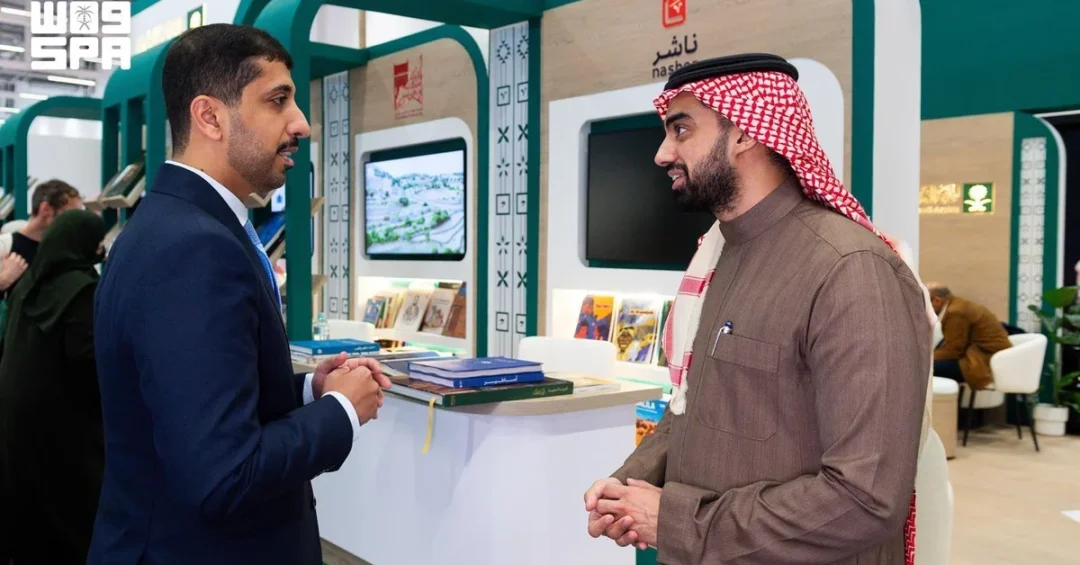
Nasher, a publishing house affiliated with the Literature, Publishing, and Translation Commission, showcased the diversity of Saudi intellectual and creative output at the Frankfurt Book Fair 2026, held from October 7 to 11. The participation, announced by the Saudi Press Agency, highlighted a curated selection of publications across three categories: coffee-table books, graphic novels, and specialized cultural books, reflecting the richness of Saudi cultural content and the Kingdom’s growing presence in the global publishing industry.
Have you ever wondered how a nation’s stories travel beyond its borders to captivate readers worldwide? Saudi Arabia is answering that question through strategic cultural engagement, and Nasher’s presence at one of the world’s largest book fairs is a prime example. By presenting a diverse array of titles, Nasher not only connected with international publishers and industry professionals but also demonstrated the Kingdom’s commitment to cultural exchange and the advancement of its creative sectors under Vision 2030.
Context and Background
What drives a publishing house to participate in a global event like the Frankfurt Book Fair? For Nasher, it is part of a broader mission to enrich the publishing sector and elevate Saudi books on the international stage. The Frankfurt Book Fair, held annually in Germany, is the world’s largest trade fair for books, attracting thousands of exhibitors and hundreds of thousands of visitors. It serves as a critical platform for rights trading, networking, and showcasing literary and creative works from around the globe. Nasher’s participation underscores Saudi Arabia’s proactive efforts to integrate its cultural products into this dynamic marketplace.
Nasher operates within the cultural ecosystem under the Literature, Publishing, and Translation Commission, a body dedicated to developing the publishing industry in line with Saudi Vision 2030. The Commission’s mandate includes fostering literary talent, supporting translation initiatives, and expanding the reach of Saudi publications internationally. By aligning with such a strategic framework, Nasher’s presence at Frankfurt is not an isolated event but a deliberate step in a long-term plan to enhance cultural diplomacy and economic diversification. The Kingdom’s cultural sector is undergoing a transformation, with increased investment in libraries, book fairs, and digital platforms that connect Saudi creators with global audiences.
Moreover, the timing of this participation is significant. As Saudi Arabia continues to open up to the world through initiatives like Vision 2030, cultural exchange has become a cornerstone of its international engagement. The Frankfurt Book Fair 2026 provided a timely opportunity for Nasher to introduce its publications to a wide audience, including publishers, agents, and literary scouts from Europe, Asia, and the Americas. This engagement not only promotes Saudi literature but also fosters mutual understanding and collaboration, which are essential for sustainable cultural partnerships.
Key Details
What exactly did Nasher present at the fair? The publishing house showcased a selection of publications across three distinct categories: coffee-table books, graphic novels, and specialized cultural books. Coffee-table books, often featuring stunning visuals and high-quality production, offer a window into Saudi heritage, art, and architecture, appealing to readers interested in the Kingdom’s aesthetic and historical riches. Graphic novels, a growing medium in the Arab world, highlight contemporary Saudi storytelling and artistic expression, bridging traditional narratives with modern formats. Specialized cultural books delve into topics such as history, literature, and cultural studies, providing depth and scholarly insight.
These categories were chosen to reflect the diversity and dynamism of Saudi intellectual and creative output. By presenting a range of genres, Nasher catered to varied international tastes and demonstrated that Saudi publishing is not monolithic but vibrant and multifaceted. During the fair, Nasher representatives engaged with publishers and book industry professionals from around the world, introducing them to the house’s strategic direction and exploring opportunities for collaboration, rights sales, and knowledge exchange. Such interactions are vital for expanding the reach of Saudi content in international markets, as they open doors to translation deals, co-publishing agreements, and distribution networks.
Furthermore, the participation enabled Nasher to gather insights into global publishing trends, from digital innovation to sustainability practices, which can inform its future strategies. The fair also served as a networking hub, allowing Nasher to build relationships with key players in the industry. These connections are expected to yield long-term benefits, including increased visibility for Saudi authors and enhanced cultural diplomacy. By actively participating in such events, Nasher is not only promoting its own catalogue but also contributing to the broader goal of positioning Saudi Arabia as a cultural powerhouse.
International and Regional Impact
How does Saudi Arabia’s participation in the Frankfurt Book Fair resonate on the international stage? It signals the Kingdom’s growing role as a cultural bridge between the Middle East and the world. By showcasing Saudi publications, Nasher helps dispel stereotypes and fosters a more nuanced understanding of Saudi society, culture, and creativity. This is particularly important in a globalized world where cultural exchange can build trust and mutual respect. International publishers and readers gain access to authentic Saudi voices, enriching the global literary landscape with perspectives that were previously underrepresented.
Regionally, Nasher’s efforts align with a broader movement among Gulf countries to invest in cultural industries as part of economic diversification. Saudi Arabia’s leadership in this area is notable, with initiatives like the Riyadh International Book Fair and the Jeddah Book Fair gaining prominence. The Frankfurt Book Fair participation complements these local events by extending their reach globally. It also encourages regional collaboration, as Nasher’s success could inspire other Arab publishers to seek international platforms. Ultimately, such engagements contribute to a more interconnected literary world, where Saudi stories find audiences far beyond the Kingdom’s borders.
Economic and Strategic Significance
What economic and strategic benefits arise from Nasher’s participation? The publishing industry is a vital component of the creative economy, contributing to GDP, job creation, and export diversification. By expanding the international reach of Saudi books, Nasher supports the growth of the local publishing sector, which in turn stimulates related fields such as printing, design, and digital media. Rights sales and translation deals generate revenue and create opportunities for Saudi authors and illustrators to gain global recognition. This aligns with Vision 2030’s goal of diversifying income sources and fostering a knowledge-based economy.
Strategically, cultural exchange enhances Saudi Arabia’s soft power and diplomatic ties. Books are ambassadors of culture, and by sharing its intellectual and creative output, the Kingdom builds goodwill and strengthens people-to-people connections. This is especially relevant as Saudi Arabia assumes a more prominent role in international affairs, hosting major events and leading regional initiatives. Nasher’s presence at Frankfurt thus serves both economic and diplomatic objectives, reinforcing the Kingdom’s commitment to global engagement and mutual prosperity.
Vision 2030 Alignment
How does Nasher’s participation reflect the aspirations of Saudi Vision 2030? The Vision, launched in 2016, aims to transform Saudi society and economy through a comprehensive reform agenda. Among its pillars is the development of the cultural sector, recognizing culture as a driver of economic growth and national identity. Nasher’s activities directly support this pillar by promoting Saudi publications, fostering cultural exchange, and enhancing the Kingdom’s international cultural presence. The Literature, Publishing, and Translation Commission, under which Nasher operates, is a key enabler of these efforts, implementing programs that nurture talent and expand market access.
Looking ahead, Nasher’s engagement at the Frankfurt Book Fair 2026 is a stepping stone toward a future where Saudi literature and creative works are readily available to global audiences. It exemplifies the Kingdom’s forward-looking vision, where cultural diplomacy and economic diversification go hand in hand. As Saudi Arabia continues to invest in its cultural ecosystem, initiatives like this will multiply, further integrating the Kingdom into the global creative economy and showcasing the best of Saudi intellectual and artistic heritage. In doing so, Nasher not only honors the past but also shapes a vibrant, interconnected future for Saudi culture on the world stage.
20 Questions
Q1. What is Nasher and what does it do?
A1. Nasher is a publishing house affiliated with the Literature, Publishing, and Translation Commission in Saudi Arabia. It focuses on enriching the publishing sector and promoting Saudi cultural content internationally.
Q2. When and where did Nasher participate recently?
A2. Nasher participated in the Frankfurt Book Fair 2026, held from October 7 to 11 in Frankfurt, Germany. The fair is one of the world’s largest book industry events.
Q3. What types of books did Nasher showcase?
A3. Nasher presented publications across three categories: coffee-table books, graphic novels, and specialized cultural books. These categories reflect the diversity of Saudi intellectual and creative output.
Q4. Why is the Frankfurt Book Fair important?
A4. The Frankfurt Book Fair is the world’s largest trade fair for books, attracting publishers, agents, and literary professionals globally. It serves as a key platform for rights trading and networking.
Q5. What were Nasher’s goals at the fair?
A5. Nasher aimed to connect with international publishers, introduce its publications and strategic direction, and explore opportunities for collaboration and knowledge exchange to expand the reach of Saudi content.
Q6. How does Nasher’s participation support Vision 2030?
A6. It supports Vision 2030 by developing the cultural sector, promoting international cultural exchange, and enhancing the Kingdom’s position in the global publishing industry.
Q7. What is the Literature, Publishing, and Translation Commission?
A7. It is a Saudi government body responsible for advancing literature, publishing, and translation. It oversees initiatives that nurture talent and expand the reach of Saudi publications.
Q8. What are coffee-table books and why are they included?
A8. Coffee-table books are visually rich publications often featuring art, heritage, and architecture. They showcase Saudi aesthetic and historical riches to a global audience.
Q9. What are graphic novels and their significance?
A9. Graphic novels are a growing medium combining visual art and storytelling. They highlight contemporary Saudi creativity and bridge traditional narratives with modern formats.
Q10. What are specialized cultural books?
A10. Specialized cultural books delve into topics like history, literature, and cultural studies, offering depth and scholarly insight into Saudi culture and heritage.
Q11. How does Nasher benefit from international book fairs?
A11. Nasher gains visibility, builds networks, and explores rights sales and co-publishing deals. These interactions help expand the reach of Saudi books in global markets.
Q12. What impact does this have on Saudi authors?
A12. It creates opportunities for Saudi authors and illustrators to gain international recognition, translation deals, and broader readership, supporting the growth of the local publishing sector.
Q13. How does this participation affect Saudi Arabia’s global image?
A13. It showcases Saudi cultural diversity, fosters mutual understanding, and enhances the Kingdom’s soft power and cultural diplomacy on the world stage.
Q14. What economic benefits arise from such participation?
A14. It contributes to the creative economy through rights sales, job creation, and export diversification, aligning with Vision 2030’s goal of a knowledge-based economy.
Q15. Are there other Saudi cultural initiatives like this?
A15. Yes, Saudi Arabia hosts the Riyadh International Book Fair and Jeddah Book Fair, among other cultural events. These complement international participations like Frankfurt.
Q16. How does Nasher select its publications for international fairs?
A16. Nasher curates a selection that reflects the diversity of Saudi output, including visually appealing, contemporary, and scholarly works, to appeal to varied international tastes.
Q17. What is the role of cultural exchange in Saudi foreign policy?
A17. Cultural exchange builds bridges, fosters goodwill, and strengthens people-to-people ties. It is an integral part of Saudi Arabia’s diplomatic and soft power strategy.
Q18. What future plans does Nasher have for international engagement?
A18. Nasher aims to continue participating in global book fairs, expand translation initiatives, and build partnerships to increase the international presence of Saudi books.
Q19. How can international publishers collaborate with Nasher?
A19. International publishers can connect with Nasher at book fairs or through the Literature, Publishing, and Translation Commission to explore rights sales, co-publishing, and distribution agreements.
Q20. What does this mean for the global publishing industry?
A20. It enriches the global publishing landscape with authentic Saudi voices, promotes cultural diversity, and opens new markets for translated and original Arabic works.
Reader Feedback
We value your thoughts. Please share your feedback on this article.
Your feedback helps us improve our coverage.