


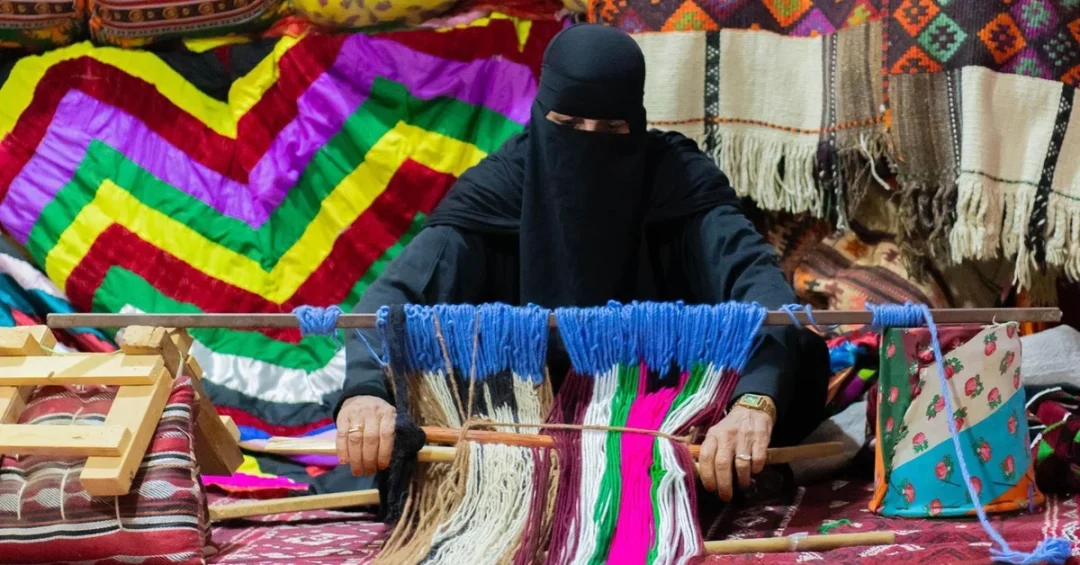
The Northern Borders Traditional Market in Arar has become a vital platform for craftswomen and families in the cottage industry, showcasing heritage products and preserving traditional crafts. Established as part of Saudi Arabia’s efforts to support small projects and cultural preservation, the market offers a permanent outlet for local artisans to display and sell their creations, ranging from Sadu weaving to traditional foods.
Context and Background
The Northern Borders Traditional Market reflects Saudi Arabia’s commitment to preserving its cultural heritage while empowering local communities. Located in Arar, the market serves as a hub for craftswomen and families engaged in traditional crafts, enabling them to transition from home-based production to organized commercial activities. This initiative aligns with broader national goals to support women’s economic participation and safeguard cultural traditions.
Key Details
The market features a variety of shops offering Sadu weaving, handwoven textiles, traditional attire, perfumes, incense, and local foods. It experiences heightened activity during seasons, holidays, and festivals, as demand for heritage products continues to grow. Craftswomen have leveraged the market to expand their businesses, creating new income sources and marketing opportunities.
Implications and Impact
By providing a platform for craftswomen and local artisans, the Northern Borders Traditional Market contributes to the economic empowerment of women in the region. It also plays a crucial role in preserving Saudi Arabia’s cultural heritage, ensuring that traditional crafts are passed down to future generations. The market’s success highlights the importance of integrating cultural preservation with economic development.
Vision 2030 Alignment
The Northern Borders Traditional Market exemplifies Saudi Arabia’s Vision 2030 goals of fostering economic diversification, empowering women, and preserving cultural heritage. By supporting small projects and traditional crafts, the Kingdom is creating sustainable economic opportunities while celebrating its rich cultural identity. This initiative underscores Saudi Arabia’s commitment to building a vibrant society grounded in tradition and innovation.
20 Questions
Q1. What is the Northern Borders Traditional Market?
A1. A permanent outlet in Arar for craftswomen and families to showcase and sell heritage products like Sadu weaving, traditional attire, and local foods.
Q2. Where is the market located?
A2. The market is located in Arar, Northern Borders Region, Saudi Arabia.
Q3. What products are sold at the market?
A3. Products include Sadu weaving, handwoven textiles, tents, traditional attire, handicrafts, perfumes, incense, and traditional foods.
Q4. Who benefits from the market?
A4. Craftswomen and families engaged in the cottage industry benefit from increased marketing opportunities and income sources.
Q5. How does the market support women?
A5. It empowers women by enabling them to transition from home production to organized commercial activities.
Q6. What is Sadu weaving?
A6. Sadu weaving is a traditional Saudi craft involving intricate patterns and designs, often used in textiles and tents.
Q7. How does the market preserve heritage?
A7. It provides a platform for artisans to showcase and sell traditional crafts, ensuring their continuation.
Q8. When does the market see increased activity?
A8. Activity peaks during seasons, holidays, and festivals.
Q9. What is the significance of the market’s location?
A9. Located in Arar, it serves as a cultural hub for the Northern Borders Region.
Q10. How does the market contribute to economic development?
A10. It creates income sources and marketing opportunities for local artisans.
Q11. What role does the market play in cultural preservation?
A11. It ensures traditional crafts are showcased and passed down to future generations.
Q12. How does the market align with Vision 2030?
A12. It supports economic diversification, women’s empowerment, and cultural preservation.
Q13. What are the long-term goals of the market?
A13. To sustain traditional crafts and provide economic opportunities for local communities.
Q14. How has the market impacted craftswomen?
A14. It has expanded their businesses and increased their income.
Q15. What makes the market unique?
A15. Its focus on preserving traditional crafts while empowering local artisans.
Q16. How does the market attract visitors?
A16. It offers authentic heritage products and experiences, especially during peak seasons.
Q17. What is the market’s role in the community?
A17. It serves as a cultural and economic center for the Northern Borders Region.
Q18. How does the market support small projects?
A18. It provides a platform for artisans to showcase and sell their products.
Q19. What challenges does the market address?
A19. It addresses the need for economic opportunities and cultural preservation in the region.
Q20. What is the future outlook for the market?
A20. It aims to grow as a cultural and economic hub, further aligning with Vision 2030 goals.
Reader Feedback
We value your thoughts. Please share your feedback on this article.
Your feedback helps us improve our coverage.