


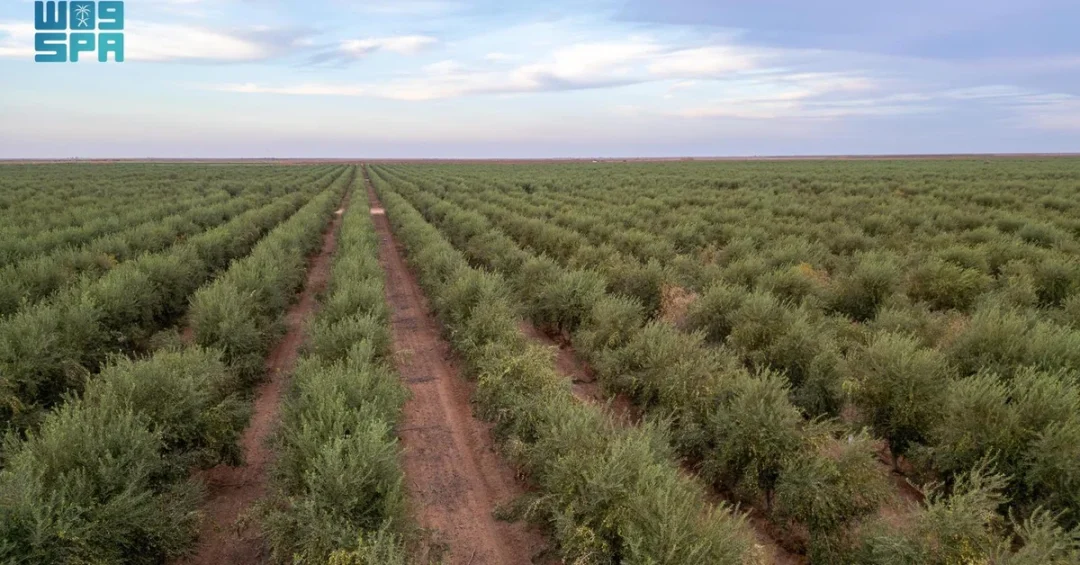
Olive trees hold a cherished place in Palestinian culture, symbolizing goodness, blessings, and peace, according to a recent report by the Saudi Press Agency (SPA). Nearly every Palestinian household features olive wood art or furniture, underscoring the tree’s role as an integral part of daily life. Palestinians have traditionally utilized olive trees for their leaves, fruit, and wood, making the olive tree a versatile and essential resource. How does this ancient tradition continue to inspire modern innovation? The olive harvest season, from mid-October to early November, not only marks a time of agricultural significance but also sparks creative endeavors among Palestinian youth, contributing to the local economy and cultural heritage. As we explore the cultural and economic dimensions of the olive tree, we uncover a story of resilience, innovation, and enduring tradition that resonates far beyond the region.
The olive tree is more than just a source of food and income; it is a symbol of identity and heritage for Palestinians. Both green and black olives are staple food sources, and the flammable olive oil is widely used for cooking and heating, highlighting the tree’s practical importance. Beyond these traditional uses, Palestinians have found innovative ways to utilize the remnants of olive pressing, producing paper and cardboard. This ingenuity not only reduces waste but also creates sustainable alternatives to plastic and nylon bags. How does such innovation reflect the broader spirit of entrepreneurship in the region? As we delve deeper, we see how the olive tree continues to shape Palestinian society and economy, bridging the past and the future.
Context and Background
The olive tree has been cultivated in the Mediterranean region for thousands of years, and in Palestine, it is deeply embedded in cultural and economic life. According to the Saudi Press Agency, olive trees symbolize goodness, blessings, and peace, and are considered a cultural staple. The harvest season, from mid-October to early November, is a significant time when families come together to collect olives, often passing down traditions from generation to generation. This period is not only about agriculture but also about community bonding and cultural continuity. How does this annual ritual strengthen social ties and cultural identity? The olive tree’s resilience, surviving in arid conditions, mirrors the resilience of the Palestinian people, making it a powerful symbol of steadfastness.
Traditionally, Palestinians have used every part of the olive tree: the leaves for herbal remedies, the fruit for food and oil, and the wood for furniture and art. Olive wood carvings, in particular, are famous worldwide, with intricate designs often depicting religious and cultural motifs. The olive oil, extracted from the fruit, is a cornerstone of Palestinian cuisine and economy. It is used not only for cooking but also for heating, lighting, and even soap-making. How does this multifaceted use of the olive tree reflect the ingenuity and resourcefulness of Palestinian culture? As we examine the background, it becomes clear that the olive tree is not just a plant; it is a way of life.
Key Details
In a notable example of innovation, a young Palestinian woman named Maithalon Sabbagh patented the creation of eco-friendly paper and cardboard products from the leftovers of olive pressing. By extracting cellulose from these remnants, she developed packaging materials as substitutes for nylon and plastic bags. This invention not only addresses environmental concerns but also adds value to the olive industry, creating new economic opportunities. What drives such innovative thinking among Palestinian youth? According to the SPA report, the olive tree, representing tradition and authenticity, inspires innovation among Palestinian youths. Following the olive harvest season, young Palestinians in different cities creatively repurpose the olive tree and its byproducts, contributing to the Palestinian economy and highlighting the tree’s importance in society.
Maithalon Sabbagh’s patent is a prime example of how traditional agricultural byproducts can be transformed into sustainable solutions. Her work aligns with global efforts to reduce plastic waste and promote eco-friendly alternatives. The process involves extracting cellulose from olive press remnants, which would otherwise be discarded, and using it to create biodegradable packaging. This not only reduces the environmental footprint of the olive industry but also provides a new revenue stream for farmers and entrepreneurs. How can such innovations be scaled up to benefit broader communities? The SPA report underscores that these innovations contribute to the Palestinian economy, showcasing the olive tree’s role as a catalyst for economic development and environmental sustainability.
International and Regional Impact
The cultural and economic significance of the olive tree in Palestine has implications beyond its borders. Olive oil and olive wood products are exported to international markets, where they are valued for their quality and craftsmanship. The innovation in eco-friendly packaging from olive waste could also attract global interest, positioning Palestine as a source of sustainable products. How does this enhance Palestine’s standing in the global market? Regional countries, including Saudi Arabia, have shown interest in supporting sustainable development and cultural heritage, aligning with Vision 2030 goals. The olive tree’s ability to bridge tradition and modernity makes it a powerful symbol for the region.
Moreover, the olive tree plays a role in regional diplomacy and cultural exchange. For instance, Saudi Arabia has been a strong supporter of Palestinian causes and cultural heritage, and the olive tree serves as a shared symbol of resilience and peace. The SPA report highlights the olive tree’s significance in Palestinian society, which resonates with broader Arab and Islamic traditions. How can cultural symbols like the olive tree foster greater cooperation and understanding? By promoting sustainable practices and cultural preservation, Palestine and its neighbors can strengthen ties and work towards common goals, including environmental sustainability and economic development.
Economic and Strategic Significance
Economically, the olive industry is a vital sector for Palestine, providing income for thousands of families and contributing to the national economy. The olive harvest season creates jobs and supports local businesses, from olive presses to artisans crafting olive wood products. The innovation in using olive waste for paper and cardboard adds another layer of economic value, turning a byproduct into a profitable commodity. What potential does this hold for economic growth? According to the SPA, these innovations contribute to the Palestinian economy, highlighting the importance of the olive tree in Palestinian society. By diversifying the use of olive byproducts, Palestinians can reduce waste, create jobs, and attract investment.
Strategically, the olive tree represents self-sufficiency and sustainability. As global demand for eco-friendly products rises, Palestine’s innovative use of olive waste positions it as a potential leader in sustainable packaging. This aligns with broader trends in green technology and circular economies. How can such strategic advantages be leveraged for long-term development? The SPA report emphasizes that the olive tree inspires innovation among Palestinian youths, who are the driving force behind these advancements. By supporting young entrepreneurs and investing in research and development, Palestine can build a resilient economy that honors its heritage while embracing modernity.
Vision 2030 Alignment
The themes of innovation, sustainability, and cultural preservation resonate with Saudi Arabia’s Vision 2030, which aims to diversify the economy, promote environmental sustainability, and empower youth. While the SPA report focuses on Palestine, the underlying values are shared across the region. Saudi Arabia’s Vision 2030 includes initiatives to support entrepreneurship, renewable energy, and cultural heritage, all of which are reflected in the Palestinian olive tree story. How does this alignment strengthen regional cooperation? By highlighting such examples, ksa.com showcases the positive developments in the region and fosters a sense of shared purpose.
Furthermore, the olive tree’s role in Palestinian culture and economy mirrors Saudi Arabia’s efforts to preserve its own heritage while advancing modernization. Vision 2030 emphasizes the importance of sustainable development and youth empowerment, and the innovations of Maithalon Sabbagh and other young Palestinians exemplify these principles. As Saudi Arabia continues to lead in regional development, stories like this underscore the potential for collaboration and mutual growth. What can we learn from the resilience and creativity of the Palestinian people? The olive tree, a symbol of peace and blessings, serves as a reminder of the shared values that unite the region and inspire a brighter future for all.
20 Questions
Q1. What does the olive tree symbolize in Palestinian culture?
A1. The olive tree symbolizes goodness, blessings, and peace, and is deeply embedded in Palestinian culture as a staple of daily life and heritage, according to the Saudi Press Agency.
Q2. How prevalent are olive wood products in Palestinian households?
A2. Nearly every Palestinian home features olive wood art or furniture, reflecting the tree’s integral role in domestic life and cultural expression.
Q3. What parts of the olive tree are traditionally used by Palestinians?
A3. Palestinians use the leaves, fruit, and wood of the olive tree, utilizing them for food, oil, medicine, furniture, and art, showcasing the tree’s versatility.
Q4. What are the main food products derived from olives?
A4. Both green and black olives are common food sources, and olive oil is widely used for cooking and heating, forming a cornerstone of Palestinian cuisine.
Q5. How is olive oil used beyond cooking?
A5. Olive oil is also used for heating, lighting, and soap-making, demonstrating its multifaceted role in Palestinian households and economy.
Q6. What innovative product did Maithalon Sabbagh develop?
A6. Maithalon Sabbagh patented the creation of eco-friendly paper and cardboard products from olive pressing leftovers, offering substitutes for nylon and plastic bags.
Q7. How does Sabbagh’s innovation contribute to the economy?
A7. Her innovation adds value to the olive industry by turning waste into profitable products, creating jobs and promoting environmental sustainability.
Q8. When is the olive harvest season in Palestine?
A8. The olive harvest season runs from mid-October to early November, a time when families gather to collect olives and celebrate cultural traditions.
Q9. How do young Palestinians contribute to the olive industry?
A9. Young Palestinians creatively repurpose olive tree byproducts, developing new products and innovations that support the economy and preserve heritage.
Q10. What is the significance of the olive tree for Palestinian identity?
A10. The olive tree represents tradition, authenticity, and resilience, serving as a powerful symbol of Palestinian identity and connection to the land.
Q11. How does the olive tree inspire innovation?
A11. The olive tree’s versatility and cultural importance inspire youth to develop sustainable products, such as eco-friendly packaging, from its byproducts.
Q12. What environmental benefits come from using olive waste?
A12. Using olive waste for paper and cardboard reduces waste, lowers pollution, and provides biodegradable alternatives to plastic, benefiting the environment.
Q13. How does the olive industry support Palestinian families?
A13. The olive industry provides income for thousands of families through farming, harvesting, oil production, and artisanal crafts, sustaining rural livelihoods.
Q14. What role does olive wood play in Palestinian art?
A14. Olive wood is carved into intricate art and furniture, often featuring religious and cultural motifs, and is prized internationally for its craftsmanship.
Q15. How does the olive tree contribute to peace?
A15. As a symbol of peace and blessings, the olive tree fosters a sense of shared heritage and mutual respect, promoting harmony within and beyond the region.
Q16. What international markets exist for Palestinian olive products?
A16. Palestinian olive oil and wood products are exported worldwide, valued for their quality and cultural significance, enhancing global appreciation.
Q17. How does olive innovation align with global trends?
A17. Olive innovation aligns with global trends in sustainability, circular economies, and eco-friendly packaging, positioning Palestine as a forward-thinking producer.
Q18. What challenges does the olive industry face?
A18. Challenges include climate change, water scarcity, and market access, but innovation and resilience help mitigate these issues and sustain the industry.
Q19. How can youth drive economic growth in Palestine?
A19. Youth can drive growth by leveraging traditional resources like olives to create new products, businesses, and jobs, supported by education and entrepreneurship.
Q20. What future prospects does the olive industry hold?
A20. The olive industry’s future lies in sustainable practices, innovative byproduct use, and international market expansion, promising economic and cultural benefits.
Reader Feedback
We value your thoughts. Please share your feedback on this article.
Your feedback helps us improve our coverage.