


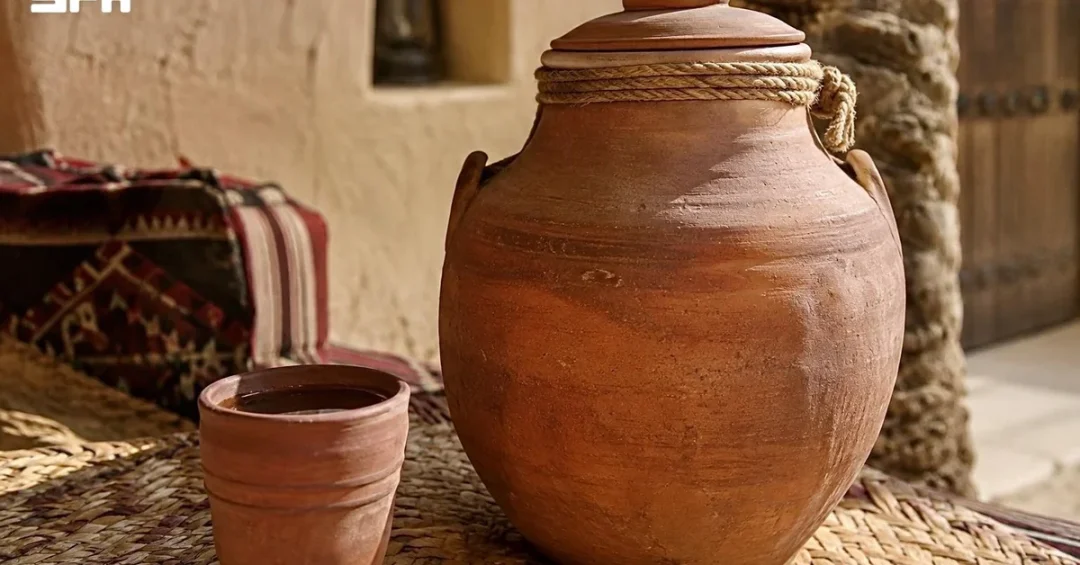
Pottery once formed an essential part of daily life in Makkah, serving as the primary means of storing and cooling water, preserving food, and serving meals in traditional homes before modern appliances transformed these earthenware vessels into cherished heritage items. According to the Saudi Press Agency (SPA), the clay containers that once stood in every household have transitioned from everyday necessities to decorative pieces that evoke the rich cultural heritage of the Holy City and its inhabitants’ ingenious adaptation to their environment.
This evolution reflects a broader narrative of modernization across the Kingdom of Saudi Arabia, where rapid technological advancement has not erased cultural memory but rather repositioned it. The pottery of Makkah tells a story of resourcefulness, hospitality, and community life that continues to resonate today. As Saudi Arabia advances toward Vision 2030, initiatives aimed at preserving national heritage ensure that these symbols of the past remain relevant, educational, and inspiring for future generations. The transformation of pottery from utility to ornamentation is not a loss but a reimagining of cultural identity in a modern context.
Context and Background
How did a simple clay jar become a symbol of an entire way of life in one of the world’s most revered cities? The answer lies in Makkah’s harsh desert climate and the practical ingenuity of its residents. Before electricity and refrigeration became widespread, families relied on earthenware vessels to meet their most fundamental needs. The Saudi Press Agency reports that pottery was woven into the fabric of daily existence, used in traditional homes to store and cool water, preserve food, and serve meals.
The most iconic of these vessels was the zeer, a large clay jar designed for drinking water. Its porous walls allowed a small amount of water to seep to the surface and evaporate in the intense heat, a natural cooling mechanism that made it invaluable in Makkah’s climate. This simple yet effective technology predated refrigerators and water coolers by centuries, demonstrating the deep understanding local communities had of their environment. Smaller vessels known as mashrabiyat were placed within easy reach so family members and guests could help themselves to a drink, making them an integral part of household hospitality.
Clay containers also held food and provisions, while earthenware dishes were used to serve meals. These items were not merely functional; they were embedded in the social rituals of the home, from the offering of water to a guest to the serving of communal meals. The craftsmanship required to produce such vessels reflected the skills of traditional artisans who passed their knowledge through generations. This heritage, now documented by official Saudi sources, highlights how families adapted to their environment and developed tools that played an essential role in their ancestors’ lives.
Key Details
What exactly made these earthenware vessels so indispensable in traditional Makkah households? The answer lies in their variety and specialization. According to the Saudi Press Agency, earthenware came in many shapes and sizes, each suited to a specific purpose. The zeer was the most prominent, a large clay jar for drinking water that utilized evaporative cooling to keep water fresh in the desert heat. Smaller vessels, the mashrabiyat, were positioned for easy access, allowing family members and guests to serve themselves. This design reflected a culture of hospitality that valued convenience and generosity.
Beyond water, clay containers were used to store food and provisions, and earthenware dishes were employed to serve meals. These items were part of a comprehensive domestic toolkit that sustained families before the advent of stainless steel, glass, and ceramic kitchenware. The transition away from pottery began with the introduction of electricity, refrigerators, and water coolers, which kept food and water cool and were easier to use and clean. Daily reliance on pottery declined as these modern appliances became commonplace, marking a shift in domestic life across the Kingdom.
Today, earthenware vessels have found a new role as decorative pieces in majlis rooms, entryways, and corners of the home. They lend a heritage character that evokes traditional Makkah life, serving as tangible links to the past. They also form part of the material heritage worth documenting, reflecting the skills of traditional craftspeople and how families adapted to their environment. This documentation helps new generations discover tools that once played an essential role in their ancestors’ lives, ensuring that the legacy of Makkah’s pottery is not forgotten.
International and Regional Impact
Why does the story of pottery in Makkah matter beyond the borders of Saudi Arabia? It represents a universal theme of cultural preservation amid rapid modernization, a challenge faced by societies worldwide. As the Kingdom shares its heritage with the global community through tourism and cultural exchange, the narrative of Makkah’s pottery contributes to a deeper understanding of Saudi Arabia’s history and values. International visitors, particularly those participating in Hajj and Umrah, gain insight into the daily lives of Makkah’s residents, enriching their pilgrimage experience with cultural context.
Regionally, the preservation of such heritage aligns with efforts across the Gulf Cooperation Council (GCC) states to document and celebrate traditional crafts. Saudi Arabia’s proactive approach, highlighted by official agencies such as the Saudi Press Agency, sets a benchmark for how nations can honor their past while embracing the future. The pottery of Makkah is not an isolated artifact; it is part of a broader Arabian tradition of earthenware craftsmanship that spans the peninsula. By documenting and promoting this heritage, Saudi Arabia reinforces its role as a custodian of Islamic and Arab culture, fostering regional pride and international appreciation.
Economic and Strategic Significance
How does the preservation of heritage crafts contribute to Saudi Arabia’s economic and strategic objectives? The answer lies in the intersection of culture, tourism, and national identity. As the Kingdom invests in tourism infrastructure under Vision 2030, heritage items such as Makkah’s pottery become valuable assets for cultural tourism. They can be showcased in museums, heritage villages, and cultural festivals, attracting visitors and creating economic opportunities for local artisans and entrepreneurs. The documentation of traditional crafts also supports the growth of a creative economy, where heritage-inspired products find markets both domestically and internationally.
Strategically, the emphasis on heritage reinforces social cohesion and national pride. By connecting new generations with the tools and traditions of their ancestors, Saudi Arabia nurtures a sense of continuity and identity. This is particularly important in a rapidly changing society where modernization could otherwise lead to cultural disconnect. The pottery of Makkah, now decorative but once essential, symbolizes resilience and adaptability—qualities that are central to the Kingdom’s strategic vision. As Saudi Arabia diversifies its economy and opens to the world, its heritage remains a cornerstone of its unique value proposition.
Vision 2030 Alignment
How does the legacy of Makkah’s pottery align with the ambitious goals of Saudi Vision 2030? The Vision, launched by Crown Prince Mohammed bin Salman, seeks to diversify the economy, enhance quality of life, and preserve national identity. Heritage preservation is a key pillar of this strategy, as evidenced by initiatives from the Ministry of Culture and the Saudi Heritage Commission. The documentation and promotion of traditional crafts like pottery support the Vision’s objective of celebrating Saudi Arabia’s rich history while building a modern, dynamic society. By integrating heritage into tourism, education, and urban development, the Kingdom ensures that its past informs its future.
Moreover, the story of pottery in Makkah exemplifies the Vision’s emphasis on sustainability and resourcefulness. The zeer, with its natural cooling mechanism, is a testament to environmentally friendly practices that predate modern technology. As Saudi Arabia pursues sustainable development, such traditional knowledge offers valuable lessons. The transformation of pottery from daily necessity to heritage decor is not merely a nostalgic reflection but a forward-looking strategy that leverages cultural assets for economic and social benefit. In this way, the humble clay jar of Makkah continues to serve the nation, now as a symbol of its enduring heritage and its bright future.
20 Questions
Q1. What was the primary use of pottery in traditional Makkah homes?
A1. Pottery was used to store and cool water, preserve food, and serve meals. It was essential for daily life before modern appliances like refrigerators and water coolers became common in households across the Kingdom.
Q2. What is a zeer and why was it important?
A2. A zeer is a large clay jar used for drinking water. Its porous walls allow water to seep and evaporate, cooling the water inside. This made it invaluable in Makkah’s hot climate long before electric refrigeration.
Q3. What were mashrabiyat used for?
A3. Mashrabiyat were smaller vessels placed within easy reach so family members and guests could help themselves to water. They were part of household hospitality, reflecting the generous culture of Makkah’s residents.
Q4. Why did the use of pottery decline in Makkah?
A4. The decline came with the introduction of electricity, refrigerators, and water coolers, which kept food and water cool and were easier to use and clean. These modern appliances gradually replaced traditional earthenware in daily life.
Q5. What new role has pottery found in modern Makkah?
A5. Today, earthenware vessels serve as decorative pieces in majlis rooms, entryways, and corners of homes. They lend a heritage character that evokes traditional Makkah life and connect modern interiors with the past.
Q6. How does pottery reflect the skills of traditional craftspeople?
A6. The production of various earthenware vessels required specialized knowledge of clay, shaping, and firing techniques. These skills were passed down through generations and reflect the ingenuity and artistry of Makkah’s traditional artisans.
Q7. Why is pottery considered part of Makkah’s material heritage?
A7. Pottery is a tangible artifact of daily life in the past, documenting how families adapted to their environment. It represents the tools and practices that sustained communities and is worth preserving for future generations.
Q8. How does pottery help new generations connect with their ancestors?
A8. By studying and displaying pottery, new generations can discover the tools that once played an essential role in their ancestors’ lives. This fosters a sense of continuity and appreciation for the resourcefulness of earlier times.
Q9. What does the transformation of pottery signify about Saudi society?
A9. It signifies a society that embraces modernization while preserving its cultural roots. The shift from utility to decoration shows that heritage can be reimagined and remain relevant in a changing world.
Q10. How does the preservation of pottery align with Vision 2030?
A10. Vision 2030 emphasizes the preservation of national identity and heritage. Documenting and promoting traditional crafts like pottery supports cultural tourism, education, and the creative economy, all of which are key to the Vision’s goals.
Q11. What role does the Saudi Press Agency play in documenting heritage?
A11. The Saudi Press Agency (SPA) is an official source that reports on cultural and heritage topics. Its documentation of Makkah’s pottery provides authoritative information that helps preserve and share the Kingdom’s rich history.
Q12. How can tourists experience Makkah’s pottery heritage?
A12. Tourists can see examples of traditional pottery in museums, heritage villages, and cultural festivals. As tourism expands under Vision 2030, such experiences offer deeper insight into the daily life and traditions of Makkah.
Q13. What other traditional crafts are preserved in Saudi Arabia?
A13. Saudi Arabia preserves many crafts, including weaving, metalwork, wood carving, and leatherwork. These are documented and promoted by the Ministry of Culture and the Saudi Heritage Commission to ensure their survival.
Q14. Why was pottery particularly suited to Makkah’s climate?
A14. Pottery’s porous nature allowed for evaporative cooling, which was ideal for Makkah’s hot, dry climate. The zeer could keep water cool without electricity, demonstrating an effective adaptation to environmental conditions.
Q15. How did pottery support hospitality in Makkah?
A15. Pottery facilitated hospitality through vessels like the mashrabiyat, which allowed guests to serve themselves water. This reflected the generous and welcoming nature of Makkah’s households and their emphasis on caring for visitors.
Q16. What materials replaced pottery in daily use?
A16. Stainless steel, glass, and ceramic kitchenware became commonplace, along with refrigerators and water coolers. These materials were easier to clean and more durable, leading to a decline in the use of traditional earthenware.
Q17. How does the decoration of homes with pottery reflect cultural pride?
A17. Displaying pottery in majlis rooms and entryways signals a connection to heritage and a sense of pride in traditional culture. It allows families to honor their past while enjoying modern living spaces.
Q18. What can be learned from the design of the zeer?
A18. The zeer demonstrates sustainable, low-tech cooling that relies on natural processes. It teaches lessons about energy efficiency and environmental adaptation that remain relevant in today’s world.
Q19. How does heritage preservation contribute to Saudi Arabia’s global image?
A19. Heritage preservation showcases Saudi Arabia as a nation that values its history while modernizing. It enhances the Kingdom’s global image as a custodian of culture and a responsible member of the international community.
Q20. What is the future of pottery in Makkah?
A20. Pottery will likely continue as a decorative and cultural symbol, featured in heritage initiatives and tourism. Its legacy will be preserved through documentation, education, and artistic revival, ensuring its place in Saudi Arabia’s future.
Reader Feedback
We value your thoughts. Please share your feedback on this article.
Your feedback helps us improve our coverage.