


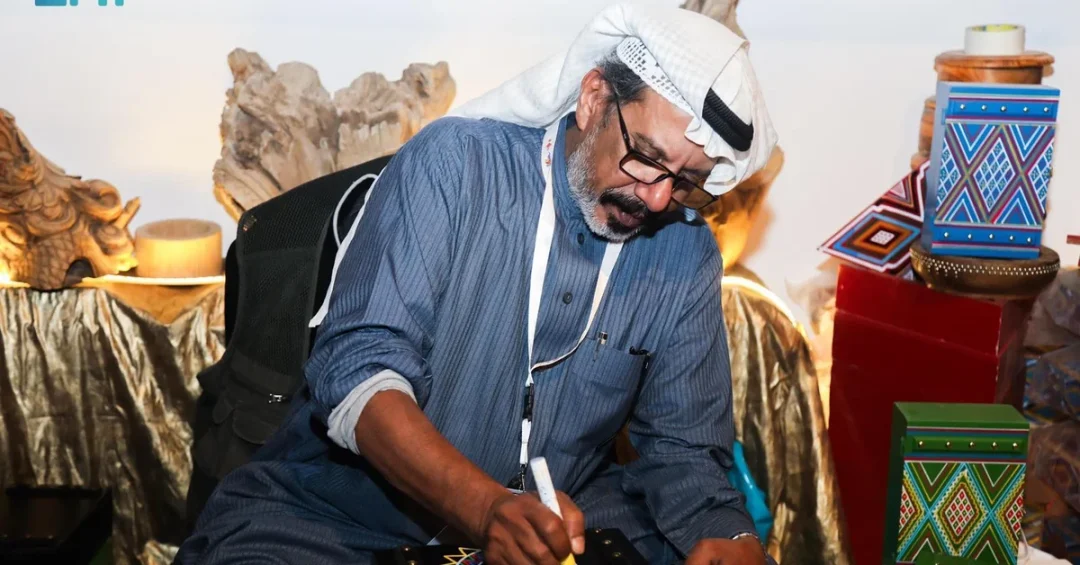
The Qassim Municipality pavilion at the Security Oasis exhibition, held alongside the King Abdulaziz Camel Festival, has drawn widespread attention with a striking display of wooden sculptures that celebrate the region’s cultural heritage and the skill of its local artisans, according to the Saudi Press Agency (SPA). The exhibit, located in Al-Sayahid, showcases intricately carved pieces that transform raw wood into detailed works of art, blending traditional Qassim craftsmanship with contemporary artistic expression. Visitors to the festival, one of the Kingdom’s most prominent cultural events, have praised the pavilion for highlighting the region’s creative legacy and the dedication of its craftsmen.
The King Abdulaziz Camel Festival, organized under the patronage of the Saudi leadership, serves as a major platform for celebrating Saudi Arabia’s deep-rooted heritage while advancing the cultural objectives of Vision 2030. The Qassim Municipality’s participation underscores how local government bodies and heritage institutions are working together to preserve and promote regional crafts. By presenting these wooden sculptures to a diverse international audience, the pavilion not only honors Qassim’s artistic traditions but also reinforces the Kingdom’s commitment to cultural exchange and economic diversification. As Saudi Arabia continues to invest in its cultural sector, events like this demonstrate how heritage can be a powerful driver of tourism and national pride.
Context and Background
What makes the Qassim pavilion’s display so compelling within the broader narrative of Saudi cultural preservation? The King Abdulaziz Camel Festival, held annually in the desert region of Al-Sayahid, has grown into a landmark event that attracts thousands of visitors, including international tourists, researchers, and dignitaries. The festival is not merely a celebration of camels—it is a comprehensive cultural showcase that features traditional crafts, poetry, music, and culinary arts from across the Kingdom. The Security Oasis exhibition, a key component of the festival, provides a dedicated space for government entities and local communities to present their heritage initiatives. Qassim Municipality’s pavilion stands out for its focus on wooden sculptures, a craft that has been passed down through generations in the Qassim region. These artisans use locally sourced wood and time-honored techniques to create pieces that range from decorative panels to functional objects, each telling a story of Qassim’s history and identity.
The support from the Qassim Municipality and the Heritage Commission has been instrumental in fostering this creative environment. By providing resources, training, and exhibition opportunities, these institutions ensure that traditional crafts remain viable in a modern economy. The Heritage Commission, a key body under the Ministry of Culture, has been actively documenting and promoting intangible cultural heritage across Saudi Arabia. Its collaboration with local municipalities like Qassim reflects a strategic approach to cultural preservation that aligns with Vision 2030’s goal of diversifying the economy and enhancing quality of life. For the artisans, participating in a high-profile event like the Camel Festival offers invaluable exposure, connecting them with potential buyers, collectors, and collaborators from around the world. This visibility not only sustains their livelihoods but also inspires younger generations to take up these crafts, ensuring their continuity.
Key Details
What specific elements of the wooden sculptures have captivated visitors the most? According to SPA, the sculptures are characterized by exquisite details and precision, demonstrating the remarkable skill of Qassim’s craftsmen in transforming wood into captivating works of art. The pieces on display include intricately carved representations of traditional architecture, desert wildlife, and geometric patterns inspired by Islamic art. Each sculpture is a testament to the artisan’s mastery of carving, joinery, and finishing techniques. The wood used is often sourced from local trees such as sidr and ghaf, known for their durability and rich grain. Craftsmen employ hand tools passed down through generations, alongside modern equipment where appropriate, to achieve a balance between authenticity and innovation. The pavilion’s layout allows visitors to observe live demonstrations, where artisans explain their techniques and share the cultural significance of their work. This interactive approach has proven popular, especially among younger visitors and international guests who are unfamiliar with Saudi craftsmanship.
The Qassim Municipality pavilion also features informational displays that contextualize the sculptures within the region’s broader heritage. Panels describe the history of woodworking in Qassim, dating back to the era of traditional mud-brick architecture, where wooden doors, windows, and ceilings were essential elements of desert homes. Over time, these functional items evolved into decorative art forms, with craftsmen developing distinctive styles that reflect Qassim’s identity. The Heritage Commission has played a key role in documenting these styles and supporting artisans through grants, workshops, and marketing platforms. By showcasing this heritage at the Camel Festival, the pavilion not only educates visitors but also reinforces the economic potential of traditional crafts. Several pieces are available for purchase, and artisans report strong interest from collectors and interior designers seeking authentic Saudi art. This commercial dimension is vital for sustaining the craft and encouraging entrepreneurship among local artisans.
International and Regional Impact
How does the Qassim pavilion’s presence at the King Abdulaziz Camel Festival contribute to Saudi Arabia’s global cultural diplomacy? The festival itself has become an international attraction, drawing participants and spectators from across the Gulf, the wider Arab world, and beyond. By featuring regional crafts like those from Qassim, the event presents a nuanced image of Saudi Arabia that goes beyond its economic and geopolitical dimensions. International visitors gain firsthand exposure to the Kingdom’s diverse cultural tapestry, which helps counter stereotypes and foster mutual understanding. The wooden sculptures, with their universal appeal, serve as ambassadors of Saudi creativity, opening dialogues about art, sustainability, and heritage. Moreover, the participation of Qassim Municipality alongside other regional entities highlights the Kingdom’s decentralized approach to cultural development, where each region contributes its unique flavor to the national narrative.
Regionally, the event strengthens ties among Gulf Cooperation Council (GCC) countries, many of which share similar craft traditions. Artisans from neighboring states often participate in the festival, creating opportunities for exchange and collaboration. For Qassim’s craftsmen, this regional exposure can lead to cross-border commissions and partnerships, further integrating Saudi Arabia’s cultural economy with its neighbors. The festival also attracts media coverage from around the world, amplifying the reach of the pavilion’s message. In an era where cultural tourism is a growing segment of the global travel market, Saudi Arabia’s investment in events like the Camel Festival positions it as a competitive destination. The Qassim pavilion, with its authentic and high-quality offerings, exemplifies how regional heritage can be leveraged to attract international visitors and generate economic value.
Economic and Strategic Significance
What economic opportunities does the promotion of traditional crafts like woodworking create for Qassim and Saudi Arabia as a whole? The handicrafts sector is increasingly recognized as a vital component of the creative economy, contributing to job creation, tourism revenue, and export diversification. In Qassim, woodworking supports a network of artisans, suppliers, and retailers, many of whom are small business owners. By providing a platform at the Camel Festival, the municipality helps these entrepreneurs reach new markets and scale their operations. The Heritage Commission has also launched initiatives to certify authentic Saudi handicrafts, ensuring quality and protecting against imitation. This strategic support aligns with Vision 2030’s objective of boosting non-oil exports and empowering small and medium-sized enterprises (SMEs). As demand for unique, handmade products grows globally, Saudi artisans are well-positioned to capture a share of this market, particularly in luxury and heritage tourism segments.
Furthermore, the integration of crafts into the tourism experience enhances the overall visitor economy. Tourists who attend the Camel Festival often extend their stay to explore nearby attractions, such as Qassim’s date farms, heritage villages, and museums. This creates a multiplier effect, benefiting hotels, restaurants, and transport services. The Qassim Municipality’s pavilion thus serves as a catalyst for local economic development, demonstrating how cultural investment can yield tangible returns. Strategically, the focus on crafts also supports rural development, as many artisans live in smaller towns and villages. By linking them to national and international markets, the initiative helps reduce regional disparities and promotes inclusive growth. The Saudi leadership has consistently emphasized the importance of preserving heritage while embracing modernity, and the Qassim pavilion embodies this balance.
Vision 2030 Alignment
How does the Qassim craftsmanship showcase align with the broader goals of Saudi Vision 2030? Vision 2030, launched by Crown Prince Mohammed bin Salman, aims to diversify the Kingdom’s economy, enhance quality of life, and promote a vibrant society rooted in national identity. Cultural heritage is a cornerstone of this vision, as reflected in the establishment of the Ministry of Culture and the Heritage Commission. The Qassim Municipality’s support for artisans directly contributes to the vision’s cultural objectives by preserving traditional skills, fostering creativity, and creating economic opportunities. Additionally, the King Abdulaziz Camel Festival itself is a flagship event under the vision’s tourism and entertainment pillars, attracting millions of visitors and generating significant media exposure. The wooden sculptures from Qassim, with their blend of authenticity and artistry, symbolize the Kingdom’s ability to honor its past while building a prosperous future.
Looking ahead, the continued collaboration between local municipalities, the Heritage Commission, and cultural institutions will be essential to sustaining these gains. The Qassim pavilion’s success at the Camel Festival sets a precedent for other regions to showcase their heritage on national and international stages. As Saudi Arabia prepares to host major global events, such as Expo 2030 in Riyadh and the 2034 FIFA World Cup, the demand for authentic Saudi cultural experiences will only increase. By investing in craftsmen and cultural infrastructure today, the Kingdom is laying the groundwork for a thriving creative economy that will benefit generations to come. The Qassim craftsmanship on display is not just a celebration of wood and skill—it is a testament to Saudi Arabia’s enduring spirit and its forward-looking vision.
20 Questions
Q1. What is the Security Oasis exhibition?
A1. The Security Oasis exhibition is a dedicated space within the King Abdulaziz Camel Festival that allows government entities and local communities to present heritage initiatives. It features cultural displays, crafts, and interactive activities, attracting thousands of visitors annually.
Q2. Where is the King Abdulaziz Camel Festival held?
A2. The festival is held in Al-Sayahid, a desert region in Saudi Arabia. It is organized annually and has become a major cultural and tourism event, drawing visitors from across the Kingdom and internationally.
Q3. What type of art is showcased at the Qassim pavilion?
A3. The Qassim pavilion showcases wooden sculptures characterized by exquisite details and precision. These pieces blend traditional craftsmanship with artistic creativity, reflecting the region’s rich cultural heritage.
Q4. Who supports the artisans in Qassim?
A4. The Qassim Municipality and the Heritage Commission provide support to local artisans. Their collaboration fosters a thriving creative environment and ensures that Qassim’s unique heritage is effectively showcased to a wider audience.
Q5. What materials do Qassim craftsmen use for their sculptures?
A5. Craftsmen typically use locally sourced woods such as sidr and ghaf, known for their durability and rich grain. They employ traditional hand tools alongside modern equipment to achieve a balance between authenticity and innovation.
Q6. How does the festival promote Saudi culture internationally?
A6. The festival attracts international visitors and media, providing a platform to showcase Saudi Arabia’s diverse cultural heritage. It helps counter stereotypes and fosters mutual understanding, positioning the Kingdom as a cultural tourism destination.
Q7. What is the economic significance of traditional crafts in Saudi Arabia?
A7. Traditional crafts contribute to job creation, tourism revenue, and export diversification. They support small businesses and align with Vision 2030’s goals of boosting non-oil exports and empowering SMEs.
Q8. How does the Qassim pavilion engage visitors?
A8. The pavilion features live demonstrations where artisans explain their techniques and share cultural significance. Informational displays contextualize the sculptures within Qassim’s heritage, and some pieces are available for purchase.
Q9. What is the Heritage Commission’s role?
A9. The Heritage Commission, under the Ministry of Culture, documents and promotes intangible cultural heritage across Saudi Arabia. It supports artisans through grants, workshops, and marketing platforms, ensuring the continuity of traditional crafts.
Q10. How does the festival align with Vision 2030?
A10. The festival supports Vision 2030’s tourism and entertainment pillars by attracting visitors and generating media exposure. It also promotes cultural preservation, a key objective of the vision’s vibrant society theme.
Q11. What types of wooden sculptures are on display?
A11. The sculptures include representations of traditional architecture, desert wildlife, and geometric patterns inspired by Islamic art. Each piece demonstrates mastery of carving, joinery, and finishing techniques.
Q12. How long has woodworking been a tradition in Qassim?
A12. Woodworking in Qassim dates back to the era of traditional mud-brick architecture, where wooden elements were essential in desert homes. Over time, it evolved into a decorative art form with distinctive regional styles.
Q13. What benefits do artisans gain from participating in the festival?
A13. Artisans gain exposure to potential buyers, collectors, and collaborators from around the world. This visibility sustains their livelihoods, inspires younger generations, and opens opportunities for cross-border commissions and partnerships.
Q14. How does the festival support regional cooperation?
A14. The festival strengthens ties among Gulf Cooperation Council countries by inviting artisans from neighboring states. It creates opportunities for exchange and collaboration, integrating Saudi Arabia’s cultural economy with its neighbors.
Q15. What role does Qassim Municipality play in cultural preservation?
A15. Qassim Municipality provides resources, training, and exhibition opportunities for local artisans. It collaborates with the Heritage Commission to ensure traditional crafts remain viable and are showcased to wider audiences.
Q16. How does the pavilion contribute to tourism in Qassim?
A16. By attracting visitors to the festival, the pavilion encourages them to explore nearby attractions such as date farms and heritage villages. This creates a multiplier effect, benefiting hotels, restaurants, and transport services.
Q17. What makes Qassim’s wooden sculptures unique?
A17. The sculptures are unique for their exquisite details, precision, and blend of authenticity with artistry. They reflect Qassim’s specific cultural identity and the exceptional skill of its craftsmen.
Q18. Are the sculptures available for purchase?
A18. Yes, several pieces are available for purchase at the pavilion. Artisans report strong interest from collectors and interior designers seeking authentic Saudi art, which helps sustain the craft economically.
Q19. How does the festival promote youth engagement?
A19. The festival offers interactive activities and live demonstrations that appeal to younger visitors. It inspires them to learn about traditional crafts and consider careers in the creative economy, ensuring heritage continuity.
Q20. What future events will showcase Saudi craftsmanship?
A20. Upcoming global events such as Expo 2030 in Riyadh and the 2034 FIFA World Cup will provide platforms to showcase Saudi craftsmanship. Increased demand for authentic cultural experiences will further elevate traditional arts.
Reader Feedback
We value your thoughts. Please share your feedback on this article.
Your feedback helps us improve our coverage.