


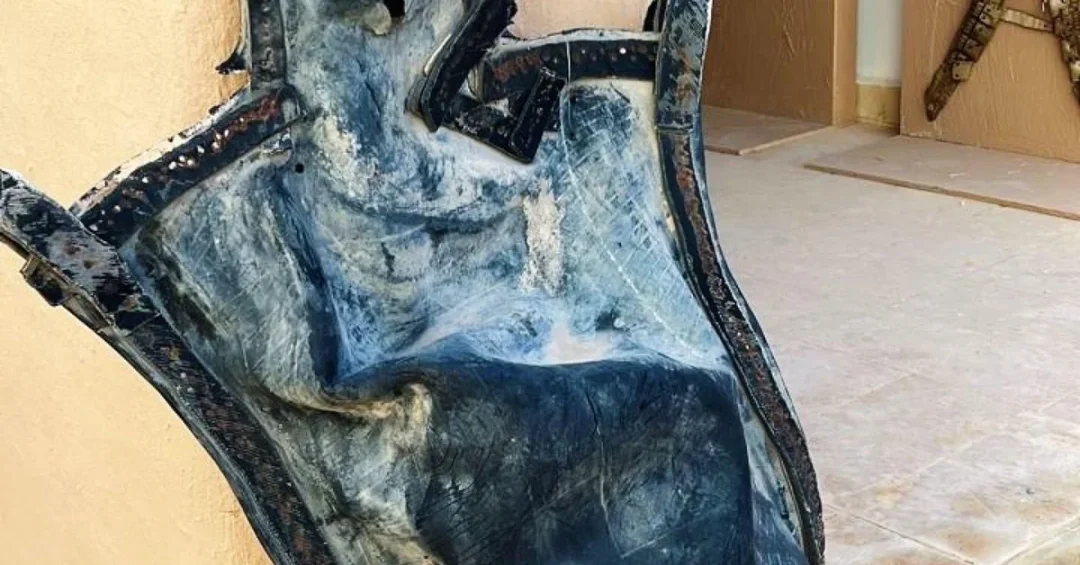
In the harsh deserts of the Arabian Peninsula, Bedouins historically relied on the Rawiyah, a container crafted from camel skin or rubber, to transport water across arid terrains on the backs of camels. This ingenious tool, reported by the Saudi Press Agency (SPA), exemplifies the resourcefulness of desert dwellers and their ability to adapt to challenging environments. As Saudi Arabia celebrates its rich heritage while advancing toward a modern future, such traditional innovations remain a source of pride and a testament to the Kingdom’s enduring cultural legacy.
Context and Background
For centuries, Bedouin communities navigated the vast Arabian Desert, where water scarcity demanded innovative solutions for survival. The Rawiyah emerged as a vital tool, designed to carry water efficiently over long distances. Made from durable camel skin or rubber, it was tailored to withstand the rigors of desert travel and preserve water quality. Available in various sizes, the Rawiyah was specifically shaped for easy carriage on camels, typically with two containers balanced on either side of the animal. This method allowed nomads to transport sufficient water for their families and livestock during migrations.
Khalaf Al-Ghufaili, a tour guide and enthusiast of ancient heritage, shared insights with the Saudi Press Agency, highlighting the Rawiyah’s role in daily life. He noted that a camel could carry two Rawiyahs, one on each side, enabling efficient water transportation across the desert. This practice underscores the deep understanding Bedouins had of their environment and their ability to utilize available resources sustainably.
Key Details and Related Innovations
Beyond the Rawiyah, Bedouins developed other specialized containers, each serving distinct purposes. The Qurba, crafted from goatskin, was used primarily for cooling water, while the Shenna, smaller than the Qurba and made from lambskin, served as a portable vessel. Additionally, the Akkah, also made from goatskin, was employed to preserve ghee, a staple dairy product. These tools collectively reflect the desert dwellers’ ingenuity and their meticulous approach to resource management.
The Rawiyah itself was not merely a container; it was a symbol of survival and adaptability. Its construction required skilled craftsmanship, with camel skin often tanned and treated to ensure durability and leak-proofing. The rubber variants, introduced later, offered similar benefits with different materials. Such innovations were crucial for sustaining life in an environment where water sources were scarce and distances vast.
Implications and Impact
The legacy of the Rawiyah and similar tools extends beyond their practical utility. They represent the cultural heritage of the Arabian Peninsula and the resilience of its people. Today, as Saudi Arabia undergoes rapid modernization under Vision 2030, there is a growing emphasis on preserving and celebrating this heritage. Museums, cultural festivals, and heritage sites across the Kingdom showcase such artifacts, educating new generations and international visitors about traditional Bedouin life.
Moreover, the principles of sustainability and resource efficiency embodied by the Rawiyah resonate with contemporary global challenges. As the world seeks solutions for water conservation and environmental stewardship, the wisdom of Bedouin practices offers valuable lessons. Saudi Arabia’s commitment to sustainable development, as outlined in Vision 2030, aligns with these historical approaches, bridging the past and the future.
Vision 2030 Alignment
Saudi Arabia’s Vision 2030 aims to diversify the economy, preserve cultural heritage, and enhance quality of life. The celebration of traditional tools like the Rawiyah supports these goals by promoting cultural tourism and fostering a sense of national identity. Initiatives such as the Red Sea Film Festival and Diriyah Gate project highlight the Kingdom’s dedication to showcasing its history while embracing modernity. By honoring the ingenuity of Bedouin ancestors, Saudi Arabia reinforces its position as a nation that values its roots while striving for a prosperous future.
20 Questions
Q1. What is a Rawiyah?
A1. A Rawiyah is a traditional water container made from camel skin or rubber, used by Bedouins to transport water across deserts on camels.
Q2. Who provided insights about the Rawiyah?
A2. Khalaf Al-Ghufaili, a tour guide and heritage enthusiast, shared details with the Saudi Press Agency about the Rawiyah and related tools.
Q3. How many Rawiyahs could a camel carry?
A3. A camel could typically carry two Rawiyahs, one on each side, allowing efficient water transportation during desert journeys.
Q4. What materials were used to make a Rawiyah?
A4. Rawiyahs were made from durable camel skin or rubber, materials chosen to preserve water and withstand rugged desert conditions.
Q5. What was the Qurba used for?
A5. The Qurba, crafted from goatskin, was primarily used for cooling water, a vital function in the hot desert climate.
Q6. How does the Shenna differ from the Qurba?
A6. The Shenna is smaller than the Qurba and made from lambskin, serving as a portable vessel for water.
Q7. What is the Akkah?
A7. The Akkah is a container made from goatskin, used by Bedouins to preserve ghee, a staple dairy product in their diet.
Q8. Why were these tools important for Bedouins?
A8. These tools were essential for survival, enabling Bedouins to transport and store water and food efficiently in the harsh desert environment.
Q9. How did Bedouins ensure water remained cool?
A9. They used the Qurba, made from goatskin, which helped cool water through evaporation, keeping it fresh during long journeys.
Q10. What does the Rawiyah symbolize?
A10. The Rawiyah symbolizes the resourcefulness and adaptability of Bedouin culture, reflecting their innovative solutions to environmental challenges.
Q11. Are these tools still used today?
A11. While modern containers have largely replaced them, Rawiyahs and similar items are celebrated as cultural heritage in museums and festivals.
Q12. How does the Rawiyah relate to Saudi Vision 2030?
A12. It highlights Saudi Arabia’s commitment to preserving cultural heritage while advancing modernization, aligning with Vision 2030’s goals.
Q13. What is the significance of camel skin in making Rawiyahs?
A13. Camel skin is durable and water-resistant, making it ideal for crafting containers that can withstand desert travel and preserve water.
Q14. Who reported on the Rawiyah?
A14. The Saudi Press Agency (SPA) reported on the Rawiyah, sharing insights from heritage expert Khalaf Al-Ghufaili.
Q15. How did Bedouins carry water over long distances?
A15. They used camels to carry multiple Rawiyahs, balancing them on each side, which allowed for efficient water transport across vast deserts.
Q16. What other animal skins were used for containers?
A16. Goatskin was used for the Qurba and Akkah, while lambskin was used for the Shenna, each serving specific purposes.
Q17. Why is the Rawiyah considered a survival tool?
A17. It was crucial for transporting water, a scarce resource, enabling Bedouins to survive and thrive in the arid Arabian Desert.
Q18. How does the Rawiyah reflect Bedouin ingenuity?
A18. Its design and materials demonstrate clever adaptation to the environment, using available resources to meet essential needs efficiently.
Q19. What role do such artifacts play in modern Saudi Arabia?
A19. They are preserved in museums and cultural events, educating the public and tourists about Saudi heritage and fostering national pride.
Q20. How can the Rawiyah inspire sustainable practices today?
A20. Its efficient use of materials and water conservation principles offer lessons for modern sustainability efforts, aligning with global environmental goals.
Reader Feedback
We value your thoughts. Please share your feedback on this article.
Your feedback helps us improve our coverage.
Related articles
 King Saud University Hosts International Conference on Camels in Arab Culture
 Saudi Arabia Weather Forecast: Dust, Rain, and Rising Temps
 Turbah’s Heritage: A Window into Saudi Arabia’s Historic Past
 LPTC Chief Meets Azerbaijan Ambassador to Boost Cultural Ties
 CRIK Head Meets China’s Ambassador to Saudi Arabia
 Madinah Book Fair 2024: 300+ Publishers Enrich Visitor Experience