


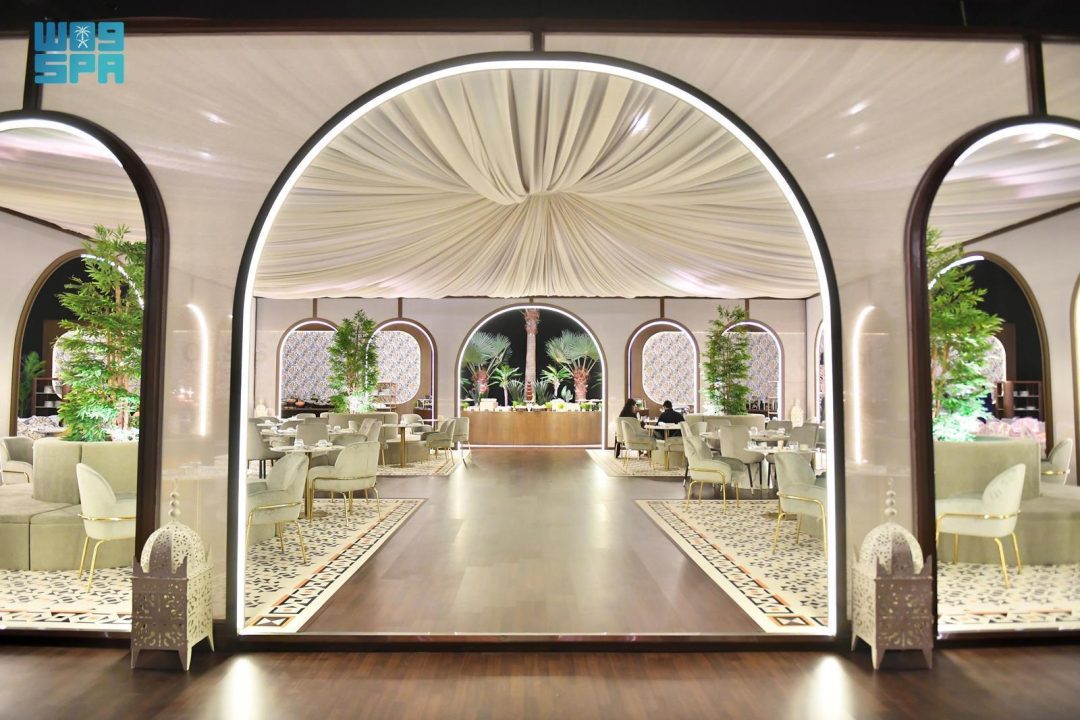
Riyadh, March 24, 2025 — The Ramadan tents spread across Riyadh during the holy month have grown into a fixture of the city’s festive landscape, serving as gathering places that carry the values of hospitality and communal brotherhood, the Saudi Press Agency reported.
SPA described the tents as a cornerstone of the capital’s Ramadan scene and as essential meeting points that foster a Ramadan spirit rooted in those deeply ingrained values. For families and friends, they offer a space to share iftar and suhoor meals in a spiritual ambiance that matches the sacred nature of the month. Why do shared meals carry so much weight during Ramadan in Riyadh?
Inside these welcoming halls, SPA reported, a rich tapestry of authentic Ramadan customs unfolds. The tents cultivate an environment of social cohesion and stand as a testament to the enduring tradition of Saudi hospitality, presenting a diverse array of traditional Ramadan dishes that reflect the Kingdom’s regional culinary heritage. Does the plate on the table tell you which part of the Kingdom a family comes from?
Many of the tents also operate as charitable initiatives, providing iftar meals to those in need and embodying the spirit of social solidarity that runs through Ramadan, according to SPA. That dual role — celebration and giving — is what makes the tents more than a dining venue. How many people sit down to a free iftar in Riyadh each night of the month?
SPA noted that the spaces provide a comforting escape, evoking cherished memories of traditional Ramadan moments and the ancient lifestyles that resonate deeply within the Saudi collective memory. The tents, in that sense, connect the present month to older ways of living. What memories does a Ramadan tent bring back for a Riyadh family?
Recognizing the tents’ popularity, both public and private sector organizations have worked diligently to diversify their offerings, SPA reported, ensuring they cater to the evolving needs of modern life while preserving the essence of the community’s time-honored Ramadan customs and traditions. That balance — modern convenience against inherited custom — shapes how the tents are arranged and what they serve. Can a tent be modern and traditional at the same time without losing either?
The SPA account places the tents within the wider Ramadan life of the capital, where the month reshapes daily routines around iftar and suhoor. The tents give those two meals a fixed address, a shared table, and a setting that SPA ties directly to the sacred character of the month. Why does a shared setting change the experience of a meal eaten after a day of fasting?
Hospitality, in the SPA description, is not a decorative theme but the organizing principle of the tents. Families and friends gather, dishes from across the Kingdom’s regions appear, and charitable iftar extends the table to those in need. Which of those three — family, food, charity — do you associate most with Ramadan in Riyadh?
SPA also framed the tents as a testament to an enduring tradition rather than a passing seasonal trend, noting their evolution into a cornerstone of the city’s festive landscape. Public and private organizations, it said, responded to that popularity by widening what the tents offer. Does a tradition stay alive by changing, or by staying the same?
The report did not include the number of tents in Riyadh, their locations, the number of meals served, or the names of the organizations running them. It also did not specify which regional dishes appear, or how the charitable iftar initiatives are funded and organized. Those details were not part of the SPA material.
What SPA did describe is a month in which the tents hold a fixed place: a setting for iftar and suhoor, a stage for customs passed down, and a channel for giving. In Riyadh, the tents turn the holy month’s daily rhythm into a collective one. Where else in the Kingdom does the same scene repeat each Ramadan night?
What role do Riyadh’s Ramadan tents play during the holy month? According to SPA, the tents have evolved into a cornerstone of Riyadh’s festive landscape and serve as essential gathering places that foster a Ramadan spirit celebrating hospitality and communal brotherhood. They are a focal point for families and friends who share iftar and suhoor meals in a spiritual ambiance aligned with the sacred nature of Ramadan. SPA also describes them as spaces that cultivate social cohesion and stand as a testament to the enduring tradition of Saudi hospitality.
Do the tents serve food that reflects Saudi regional heritage? Yes. SPA reports that a rich tapestry of authentic Ramadan customs unfolds inside the tents, which showcase a diverse array of traditional Ramadan dishes reflecting the Kingdom’s regional culinary heritage. The tents are also described as offering a spiritual ambiance suited to the sacred nature of the month. SPA did not list specific dishes or name which regions they come from, so the exact menu and its regional mapping were not part of the report.
How do the tents support charitable giving? SPA states that many tents operate as charitable initiatives, providing iftar meals to those in need and embodying the spirit of social solidarity that permeates Ramadan. That charitable role sits alongside their function as gathering places for families and friends sharing iftar and suhoor. The SPA report did not specify how many meals are provided, who funds the initiatives, or which organizations run them.
Why have public and private organizations diversified what the tents offer? SPA says that, recognizing the tents’ popularity, both public and private sector organizations have worked diligently to diversify their offerings. The aim, according to the report, is to cater to the evolving needs of modern life while preserving the essence of the community’s time-honored Ramadan customs and traditions. SPA did not detail which organizations took part or what specific new offerings were introduced.
What do the tents evoke for Riyadh residents? SPA describes the tents as providing a comforting escape that evokes cherished memories of traditional Ramadan moments and the ancient lifestyles that resonate deeply within the Saudi collective memory. They are presented as more than dining venues, carrying customs and a sense of continuity with older ways of living. The report did not include individual accounts or quotes from residents about those memories.