


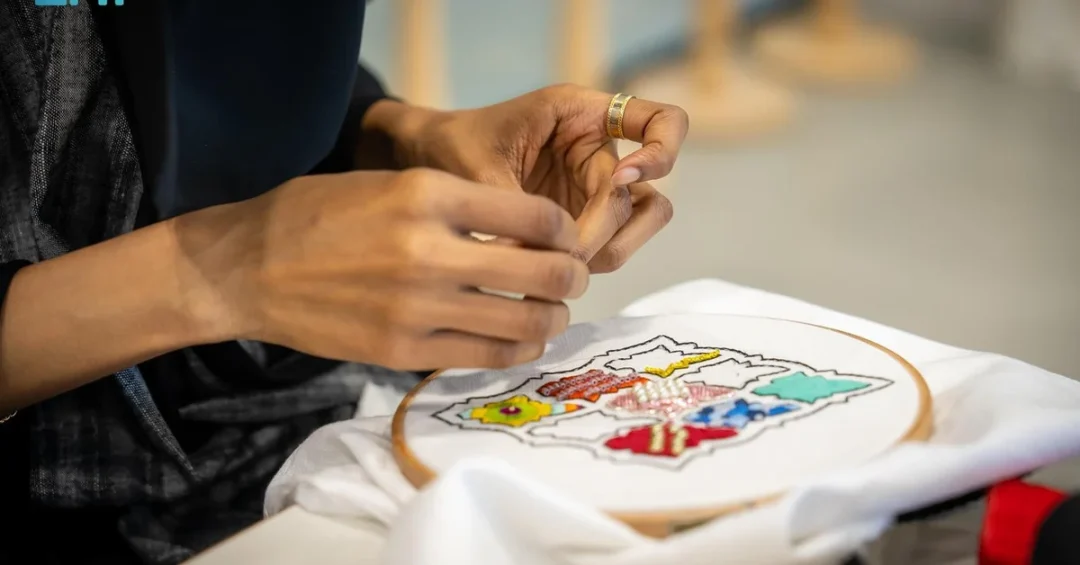
Saudi Arabia’s Cabinet, chaired by His Royal Highness Prince Mohammed bin Salman bin Abdulaziz, Crown Prince and Prime Minister, has approved the designation of 2025 as the “Year of Handicrafts,” a national initiative celebrating the Kingdom’s rich cultural heritage and its role in economic diversification. The announcement, made in Riyadh, underscores the leadership’s commitment to preserving traditional arts while empowering artisans and creating new economic opportunities.
Context and Background
The Royal Institute of Traditional Arts (RITA) is at the forefront of this initiative, working to highlight national identity and enrich the presence of Saudi handicrafts. The institute focuses on developing the skills of creative national artists in traditional arts and cultural heritage, promoting entrepreneurship in specialized areas. This aligns with the Kingdom’s broader efforts to safeguard its cultural legacy while fostering modern economic growth.
Handicrafts such as Sadu weaving, Al-Qatt Al-Asiri, and Arabic calligraphy are inscribed on UNESCO’s Intangible Cultural Heritage List, reflecting their global significance. The Year of Handicrafts aims to elevate these arts further, ensuring they remain vibrant and celebrated both locally and internationally.
Key Details
The Royal Institute of Traditional Arts offers specialized academic programs to teach and train practitioners in various crafts, including Hasawi Bisht making, woodworking, metalworking, and traditional pottery. Through research and documentation, RITA preserves the cultural elements of these arts, ensuring their transmission to future generations.
The institute’s efforts are not limited to education; it also promotes entrepreneurship, enabling artisans to turn their skills into sustainable livelihoods. By integrating traditional crafts with modern economic opportunities, RITA supports the Kingdom’s vision of a diversified economy.
Implications and Impact
The Year of Handicrafts is expected to boost the national economy by creating job opportunities for practitioners and enthusiasts. It also enhances Saudi Arabia’s cultural diplomacy, showcasing the Kingdom’s heritage to a global audience. This initiative reinforces Saudi Arabia’s position as a leader in cultural preservation and innovation.
Internationally, the initiative invites global audiences to engage with Saudi crafts, fostering cross-cultural dialogue and appreciation. It also aligns with Saudi Vision 2030’s goals of diversifying the economy and promoting cultural tourism.
Vision 2030 Alignment
The Year of Handicrafts directly supports Saudi Vision 2030 by empowering artisans, preserving cultural heritage, and contributing to economic diversification. It reflects the Kingdom’s commitment to sustainable development and global cultural engagement. As Saudi Arabia continues to modernize, initiatives like this ensure that its rich traditions remain a source of pride and prosperity for generations to come.
20 Questions
Q1. What is the Year of Handicrafts?
A1. The Year of Handicrafts is a national initiative approved by the Saudi Cabinet for 2025 to celebrate and promote traditional arts, empower artisans, and boost economic opportunities.
Q2. Who approved the Year of Handicrafts?
A2. The Saudi Cabinet, chaired by Crown Prince Mohammed bin Salman, approved the designation of 2025 as the Year of Handicrafts to honor cultural heritage.
Q3. What is the Royal Institute of Traditional Arts?
A3. RITA is a leading Saudi institution dedicated to preserving and promoting traditional arts through education, research, and entrepreneurship programs for artisans.
Q4. Why are handicrafts important to Saudi Arabia?
A4. Handicrafts represent Saudi cultural identity, strengthen the national economy, and create job opportunities, aligning with Vision 2030 goals.
Q5. Which crafts are highlighted by RITA?
A5. RITA highlights Sadu weaving, Al-Qatt Al-Asiri, Arabic calligraphy, Hasawi Bisht making, woodworking, metalworking, and traditional pottery.
Q6. Are any Saudi crafts recognized by UNESCO?
A6. Yes, Sadu weaving, Al-Qatt Al-Asiri, and Arabic calligraphy are inscribed on UNESCO’s Intangible Cultural Heritage List.
Q7. How does RITA support artisans?
A7. RITA offers specialized academic programs, promotes entrepreneurship, and provides research and documentation to preserve traditional crafts for future generations.
Q8. What economic benefits does the Year of Handicrafts bring?
A8. It creates job opportunities, supports small businesses, and contributes to economic diversification by integrating crafts into the modern economy.
Q9. How does this initiative align with Vision 2030?
A9. It supports Vision 2030 by preserving cultural heritage, empowering artisans, and promoting sustainable economic growth through cultural tourism.
Q10. What is Sadu weaving?
A10. Sadu weaving is a traditional Bedouin textile art known for its geometric patterns, representing a significant part of Saudi cultural heritage.
Q11. What is Al-Qatt Al-Asiri?
A11. Al-Qatt Al-Asiri is a traditional wall decoration art from the Asir region, characterized by vibrant geometric designs, recognized by UNESCO.
Q12. How can international audiences engage with Saudi handicrafts?
A12. Through cultural exhibitions, online platforms, and tourism, global audiences can explore and appreciate Saudi handicrafts, fostering cross-cultural exchange.
Q13. What role does education play in RITA’s mission?
A13. Education is central; RITA offers academic programs to train new generations of artisans, ensuring the continuity of traditional crafts.
Q14. How does RITA promote entrepreneurship?
A14. RITA encourages artisans to commercialize their skills, providing training and resources to build sustainable businesses in the crafts sector.
Q15. What is the significance of the Hasawi Bisht?
A15. The Hasawi Bisht is a traditional cloak from Al-Ahsa, known for its fine craftsmanship, symbolizing prestige and cultural identity.
Q16. How does the Year of Handicrafts boost cultural tourism?
A16. It attracts visitors interested in authentic cultural experiences, showcasing Saudi crafts at international events and local festivals.
Q17. What support does the government provide for handicrafts?
A17. The government provides funding, educational programs, and platforms for artisans to showcase their work, as part of Vision 2030.
Q18. How does RITA document traditional crafts?
A18. RITA conducts research, records techniques, and archives information to preserve the authenticity and knowledge of traditional crafts.
Q19. What is the global impact of Saudi handicrafts?
A19. They enhance Saudi cultural diplomacy, promote global appreciation of Arab heritage, and contribute to the creative economy worldwide.
Q20. How can aspiring artisans get involved?
A20. Aspiring artisans can enroll in RITA’s programs, participate in workshops, and engage with the institute’s initiatives to develop their skills.
Reader Feedback
We value your thoughts. Please share your feedback on this article.
Your feedback helps us improve our coverage.
Related articles
 Arar Water Tower: A Green Beacon for National Day
 Imam Turki bin Abdullah Royal Reserve Celebrates National Day
 AOT’s Committees Start their Meeting
 Diriyah Celebrates 94th Saudi National Day with Grand Events
 King Abdulaziz Cultural Center Celebrates Saudi 94th National Day
 King Abdulaziz Public Library Celebrates Saudi National Day