


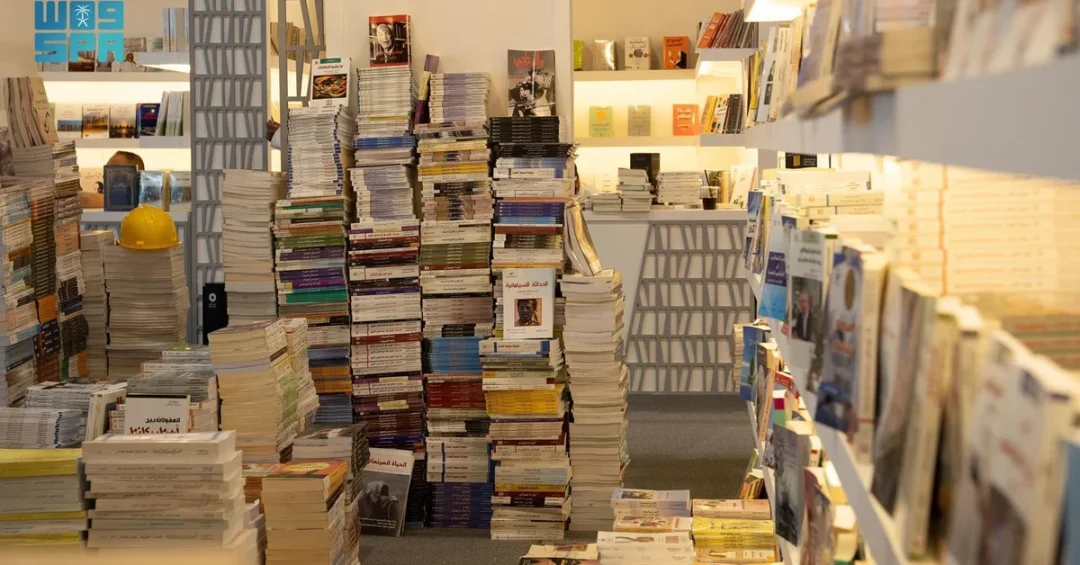
Saudi Arabia’s book fairs have emerged as significant economic drivers, attracting over 2.2 million visitors last year and contributing to the Kingdom’s economic diversification goals under Vision 2030. According to the Saudi Press Agency (SPA), the Literature, Publishing, and Translation Commission, operating under the Ministry of Culture, has developed these cultural events into catalysts for economic growth, knowledge dissemination, and cultural enrichment. The increasing popularity of these fairs, both domestically and internationally, underscores their role in fostering a reading culture and supporting the broader creative economy.
Context and Background
The transformation of book fairs into economic engines aligns with Saudi Arabia’s strategic shift away from oil dependence. The Literature, Publishing, and Translation Commission, led by its dedicated team, has leveraged the Kingdom’s rich cultural heritage and growing youth population to create events that resonate with modern audiences. The Riyadh International Book Fair, the flagship event, now attracts approximately one million visitors annually, a testament to its growing appeal. This surge in attendance—from 1.8 million in 2022 to 2.2 million in 2023—reflects the success of the Ministry of Culture’s strategy to elevate the quality of life through cultural engagement.
Key Details
The economic impact of these fairs extends beyond direct visitor spending. The Riyadh International Book Fair alone significantly boosts hotel occupancy rates, activates transportation networks, and generates substantial revenue for printing presses, publishing houses, and the paper industry. Moreover, the fairs attract international visitors who often participate in organized tours to archaeological sites, historical landmarks, and modern economic projects, thereby enhancing the tourism sector. The Commission continuously innovates to ensure the fairs remain relevant, incorporating the latest trends in publishing and culture, and providing a platform for leading Arab intellectuals and creators to converge.
Implications and Impact
The success of Saudi book fairs has regional and international implications. They serve as vital cultural gatherings that support the creative economy across the Arab world, fostering cross-border collaboration and knowledge exchange. By attracting global publishers and literary figures, these events position Saudi Arabia as a hub for cultural diplomacy and intellectual dialogue. Furthermore, the fairs contribute to the Kingdom’s soft power, showcasing its modernization and openness to the world. The multiplier effect on related industries—from hospitality to logistics—demonstrates their role as economic multipliers.
Vision 2030 Alignment
These book fairs are directly aligned with Vision 2030’s objectives to diversify the economy, promote cultural enrichment, and improve quality of life. By nurturing the creative sector and attracting international visitors, they support the goal of increasing non-oil revenue and fostering a vibrant society. As Saudi Arabia continues to invest in cultural infrastructure, book fairs will remain pivotal in driving economic growth, enhancing global engagement, and celebrating the Kingdom’s cultural heritage on the world stage.
20 Questions
Q1. What are the primary economic benefits of Saudi book fairs?
A1. They boost hotel occupancy, transportation, printing, publishing, and paper industries, and attract international tourists, contributing to economic diversification and non-oil revenue growth.
Q2. How many visitors attended Saudi book fairs last year?
A2. Last year’s attendance reached 2.2 million, up from 1.8 million in 2022, reflecting growing popularity and successful cultural strategies.
Q3. Which entity organizes these book fairs?
A3. The Literature, Publishing, and Translation Commission, under the Ministry of Culture, organizes the fairs with continuous support from the wise leadership.
Q4. How does the Riyadh International Book Fair impact tourism?
A4. It attracts about one million visitors annually, many from abroad, who join tours to archaeological, historical, and natural landmarks, boosting the tourism sector.
Q5. In what ways do book fairs support Vision 2030?
A5. They align with Vision 2030 by diversifying the economy, promoting cultural enrichment, and improving quality of life through knowledge and creativity.
Q6. What role does the Ministry of Culture play in these fairs?
A6. The Ministry of Culture, through the Literature, Publishing, and Translation Commission, develops strategies to raise awareness about reading’s importance and ensures fairs are innovative.
Q7. How do book fairs contribute to the creative economy?
A7. They support the culture and creativity economy in Saudi Arabia and the Arab region by providing platforms for literary figures and fostering intellectual exchange.
Q8. What is the significance of the growing visitor numbers?
A8. The increase from 1.8 million in 2022 to 2.2 million in 2023 demonstrates the success of cultural strategies and the rising appeal of Saudi book fairs.
Q9. Do book fairs attract international participation?
A9. Yes, they attract visitors and leading figures from the Arab world and beyond, enhancing cultural diplomacy and global engagement.
Q10. How do book fairs benefit the publishing industry?
A10. They create a tangible economic boom for printing presses, publishing houses, and the paper industry by generating demand for books and related services.
Q11. What types of tours are offered to international visitors?
A11. Organized tours to archaeological, historical, and natural landmarks, as well as economic and cultural projects and tourist attractions.
Q12. How does the Commission ensure fairs remain relevant?
A12. The Commission works to ensure fairs reflect the latest developments in culture and publishing, making them innovative and attractive to diverse audiences.
Q13. What is the economic value of book fairs to local businesses?
A13. They stimulate local businesses through increased demand for hospitality, transportation, and retail services, creating a multiplier effect in the economy.
Q14. How do book fairs promote reading culture?
A14. By disseminating knowledge, promoting cultural and intellectual awareness, and making books accessible to a wide audience, they foster a reading culture.
Q15. Are there multiple book fairs in Saudi Arabia?
A15. Yes, the Literature, Publishing, and Translation Commission hosts various book fairs across the Kingdom, with the Riyadh International Book Fair being the largest.
Q16. What is the expected future growth of these fairs?
A16. With ongoing support and innovation, attendance and economic impact are expected to continue growing, further contributing to Vision 2030 goals.
Q17. How do book fairs support cultural exchange?
A17. They bring together leading figures in literature, thought, and creativity from the Arab world, facilitating dialogue and cultural exchange.
Q18. What economic sectors are most impacted by book fairs?
A18. Hospitality, transportation, printing, publishing, paper, and tourism sectors experience significant benefits from increased activity during fairs.
Q19. How does the leadership support these cultural events?
A19. The wise leadership provides continuous support, enabling the Commission to organize fairs that contribute to knowledge dissemination and economic development.
Q20. What makes Saudi book fairs unique in the region?
A20. Their scale, innovation, and integration with tourism and economic diversification efforts under Vision 2030 make them unique and impactful in the Arab world.
Reader Feedback
We value your thoughts. Please share your feedback on this article.
Your feedback helps us improve our coverage.
Related articles
 Thaqafeyah Channel Showcases Saudi Culture at Riyadh Book Fair
 Nasher Lends Strong Support to Culture in Saudi Arabia
 Ancient Arabs Migrated from Central Arabia: Historian
 Traditional Crafts Shine at Saudi Falcons and Hunting Exhibition
 Riyadh International Book Fair 2024 Concludes with Record Success
 Saudi Falcons Club Expands Hunting Weapons Section at 2024 Exhibition