


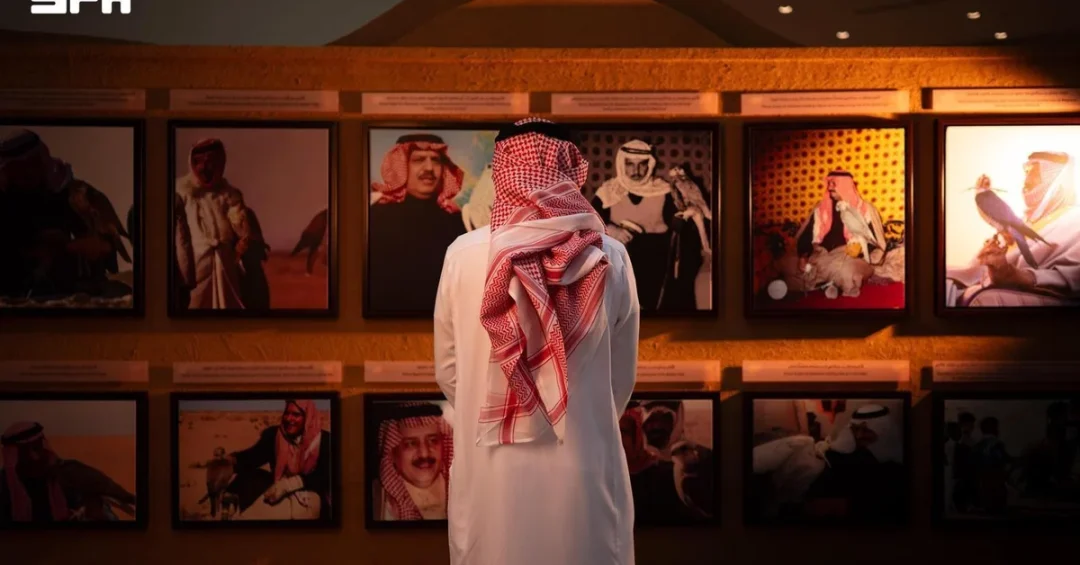
The National Center for Falcons has concluded the International Saudi Falcons and Hunting Exhibition 2026, which drew more than 764,000 visitors over 10 days in Malham, north of Riyadh, according to the Saudi Press Agency. The landmark event showcased the Kingdom’s rich falconry heritage alongside modern hunting and outdoor pursuits, reinforcing Saudi Arabia’s position as a global hub for cultural and economic exchange.
Context and Background
The exhibition, organized by the National Center for Falcons, took place in Malham, a dedicated venue north of Riyadh that has become synonymous with falconry excellence. It brought together more than 1,446 exhibitors and brands from 47 countries, along with 44 government entities, underscoring the event’s international scope and Saudi Arabia’s commitment to preserving and promoting its cultural heritage. Falconry, a traditional Bedouin practice, holds deep significance in Saudi culture and has been recognized by UNESCO as intangible cultural heritage.
Key Details
The 2026 edition featured a diverse program that included folkloric and military displays, an area dedicated to handicrafts and traditional arts, discussion sessions on history, poetry, and heritage, and specialized workshops on taxidermy, crafts, traditional arts, trips, adventures, and vehicle preparation and safety. A standout feature was the hunting weapons, ammunition, and accessories area, the first of its kind in the Kingdom, which presented more than 5,000 products from over 181 international brands. These included hunting and shooting firearms, air guns, ammunition, accessories, and safety, storage, maintenance, and training equipment. The exhibition attracted falconers, enthusiasts, investors, local and international companies, and the general public, creating a vibrant platform for networking and knowledge exchange.
Implications and Impact
The record attendance of over 764,000 visitors highlights the growing global interest in falconry and Saudi Arabia’s ability to host world-class events. The participation of 47 countries and numerous government entities demonstrates the Kingdom’s role in fostering international cooperation and cultural diplomacy. Economically, the exhibition provided a boost to local businesses, tourism, and the outdoor recreation sector, aligning with Saudi Arabia’s efforts to diversify its economy. The inclusion of a dedicated hunting weapons area reflects the Kingdom’s commitment to regulating and advancing this specialized market, offering opportunities for international brands to enter the Saudi market.
Vision 2030 Alignment
This exhibition exemplifies Saudi Vision 2030’s goals of promoting cultural heritage, enhancing quality of life, and driving economic diversification. By celebrating falconry and outdoor adventure, the event supports the development of tourism and entertainment sectors, creates investment opportunities, and reinforces Saudi Arabia’s global leadership in preserving intangible cultural heritage. As the National Center for Falcons begins preparations for the 2027 edition, the Kingdom continues to build on this success, showcasing its rich traditions and modern aspirations to the world.
20 Questions
Q1. What was the International Saudi Falcons and Hunting Exhibition 2026?
A1. It was a 10-day event in Malham, north of Riyadh, organized by the National Center for Falcons, showcasing falconry, hunting, heritage, and outdoor activities with over 764,000 visitors and 1,446 exhibitors from 47 countries.
Q2. Where exactly was the exhibition held?
A2. The exhibition took place in Malham, a dedicated venue located north of Riyadh, Saudi Arabia. This site has become a central hub for falconry events and cultural gatherings in the Kingdom.
Q3. How many visitors attended the exhibition?
A3. The event attracted more than 764,000 visitors over its 10-day run, reflecting strong public and international interest in falconry and Saudi cultural heritage.
Q4. How many exhibitors and brands participated?
A4. There were over 1,446 exhibitors and brands from 47 countries, along with 44 government entities, making it a truly global and multisectoral event.
Q5. What countries were represented at the exhibition?
A5. Exhibitors came from 47 countries, demonstrating the international appeal of falconry and Saudi Arabia’s ability to attract global participation in cultural and commercial exchanges.
Q6. What was unique about the hunting weapons area?
A6. It was the first of its kind in the Kingdom, featuring more than 5,000 products from over 181 international brands, including firearms, air guns, ammunition, and safety equipment.
Q7. What kind of workshops were offered?
A7. Workshops covered taxidermy, crafts, traditional arts, trips, adventures, and vehicle preparation and safety, providing practical skills and knowledge to attendees.
Q8. What cultural activities were part of the program?
A8. The program included folkloric and military displays, handicrafts and traditional arts areas, and discussion sessions on history, poetry, and heritage.
Q9. Who organized the exhibition?
A9. The National Center for Falcons, a Saudi government entity dedicated to preserving falconry heritage and promoting related activities, organized the event.
Q10. What is the significance of falconry in Saudi culture?
A10. Falconry is a traditional Bedouin practice with deep historical roots in Saudi Arabia. It symbolizes nobility, patience, and connection to nature, and is recognized by UNESCO as intangible cultural heritage.
Q11. How does the exhibition support Vision 2030?
A11. It aligns with Vision 2030 by promoting cultural heritage, enhancing quality of life, boosting tourism, and creating economic opportunities through international participation and investment.
Q12. What economic benefits did the exhibition bring?
A12. It stimulated local businesses, tourism, and the outdoor recreation sector, while providing a platform for international brands to enter the Saudi market and fostering trade partnerships.
Q13. Were there any government entities involved?
A13. Yes, 44 government entities participated, highlighting the collaborative effort between public and private sectors to ensure the event’s success and compliance with regulations.
Q14. What is the National Center for Falcons?
A14. It is a Saudi government organization responsible for preserving falconry heritage, organizing exhibitions, and promoting sustainable hunting practices in line with cultural traditions.
Q15. When will the next exhibition take place?
A15. The National Center for Falcons has begun early preparations for the International Saudi Falcons and Hunting Exhibition 2027, aiming to further develop the event.
Q16. How does the exhibition promote international cooperation?
A16. By bringing together exhibitors from 47 countries and 44 government entities, it fosters cultural exchange, trade partnerships, and diplomatic ties, positioning Saudi Arabia as a global leader in heritage events.
Q17. What types of products were showcased?
A17. Products included hunting and shooting firearms, air guns, ammunition, accessories, safety gear, storage solutions, maintenance tools, training equipment, and traditional handicrafts.
Q18. What was the target audience for the exhibition?
A18. It attracted falconers, enthusiasts, investors, local and international companies, and the general public, offering something for everyone interested in heritage and outdoor activities.
Q19. How does the exhibition enhance Saudi Arabia’s global image?
A19. It showcases the Kingdom’s rich cultural heritage, organizational capabilities, and openness to international partnerships, reinforcing its reputation as a modern, dynamic nation.
Q20. What are the future plans for the exhibition?
A20. The National Center for Falcons aims to develop the event further, enhancing the experience for visitors, exhibitors, and participants, and expanding its international reach in 2027.
Reader Feedback
We value your thoughts. Please share your feedback on this article.
Your feedback helps us improve our coverage.