


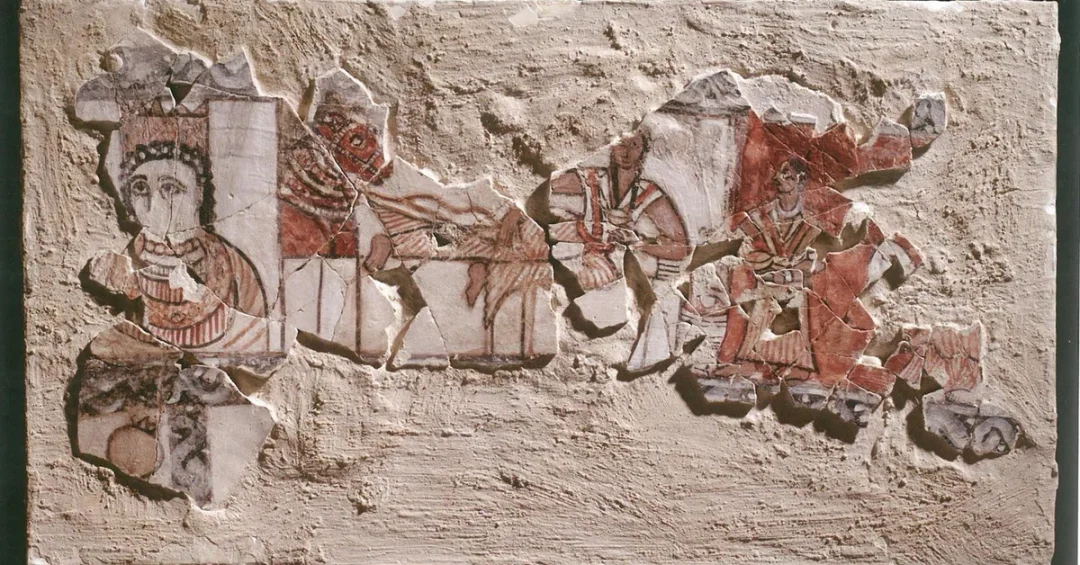
The Saudi Heritage Commission announced today that it will organize the “Scientific Symposium on Cultural Landscape Research on the Al-Faw Archaeological Area,” a major academic gathering dedicated to highlighting the historical and archaeological significance of the Al-Faw site, which was inscribed on the UNESCO World Heritage List earlier this year. The symposium aims to raise awareness about the area and showcase ongoing research and excavation projects that began with the late Dr. Abdulrahman Al-Ansary, a pioneer in the study of archaeology in the Kingdom of Saudi Arabia.
Context and Background
The Cultural Landscape of Al-Faw Archaeological Area, located in the Riyadh Region, was successfully inscribed on the UNESCO World Heritage List during the 46th session of the World Heritage Committee, held in New Delhi from July 22 to 31, 2024. This recognition marked the eighth Saudi site to achieve World Heritage status, underscoring the Kingdom’s rich cultural heritage and its commitment to preserving and promoting its historical legacy. The Al-Faw area, once a thriving center on ancient trade routes, offers invaluable insights into the social and economic history of the Arabian Peninsula.
The Heritage Commission, a key governmental body responsible for safeguarding Saudi Arabia’s cultural heritage, has been at the forefront of efforts to study and protect this site. The upcoming symposium reflects the Commission’s dedication to academic excellence and public engagement, building on the legacy of Dr. Abdulrahman Al-Ansary, whose pioneering work laid the foundation for modern archaeological research in Saudi Arabia.
Key Details
The symposium will feature 22 research papers presented across five sessions, covering topics such as the origins of the Al-Faw archaeological area, its social and economic history, and its broader cultural landscape. The event will also include field visits to the site for speakers and participants, providing firsthand experience of the ongoing excavations and research. The symposium highlights the contributions of King Saud University to the study of Al-Faw, reflecting the Commission’s partnerships with public, private, and non-profit sectors.
According to the Saudi Press Agency (SPA), the symposium aims to enrich the academic field with cutting-edge archaeological studies and facilitate the exchange of expertise and insights among scholars. By raising public awareness about Saudi Arabia’s extensive archaeological heritage, which spans millennia, the Commission seeks to foster a deeper appreciation for the Kingdom’s historical and cultural significance on local, regional, and global levels.
Implications and Impact
The symposium is expected to have significant implications for the field of archaeology and cultural heritage management. It will serve as a platform for scholars to discuss the latest research findings, share best practices, and explore new methodologies for preserving and interpreting archaeological sites. The event also reinforces Saudi Arabia’s position as a leader in cultural heritage preservation and academic research, aligning with the Kingdom’s broader efforts to promote cultural diplomacy and international cooperation.
Furthermore, the recognition of Al-Faw as a UNESCO World Heritage site and the ongoing research there contribute to the global understanding of ancient civilizations and their contributions to human history. The symposium will facilitate international collaboration, bringing together experts from various disciplines to discuss the significance of the Al-Faw area and its role in the cultural landscape of the Arabian Peninsula.
Vision 2030 Alignment
The organization of this symposium is a clear manifestation of Saudi Arabia’s Vision 2030, which emphasizes the preservation and promotion of the Kingdom’s cultural heritage as a cornerstone of national identity and a driver of economic diversification. By investing in archaeological research and cultural tourism, Saudi Arabia aims to attract visitors from around the world, create economic opportunities, and enhance its global standing as a custodian of humanity’s shared heritage. The Heritage Commission’s efforts to document and celebrate sites like Al-Faw not only protect the past but also pave the way for a future where culture and knowledge are central to the Kingdom’s prosperity.
20 Questions
Q1. What is the Al-Faw Archaeological Area?
A1. The Al-Faw Archaeological Area is a significant historical site located in the Riyadh Region of Saudi Arabia. It was once a thriving center on ancient trade routes and offers insights into the social and economic history of the Arabian Peninsula. It was inscribed on the UNESCO World Heritage List in 2024.
Q2. Why did the Saudi Heritage Commission organize this symposium?
A2. The symposium aims to raise awareness about the Al-Faw area, highlight its historical and archaeological significance, and showcase ongoing research and excavation projects. It also seeks to enrich academic discourse and facilitate the exchange of expertise in the field of archaeology.
Q3. When and where was the symposium announced?
A3. The symposium was announced by the Saudi Heritage Commission on October 8, 2024, in Riyadh, as reported by the Saudi Press Agency. It will be held at a later date, with details to be announced.
Q4. Who was Dr. Abdulrahman Al-Ansary?
A4. Dr. Abdulrahman Al-Ansary was a pioneer in the study of archaeology in Saudi Arabia. His pioneering work laid the foundation for modern archaeological research in the Kingdom, including initial excavations at Al-Faw. The symposium honors his legacy.
Q5. What is the significance of Al-Faw’s UNESCO World Heritage status?
A5. The UNESCO World Heritage status recognizes Al-Faw’s outstanding universal value to humanity. It is the eighth Saudi site to achieve this recognition, highlighting the Kingdom’s rich cultural heritage and its commitment to preserving historical sites for future generations.
Q6. How many research papers will be presented at the symposium?
A6. A total of 22 research papers will be presented across five sessions. These papers will cover topics such as the origins of the Al-Faw area, its social and economic history, and its broader cultural landscape, contributing to academic knowledge.
Q7. What are the main objectives of the symposium?
A7. The symposium aims to raise public awareness about Saudi Arabia’s archaeological heritage, enrich the academic field with cutting-edge studies, facilitate expertise exchange, and explore the local, regional, and global importance of Al-Faw and Saudi Arabia’s cultural history.
Q8. Will there be field visits to the Al-Faw site?
A8. Yes, field visits to the Al-Faw archaeological area will be organized for speakers and participants. These visits will provide firsthand experience of the ongoing excavations and research, enhancing understanding of the site’s significance.
Q9. What role does King Saud University play in the symposium?
A9. King Saud University has contributed significantly to research at the Al-Faw archaeological area. The symposium will showcase these contributions, reflecting the Commission’s partnerships with educational institutions and other sectors to advance archaeological knowledge.
Q10. How does the symposium reflect Saudi Arabia’s Vision 2030?
A10. The symposium aligns with Vision 2030 by promoting cultural heritage preservation, education, and tourism. It supports economic diversification and enhances Saudi Arabia’s global standing as a custodian of cultural heritage, in line with the Vision’s goals.
Q11. What is the historical importance of the Al-Faw area?
A11. Al-Faw was a vital center on ancient trade routes, connecting civilizations and facilitating commerce. Its archaeological remains provide valuable insights into the social, economic, and cultural life of the Arabian Peninsula, making it a site of outstanding universal value.
Q12. How does the symposium facilitate international collaboration?
A12. The symposium brings together scholars and experts from various disciplines and countries to discuss research findings and best practices. This collaboration fosters international cooperation in archaeology and cultural heritage management, enhancing global understanding of ancient civilizations.
Q13. What topics will be covered in the research papers?
A13. The research papers will cover a range of topics, including the origins of the Al-Faw archaeological area, its social and economic history, trade networks, cultural landscape, and conservation efforts. These papers aim to advance academic knowledge and inform future research.
Q14. Who can attend the symposium?
A14. The symposium is expected to attract archaeologists, historians, researchers, students, and professionals in cultural heritage. It may also be open to the public, subject to registration. Details will be announced by the Heritage Commission.
Q15. What is the Saudi Heritage Commission?
A15. The Saudi Heritage Commission is a government body responsible for preserving and promoting Saudi Arabia’s cultural heritage. It oversees archaeological research, conservation projects, and public awareness initiatives, contributing to the Kingdom’s cultural and educational goals.
Q16. How does the symposium raise public awareness?
A16. The symposium raises public awareness through media coverage, academic discussions, and community engagement. By highlighting the significance of Al-Faw and Saudi Arabia’s archaeological wealth, it fosters appreciation for the Kingdom’s history and cultural identity among local and international audiences.
Q17. What are the expected outcomes of the symposium?
A17. Expected outcomes include enhanced academic collaboration, new research insights, increased public awareness, and strengthened partnerships. The symposium may also lead to recommendations for future excavations, conservation strategies, and educational programs related to Al-Faw and other heritage sites.
Q18. How does Al-Faw contribute to Saudi Arabia’s cultural tourism?
A18. Al-Faw’s UNESCO status and ongoing research make it a potential attraction for cultural tourism. By developing visitor facilities and educational programs, Saudi Arabia can attract tourists interested in history and archaeology, boosting local economies and promoting cultural exchange.
Q19. What partnerships does the Heritage Commission have?
A19. The Heritage Commission partners with public, private, and non-profit sectors, including universities like King Saud University, government agencies, and international organizations. These partnerships support research, conservation, and awareness efforts for Saudi Arabia’s archaeological heritage.
Q20. How can the public learn more about Al-Faw?
A20. The public can learn more through the Heritage Commission’s website, publications, and events like this symposium. Media coverage by the Saudi Press Agency and other outlets also provides updates. Visiting the site, when open, offers a direct experience of Saudi Arabia’s rich history.
Reader Feedback
We value your thoughts. Please share your feedback on this article.
Your feedback helps us improve our coverage.
Related articles
 Chinese Cinemas to Screen Saudi Films for the First Time
 DGDA and HERFA Sign MoU to Preserve Diriyah Craft Heritage
 CDF Showcases Diverse Solutions for Filmmakers at Saudi Film Confex 2024
 International Saudi Falcons and Hunting Exhibition Sees Large Turnout
 Palm Tree Pavilion Enchants Visitors at Madinah Dates Season Exhibition
 Alaska Struck by 5.0-Magnitude Earthquake