


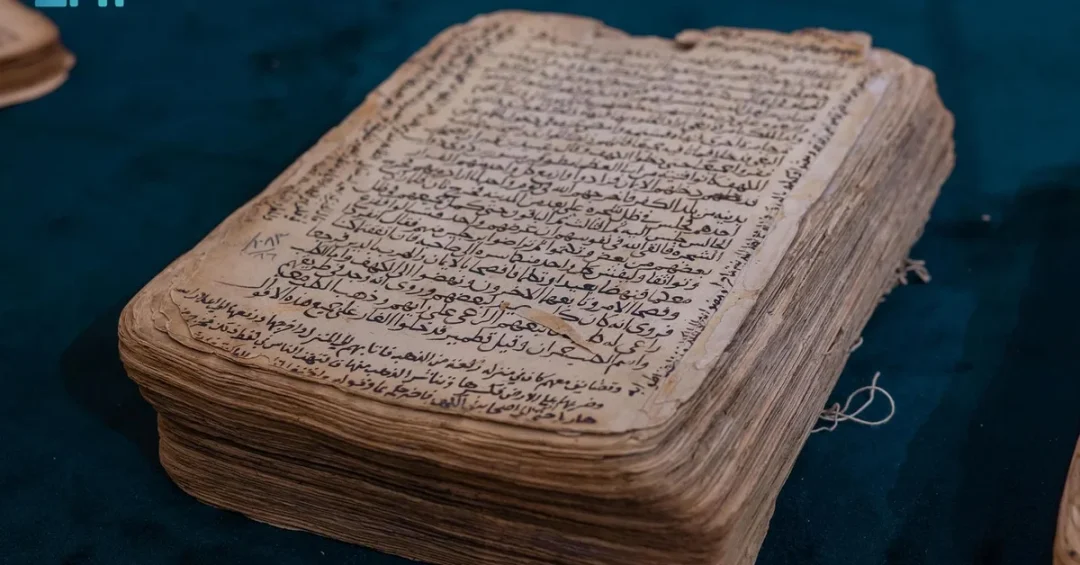
The Saudi Manuscripts Exhibition in Riyadh is standing out as a global cultural icon, showcasing a human heritage spanning more than 1,200 years and underscoring the Kingdom’s dedication to preserving world cultural legacy. Organized by the Libraries Commission, the exhibition brings together rare manuscripts, researchers, and culture enthusiasts from around the world, blending historical richness with modernity in a way that highlights Saudi Arabia’s growing role as a hub for intercultural dialogue and innovation. Have you ever wondered how a single exhibition can bridge centuries of human knowledge with the technologies of tomorrow? This event, reported by the Saudi Press Agency (SPA), offers a compelling answer, presenting over 2,000 rare manuscripts that trace the intellectual and cultural history of the Arabian Peninsula and beyond.
The exhibition, which continues to draw visitors in the Saudi capital, serves as a testament to the Kingdom’s commitment to safeguarding cultural heritage while promoting awareness of its civilizational value. It features ancient copies of the Holy Quran, scientific, medical, and astronomy texts, and manuscripts from the First Saudi State, each artifact telling a story of human curiosity and advancement. By hosting 22 workshops and 30 panel discussions, the Libraries Commission has created a dynamic platform where global experts share the latest techniques in manuscript preservation and restoration. This initiative not only celebrates the past but also fosters collaboration that will shape the future of cultural conservation. Isn’t it remarkable how such gatherings can transform historical treasures into living sources of inspiration for generations to come?
Context and Background
What drives a nation to invest so deeply in the preservation of ancient texts? For Saudi Arabia, the answer lies in a profound respect for knowledge and a strategic vision that places culture at the heart of national identity. The Saudi Manuscripts Exhibition, organized by the Libraries Commission, emerges from a long tradition of scholarship in the Arabian Peninsula, a region that has served as a crossroads of civilizations for millennia. The exhibition builds on the Kingdom’s ongoing efforts to document and protect its rich heritage, which includes not only Islamic manuscripts but also works from the First Saudi State and scientific treatises that reflect the intellectual ferment of earlier eras. By assembling over 2,000 rare manuscripts, the event provides a window into the diverse influences that have shaped the region’s cultural landscape.
The Libraries Commission, a key cultural institution in Saudi Arabia, has been at the forefront of efforts to digitize and preserve manuscripts, leveraging modern technology to ensure their survival for future generations. This exhibition is a natural extension of that mission, offering a physical and virtual space where visitors can engage with history firsthand. It also aligns with the broader objectives of Saudi Vision 2030, which seeks to diversify the economy and promote cultural tourism as part of a comprehensive modernization strategy. The event’s emphasis on international collaboration—evident in the participation of global experts and researchers—reflects the Kingdom’s openness to sharing its heritage with the world and learning from others. How often do we see a nation so actively weaving its past into its plans for the future?
Key Details and Exhibits
At the heart of the exhibition are the manuscripts themselves, each a unique artifact that offers insights into the intellectual and cultural life of the Arabian Peninsula and the wider Islamic world. Among the highlights are ancient copies of the Holy Quran, meticulously preserved and displayed with reverence, alongside scientific, medical, and astronomy texts that demonstrate the advanced state of knowledge in the region during the Islamic Golden Age. Manuscripts from the First Saudi State provide a glimpse into the political and social history of the Kingdom’s early foundations, while other documents record the cultural and intellectual exchanges that took place along trade routes and pilgrimage paths. These items are not merely relics; they are evidence of a vibrant, interconnected world that valued learning and inquiry.
The exhibition’s program of 22 workshops and 30 panel discussions further enriches the visitor experience, offering hands-on opportunities to learn about manuscript preservation and restoration. Experts from various countries share techniques ranging from traditional conservation methods to cutting-edge digital imaging and analysis. This collaborative approach not only enhances the skills of local professionals but also builds a global network of specialists dedicated to safeguarding cultural heritage. The Libraries Commission’s use of technology to preserve manuscripts—such as high-resolution scanning and 3D modeling—ensures that these fragile documents can be studied without risk of damage, making them accessible to researchers and the public alike. Isn’t it fascinating how technology can both protect and democratize access to our shared history?
International and Regional Impact
How does an exhibition in Riyadh resonate beyond the borders of Saudi Arabia? The Saudi Manuscripts Exhibition has quickly become a global hub for dialogue and innovation, attracting visitors and researchers from around the world. By showcasing a heritage that spans over 1,200 years, it positions the Kingdom as a custodian of human civilization, not just Islamic heritage. This role enhances Saudi Arabia’s soft power and strengthens its diplomatic ties, as cultural exchange often paves the way for broader cooperation in areas such as education, science, and trade. The presence of international experts at the event underscores the universal appeal of the manuscripts and the shared responsibility to protect them.
Regionally, the exhibition reinforces Saudi Arabia’s leadership in cultural preservation within the Middle East and the Islamic world. It serves as a model for other nations seeking to balance modernization with the safeguarding of their heritage. By fostering collaboration among global experts, the Libraries Commission is helping to set international standards for manuscript conservation and digital archiving. This leadership role is particularly significant as the world becomes more interconnected, and cultural heritage becomes a key component of national identity and global engagement. Can you imagine the ripple effects when one nation’s dedication inspires others to protect their own cultural treasures?
Economic and Strategic Significance
What economic and strategic benefits flow from a cultural exhibition of this magnitude? The Saudi Manuscripts Exhibition contributes to the Kingdom’s economic diversification goals by attracting cultural tourism, a growing sector that aligns with Vision 2030. Visitors from around the world who come to Riyadh for the exhibition also spend on hotels, dining, and other attractions, generating revenue and creating jobs. Moreover, the event showcases Saudi Arabia’s capabilities in organizing large-scale international gatherings, which can lead to further opportunities in the meetings, incentives, conferences, and exhibitions (MICE) sector. The emphasis on technology and innovation in preservation also highlights the Kingdom’s growing expertise in digital humanities and archival science.
Strategically, the exhibition supports Saudi Arabia’s efforts to project a positive image on the global stage, one that emphasizes its rich history, cultural openness, and commitment to dialogue. By investing in cultural heritage, the Kingdom strengthens its national identity and fosters a sense of pride among its citizens, particularly the youth. It also creates a platform for international partnerships that can extend beyond culture into areas such as research, education, and technology transfer. The Libraries Commission’s work in this field demonstrates how cultural initiatives can serve as catalysts for broader economic and diplomatic objectives. Isn’t it impressive how a single event can simultaneously boost tourism, enhance global standing, and inspire a new generation?
Vision 2030 Alignment
The Saudi Manuscripts Exhibition is a shining example of how Vision 2030 is being realized on the ground, turning ambitious goals into tangible achievements. Vision 2030 aims to transform Saudi Arabia into a global investment powerhouse and a hub for cultural and intellectual activity. By preserving and promoting its manuscript heritage, the Kingdom is not only safeguarding its past but also building a foundation for future innovation. The exhibition’s focus on technology, education, and international collaboration directly supports the vision’s pillars of a vibrant society, a thriving economy, and an ambitious nation. It also aligns with the National Culture Strategy, which seeks to make culture a key contributor to the national economy and a source of pride for all Saudis.
As the exhibition continues to welcome visitors, it stands as a testament to what can be achieved when tradition meets modernity. The Libraries Commission’s efforts to digitize manuscripts and share them with the world reflect the vision’s emphasis on knowledge transfer and global engagement. For international audiences, the event offers a unique opportunity to experience Saudi Arabia’s cultural richness and to understand its role as a bridge between civilizations. In a world that often focuses on differences, the Saudi Manuscripts Exhibition reminds us of the shared heritage that unites humanity. How can we not be inspired by a nation that honors its past while boldly shaping its future?
20 Questions
Q1. What is the Saudi Manuscripts Exhibition?
A1. The Saudi Manuscripts Exhibition is a cultural event in Riyadh organized by the Libraries Commission, showcasing over 2,000 rare manuscripts that span more than 1,200 years of human heritage, including ancient Quran copies and scientific texts.
Q2. Where is the exhibition being held?
A2. The exhibition is being held in Riyadh, the capital of Saudi Arabia, and continues to attract visitors and researchers from around the world, as reported by the Saudi Press Agency.
Q3. Who organized the Saudi Manuscripts Exhibition?
A3. The exhibition is organized by the Libraries Commission, a Saudi institution dedicated to preserving cultural heritage and promoting knowledge through technology and international collaboration.
Q4. How many rare manuscripts are on display?
A4. The exhibition features over 2,000 rare manuscripts, including records from the Arabian Peninsula’s cultural history, ancient Quran copies, and scientific, medical, and astronomy texts.
Q5. What types of manuscripts can visitors see?
A5. Visitors can see ancient copies of the Holy Quran, scientific and medical treatises, astronomy texts, and manuscripts from the First Saudi State, offering a comprehensive view of the region’s intellectual heritage.
Q6. How many workshops and panel discussions are part of the event?
A6. The exhibition includes 22 workshops and 30 panel discussions that highlight the latest techniques in manuscript preservation and restoration, fostering collaboration among global experts.
Q7. What is the significance of the exhibition for Saudi Arabia?
A7. It underscores Saudi Arabia’s dedication to preserving global cultural heritage, promoting intercultural dialogue, and showcasing the Kingdom’s prominent role in safeguarding cultural treasures.
Q8. How does the exhibition promote intercultural dialogue?
A8. By uniting visitors and researchers from around the world through workshops and discussions, the exhibition creates a global hub for dialogue and innovation, fostering mutual understanding and collaboration.
Q9. What role does technology play in the exhibition?
A9. The Libraries Commission leverages technology to preserve manuscripts, using digital tools for restoration and archiving, and establishing connections with specialized international institutions.
Q10. What is the historical span of the manuscripts?
A10. The manuscripts span over 1,200 years, covering a wide range of subjects and periods, from early Islamic texts to documents from the First Saudi State.
Q11. Are there manuscripts from the First Saudi State?
A11. Yes, the exhibition includes manuscripts from the First Saudi State, providing insights into the political, social, and cultural history of the Kingdom’s early foundations.
Q12. How does the exhibition align with Vision 2030?
A12. It aligns with Vision 2030 by promoting cultural tourism, fostering international collaboration, and supporting the National Culture Strategy, which aims to make culture a key economic contributor.
Q13. Who benefits from the workshops and panel discussions?
A13. Researchers, conservators, and culture enthusiasts benefit, as they gain access to the latest preservation techniques and opportunities to network with global experts.
Q14. What is the Libraries Commission’s goal with this exhibition?
A14. The Libraries Commission aims to showcase the Kingdom’s role in preserving cultural heritage, raise awareness of its civilizational value, and leverage technology for manuscript preservation.
Q15. How can international visitors participate?
A15. International visitors can attend the exhibition in Riyadh, join workshops and panel discussions, and engage with the displayed manuscripts and experts from around the world.
Q16. What makes the manuscripts unique?
A16. Each manuscript is a unique artifact that reflects the intellectual and cultural exchanges of the Arabian Peninsula, including rare Quran copies and scientific texts from the Islamic Golden Age.
Q17. Does the exhibition include manuscripts from outside Saudi Arabia?
A17. The exhibition focuses on manuscripts related to the Arabian Peninsula and Islamic heritage, but it also fosters collaboration with international institutions, highlighting universal human heritage.
Q18. How does the exhibition contribute to cultural tourism?
A18. By attracting visitors from around the world, the exhibition boosts cultural tourism in Riyadh, generating revenue for hotels, restaurants, and other sectors, in line with Vision 2030 goals.
Q19. What is the expected impact on future generations?
A19. The exhibition inspires future generations by preserving and sharing cultural heritage, fostering pride in Saudi identity, and promoting global dialogue and understanding.
Q20. How can one learn more about the Saudi Manuscripts Exhibition?
A20. More information can be obtained through official Saudi channels, such as the Saudi Press Agency and the Libraries Commission, which provide updates and details about the event.
Reader Feedback
We value your thoughts. Please share your feedback on this article.
Your feedback helps us improve our coverage.
Related articles
 9th King Abdulaziz Camel Festival Attracts Diverse Investments
 French President Macron Tours AlUla’s Historic Hegra Sites
 Saudi Arabia Inscribes Taif Rose Practices on UNESCO List
 Saudi Arabia Registers Semsemiah on UNESCO Heritage List
 Macron Launches Villa Hegra in AlUla, Strengthening Saudi-French Ties
 Saudi Film Commission Shines at Red Sea Film Festival