


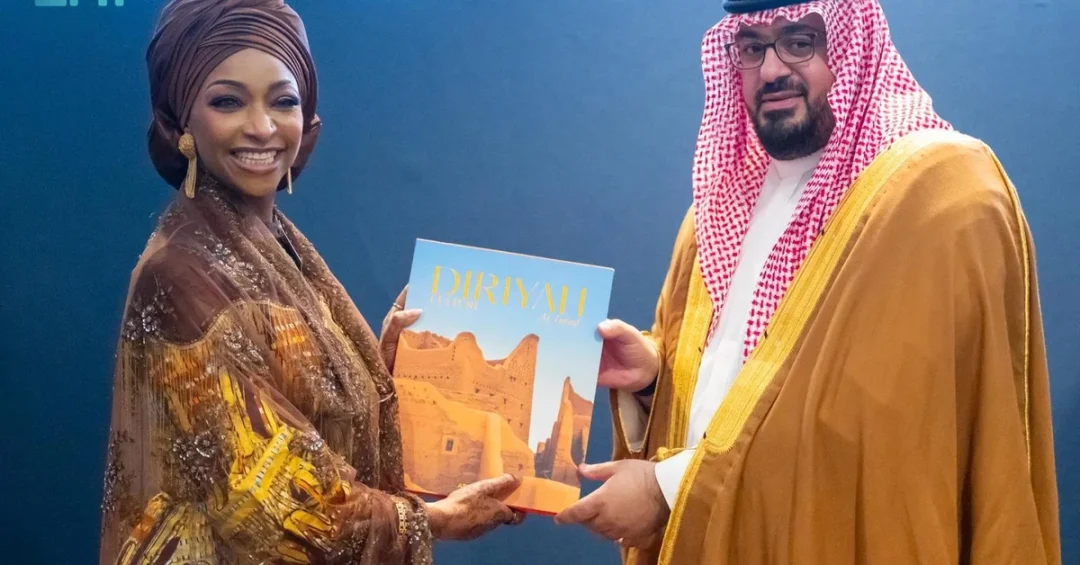
Minister of Economy and Planning Faisal F. Alibrahim met with Nigeria’s Minister of Art, Culture, and Creative Economy Hannatu Musa Musawa on the sidelines of the Summit of the Future in New York on September 26, 2024, to discuss areas of collaboration and topics of common interest. The meeting, reported by the Saudi Press Agency (SPA), underscores Saudi Arabia’s growing engagement in international cultural diplomacy and its commitment to fostering partnerships that align with the Kingdom’s Vision 2030 objectives.
Context and Background
The Summit of the Future, held at the United Nations Headquarters in New York, brings together global leaders to address critical challenges and enhance multilateral cooperation. Saudi Arabia’s active participation reflects its dedication to shaping a prosperous and sustainable future, in line with Vision 2030. The meeting between Minister Alibrahim and Minister Musawa highlights the intersection of economic planning and creative industries, a sector increasingly recognized for its contribution to GDP and job creation worldwide.
Saudi Arabia has been steadily expanding its cultural and creative economy as part of its economic diversification strategy. The Kingdom’s Ministry of Economy and Planning plays a pivotal role in integrating cultural initiatives into national development plans, while Nigeria’s Ministry of Art, Culture, and the Creative Economy, established in 2023, aims to harness the country’s rich cultural heritage for economic growth. This dialogue signals a mutual interest in leveraging cultural assets to drive innovation and international collaboration.
Key Details
During the meeting, Minister Alibrahim and Minister Musawa discussed potential avenues for collaboration, including exchange programs, joint cultural events, and investment opportunities in the creative sector. While specific agreements were not disclosed, the conversation focused on sharing expertise in cultural policy, creative entrepreneurship, and digital innovation. The Saudi minister emphasized the Kingdom’s experience in integrating entertainment and culture into its economic framework, citing initiatives such as the Quality of Life Program and the establishment of cultural institutions like the Royal Commission for AlUla.
Nigeria’s Minister Musawa expressed interest in learning from Saudi Arabia’s rapid transformation, particularly in how the Kingdom has developed world-class cultural infrastructure and attracted global events. Both ministers agreed on the importance of cultural diplomacy in strengthening bilateral ties and promoting people-to-people connections. The meeting also touched on the role of creative industries in empowering youth and women, a shared priority for both nations.
Implications and Impact
This high-level engagement between Saudi Arabia and Nigeria carries significant implications for regional and international cooperation. It positions the Kingdom as a leader in cultural diplomacy and economic diversification, offering a model for other nations seeking to unlock the potential of their creative sectors. For Nigeria, collaboration with Saudi Arabia could provide access to expertise, funding, and platforms to showcase its vibrant cultural output on a global stage.
The meeting also reinforces Saudi Arabia’s broader strategy of forging partnerships across Africa, a continent with which the Kingdom shares historical, economic, and cultural ties. By engaging with Nigeria, Africa’s largest economy and most populous nation, Saudi Arabia strengthens its diplomatic footprint and opens doors for enhanced trade and investment. The cultural sector, in particular, offers opportunities for knowledge exchange and joint ventures that can drive sustainable development and mutual prosperity.
Vision 2030 Alignment
Saudi Arabia’s Vision 2030 aims to diversify the economy away from oil, with culture and entertainment identified as key growth sectors. The meeting between Minister Alibrahim and Minister Musawa directly supports this vision by exploring collaborative pathways that can enhance the Kingdom’s cultural economy and international partnerships. As Saudi Arabia continues to invest in cultural infrastructure, events, and creative talent, collaborations with countries like Nigeria will play a vital role in enriching its cultural landscape and achieving its ambitious goals. This dialogue exemplifies the Kingdom’s forward-looking approach to global engagement, ensuring that Vision 2030 not only transforms Saudi Arabia but also contributes to shared prosperity worldwide.
20 Questions
Q1. Who met with Nigeria’s Minister of Art, Culture, and Creative Economy?
A1. Saudi Arabia’s Minister of Economy and Planning, Faisal F. Alibrahim, met with Nigeria’s Minister of Art, Culture, and Creative Economy, Hannatu Musa Musawa, on the sidelines of the Summit of the Future in New York.
Q2. When did the meeting take place?
A2. The meeting took place on September 26, 2024, during the Summit of the Future in New York.
Q3. What was the purpose of the meeting?
A3. The meeting aimed to discuss areas of collaboration and topics of common interest, particularly in the cultural and creative economy sectors, to strengthen bilateral ties and explore partnership opportunities.
Q4. What is the Summit of the Future?
A4. The Summit of the Future is a United Nations event that brings together world leaders to address global challenges and enhance multilateral cooperation for a better future.
Q5. Why is Saudi Arabia focusing on cultural diplomacy?
A5. Saudi Arabia is focusing on cultural diplomacy as part of Vision 2030 to diversify its economy, promote international partnerships, and showcase its rich cultural heritage on a global stage.
Q6. What is Nigeria’s Ministry of Art, Culture, and Creative Economy?
A6. Established in 2023, Nigeria’s Ministry of Art, Culture, and Creative Economy aims to harness the country’s cultural assets to drive economic growth and job creation.
Q7. How does this meeting align with Saudi Vision 2030?
A7. The meeting aligns with Vision 2030 by exploring collaborations that can enhance Saudi Arabia’s cultural economy, support economic diversification, and foster international partnerships in creative industries.
Q8. What specific topics were discussed?
A8. Topics included potential collaboration in exchange programs, joint cultural events, creative entrepreneurship, digital innovation, and cultural policy expertise.
Q9. Did the meeting result in any agreements?
A9. No specific agreements were disclosed, but the discussion focused on sharing expertise and exploring future collaboration opportunities in the cultural and creative sectors.
Q10. What role does culture play in Saudi Arabia’s economy?
A10. Culture is a key growth sector in Saudi Arabia’s economy, contributing to diversification, job creation, and international engagement under Vision 2030 initiatives like the Quality of Life Program.
Q11. How can Nigeria benefit from this collaboration?
A11. Nigeria can gain access to Saudi expertise, funding, and platforms to showcase its cultural output, while learning from the Kingdom’s rapid transformation in cultural infrastructure.
Q12. What is the significance of Saudi Arabia engaging with Africa?
A12. Engaging with Africa strengthens Saudi Arabia’s diplomatic footprint, opens trade and investment opportunities, and builds on historical ties, with Nigeria being a key partner due to its economic and demographic weight.
Q13. Who is Faisal F. Alibrahim?
A13. Faisal F. Alibrahim is the Minister of Economy and Planning of Saudi Arabia, responsible for driving the Kingdom’s economic diversification and development strategies.
Q14. Who is Hannatu Musa Musawa?
A14. Hannatu Musa Musawa is Nigeria’s Minister of Art, Culture, and Creative Economy, leading efforts to leverage Nigeria’s cultural heritage for economic growth.
Q15. What are the shared priorities between Saudi Arabia and Nigeria?
A15. Shared priorities include empowering youth and women, promoting cultural diplomacy, and developing creative industries as drivers of economic growth and social development.
Q16. How does this meeting reflect Saudi Arabia’s global role?
A16. It demonstrates Saudi Arabia’s proactive approach to international diplomacy, economic diversification, and cultural exchange, positioning the Kingdom as a leader in global cultural and creative economy discussions.
Q17. What are some Saudi cultural initiatives mentioned?
A17. Initiatives include the Quality of Life Program and the Royal Commission for AlUla, which develop cultural infrastructure and attract global events, showcasing Saudi Arabia’s cultural heritage.
Q18. Why is the creative economy important for both countries?
A18. The creative economy drives innovation, job creation, and GDP growth, offering opportunities for sustainable development and international collaboration in an increasingly digital world.
Q19. What might be the next steps after this meeting?
A19. Next steps could include formalizing collaboration through memoranda of understanding, organizing joint cultural events, and facilitating exchanges in creative entrepreneurship and digital innovation.
Q20. How does this meeting contribute to Vision 2030?
A20. It contributes by fostering international partnerships that enhance Saudi Arabia’s cultural economy, support economic diversification, and promote global engagement, all core objectives of Vision 2030.
Reader Feedback
We value your thoughts. Please share your feedback on this article.
Your feedback helps us improve our coverage.
Related articles
 Riyadh International Book Fair Opens with Global Participation
 Jeddah’s Cultural Renaissance Boosts Tourism and Vision 2030
 AI Robots Enhance Riyadh International Book Fair Experience
 Museums Commission Showcases Chinese Contemporary Art for First Time in Saudi Arabia
 Saudi Film Commission Joins Busan Film Festival
 Saudi Culinary Arts Commission Expands Global Presence