


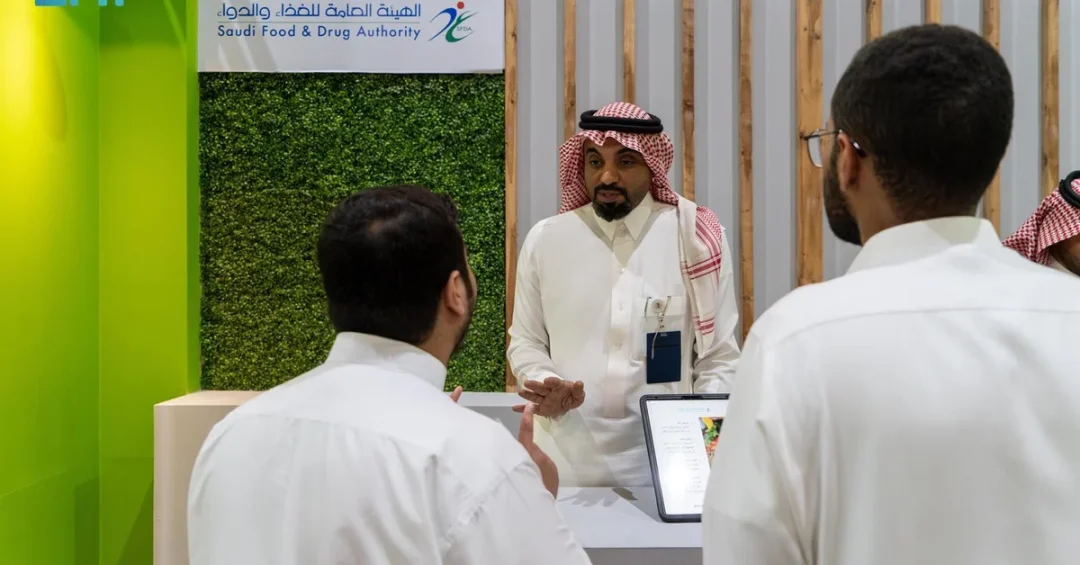
The Saudi Food and Drug Authority (SFDA) is participating in the Lomi Hasawi agriculture exhibition in Al Ahsa, showcasing its regulatory oversight of facilities and products under its purview. The exhibition, organized by the Al Ahsa Chamber, runs through Saturday and brings together officials, business leaders, investors, and farmers to discuss agricultural development and food safety. During the event, the SFDA is hosting a workshop focused on registration, licensing procedures, and quality-control methods, aiming to educate consumers and producers on safe food handling and preservation.
Context and Background
The Lomi Hasawi exhibition, held in the eastern region of Al Ahsa, is a significant platform for the agricultural sector in Saudi Arabia. It aligns with the Kingdom’s broader efforts to enhance food security and promote sustainable agricultural practices as part of Vision 2030. The SFDA’s participation underscores its commitment to ensuring the safety and quality of food and drug products across the nation. By engaging with stakeholders at such events, the authority reinforces its role in protecting public health and fostering a robust regulatory environment.
The exhibition, organized by the Al Ahsa Chamber, attracts a diverse group of participants, including local farmers, investors, and government officials. It serves as a venue for knowledge exchange and collaboration, highlighting the latest trends and technologies in agriculture. The SFDA’s workshop is a key component of the event, providing valuable insights into the regulatory framework that governs food and drug facilities and products.
Key Details
During the workshop, the SFDA will delve into the intricacies of registration and licensing procedures for facilities and products within its regulatory scope. Participants will learn about quality-control methods essential for maintaining high standards in food production and handling. The session also covers the HACCP system, a globally recognized approach to food safety management, and self-assessment programs that help businesses ensure compliance with regulations.
Additionally, the SFDA is showcasing its reporting mechanisms and investment support services, which are designed to facilitate business growth while upholding safety standards. By raising awareness among consumers and producers, the authority aims to promote best practices in food preservation and handling, reducing the risk of contamination and ensuring public health.
Implications and Impact
The SFDA’s active involvement in the Lomi Hasawi exhibition reflects its proactive approach to regulatory oversight and stakeholder engagement. By educating both consumers and producers, the authority contributes to a culture of safety and quality within the food and drug sectors. This, in turn, enhances consumer confidence and supports the growth of local industries, aligning with Saudi Arabia’s economic diversification goals.
Furthermore, the workshop provides a platform for businesses to understand and comply with regulatory requirements, fostering a level playing field and encouraging investment. The emphasis on self-assessment and HACCP systems empowers facilities to take ownership of their safety protocols, leading to higher operational standards and reduced regulatory burdens. Such initiatives are crucial for ensuring a sustainable and resilient food supply chain in the Kingdom.
Vision 2030 Alignment
The SFDA’s efforts are closely tied to Vision 2030, which seeks to diversify the economy, enhance quality of life, and ensure food security. By promoting safe food practices and supporting local producers, the authority contributes to the development of a vibrant agricultural sector and a healthier society. This aligns with the Vision’s strategic objectives of improving public health, fostering economic growth, and achieving environmental sustainability.
As Saudi Arabia continues to transform its economy and society, the SFDA remains a vital player in safeguarding public health and facilitating trade. Its participation in events like the Lomi Hasawi exhibition demonstrates a commitment to collaboration and innovation, essential for realizing the ambitious goals of Vision 2030.
20 Questions
Q1. What is the Lomi Hasawi agriculture exhibition?
A1. The Lomi Hasawi agriculture exhibition is a significant event held in Al Ahsa, Saudi Arabia, organized by the Al Ahsa Chamber. It brings together officials, business leaders, investors, and farmers to discuss agricultural development and food safety. The exhibition serves as a platform for knowledge exchange and collaboration, highlighting the latest trends in agriculture and supporting the Kingdom’s food security goals.
Q2. Who is participating in the Lomi Hasawi exhibition?
A2. The exhibition hosts a diverse group of participants, including officials from government agencies, business leaders, investors, and local farmers. The Saudi Food and Drug Authority (SFDA) is actively participating, along with other stakeholders. This broad participation fosters collaboration and innovation within the agricultural sector, contributing to the exhibition’s success and impact.
Q3. What is the role of the SFDA at the exhibition?
A3. The SFDA is hosting a workshop focused on its regulatory oversight of facilities and products. The session covers registration, licensing procedures, and quality-control methods. Additionally, the SFDA aims to educate consumers and producers about safe food handling and preservation, showcasing programs like self-assessment and the HACCP system. Its role is to raise awareness and promote compliance with regulations.
Q4. What is the HACCP system?
A4. The HACCP system, or Hazard Analysis and Critical Control Points, is an internationally recognized food safety management approach. It identifies, evaluates, and controls hazards significant for food safety. The SFDA promotes HACCP to help facilities ensure the safe production and handling of food products, thereby protecting public health and enhancing consumer confidence.
Q5. How does the SFDA’s participation benefit consumers?
A5. The SFDA’s participation educates consumers on safe food handling and preservation practices, reducing the risk of foodborne illnesses. By raising awareness about regulatory standards and quality-control methods, consumers can make informed choices and hold producers accountable. This ultimately enhances public health and fosters a culture of safety within the food sector.
Q6. What are the registration and licensing procedures discussed?
A6. The SFDA’s workshop examines the intricacies of registration and licensing procedures for facilities and products under its purview. These procedures ensure that businesses comply with regulatory requirements before operating. The session provides clarity on the steps involved, helping stakeholders navigate the regulatory landscape efficiently and maintain high standards of safety and quality.
Q7. How does the SFDA support investment in the food sector?
A7. The SFDA offers investment support services that facilitate business growth while upholding safety standards. By providing guidance on regulatory compliance, the authority helps investors and entrepreneurs navigate requirements smoothly. This support encourages investment in the food sector, contributing to economic diversification and the development of a robust local industry aligned with Vision 2030.
Q8. What is the significance of the Al Ahsa Chamber in organizing the exhibition?
A8. The Al Ahsa Chamber plays a pivotal role in organizing the Lomi Hasawi exhibition, demonstrating its commitment to regional agricultural development. By bringing together diverse stakeholders, the Chamber fosters collaboration and knowledge exchange. This supports the growth of the agricultural sector in Al Ahsa and contributes to the national economy, aligning with Saudi Arabia’s Vision 2030 objectives.
Q9. How does the exhibition align with Vision 2030?
A9. The exhibition aligns with Vision 2030 by promoting food security, sustainable agriculture, and economic diversification. It provides a platform for stakeholders to discuss innovations and best practices, supporting the Kingdom’s goals of enhancing quality of life and ensuring a resilient food supply chain. The SFDA’s participation reinforces these objectives through regulatory oversight and education.
Q10. What are self-assessment programs mentioned by the SFDA?
A10. Self-assessment programs are tools that help food facilities evaluate their compliance with regulatory standards. These programs enable businesses to identify and address potential issues proactively, ensuring ongoing adherence to safety and quality requirements. The SFDA promotes self-assessment to foster a culture of responsibility and continuous improvement within the food industry.
Q11. Why is food safety important for Saudi Arabia?
A11. Food safety is crucial for Saudi Arabia to protect public health, ensure food security, and maintain consumer confidence. With a growing population and increasing food imports, robust regulatory oversight is essential to prevent foodborne illnesses and ensure the safety of food products. The SFDA’s efforts contribute to a healthier society and support the Kingdom’s sustainable development goals.
Q12. What quality-control methods does the SFDA emphasize?
A12. The SFDA emphasizes quality-control methods such as regular inspections, adherence to HACCP systems, and proper documentation. These methods ensure that facilities and products meet regulatory standards for safety and quality. By promoting these practices, the authority helps maintain high standards across the food and drug sectors, safeguarding public health and fostering trust.
Q13. How can producers benefit from the SFDA’s workshop?
A13. Producers can benefit by gaining a clear understanding of regulatory requirements, including registration, licensing, and quality-control procedures. The workshop provides practical insights into compliance, helping producers avoid penalties and improve their operations. Additionally, learning about self-assessment and HACCP systems enables them to enhance food safety and quality, boosting consumer confidence.
Q14. What is the SFDA’s role in protecting public health?
A14. The SFDA is responsible for regulating food, drugs, and medical devices to ensure their safety, quality, and efficacy. Through oversight, inspections, and public awareness campaigns, the authority protects consumers from health risks. Its participation in events like the Lomi Hasawi exhibition reflects its commitment to proactive engagement and education, reinforcing its role as a guardian of public health.
Q15. How does the SFDA handle reporting of violations?
A15. The SFDA has established reporting mechanisms that allow consumers and businesses to report violations or concerns regarding food and drug safety. These reports are investigated promptly, and appropriate actions are taken to address non-compliance. This system ensures accountability and continuous improvement, contributing to a safer marketplace and protecting public health.
Q16. What is the duration of the Lomi Hasawi exhibition?
A16. The Lomi Hasawi exhibition runs through Saturday, as announced by the organizers. This multi-day event provides ample opportunity for participants to engage in workshops, network, and explore the latest developments in agriculture. The SFDA’s workshop is a key highlight, offering valuable insights into regulatory compliance and food safety.
Q17. How does the SFDA engage with farmers directly?
A17. The SFDA engages with farmers through workshops, exhibitions, and awareness campaigns. By participating in events like the Lomi Hasawi exhibition, the authority communicates directly with farmers, addressing their concerns and providing guidance on regulatory requirements. This engagement helps farmers understand and comply with safety standards, enhancing the overall quality of agricultural products.
Q18. What are the economic benefits of such exhibitions?
A18. Exhibitions like Lomi Hasawi stimulate economic growth by facilitating business connections, showcasing investment opportunities, and promoting innovation. They attract investors and support local producers, leading to job creation and increased trade. For Saudi Arabia, such events contribute to economic diversification and the development of a resilient agricultural sector, aligning with Vision 2030.
Q19. What food-related programs does the SFDA showcase?
A19. The SFDA showcases programs including self-assessment, the HACCP system, reporting mechanisms, and investment support. These programs are designed to educate stakeholders, ensure compliance, and facilitate business growth. By highlighting these initiatives
Reader Feedback
We value your thoughts. Please share your feedback on this article.
Your feedback helps us improve our coverage.