


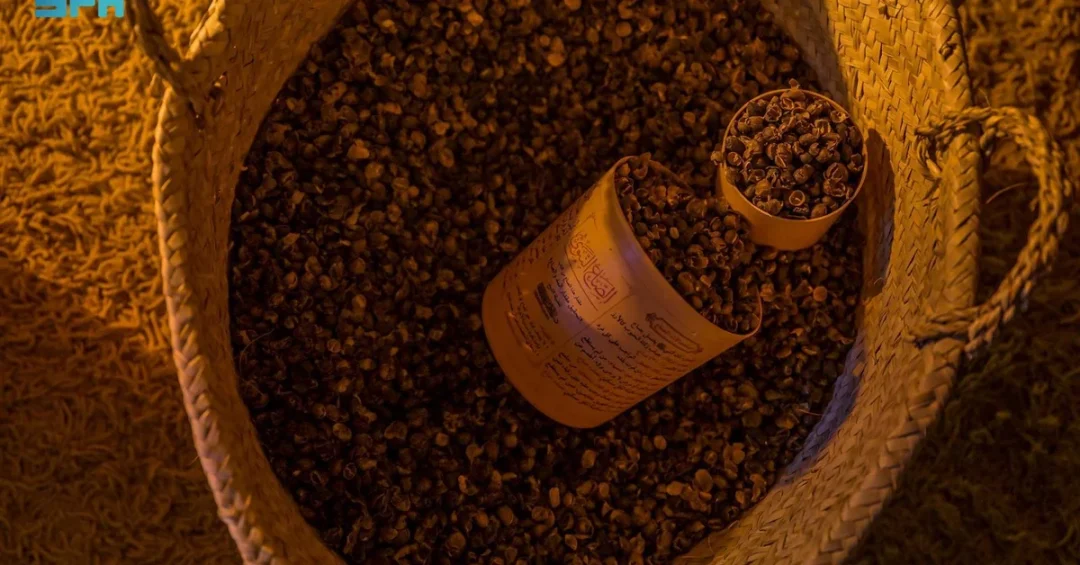
The highlands of the Al-Baha Region in Saudi Arabia, including the agricultural lands of Lower Shada (Shada Al-Asfal) and Upper Shada (Shada Al-Ala) mountains, are renowned for their ideal climate that fosters the growth of the distinctive Shada coffee. Named after the two mountains, this coffee is celebrated for its unique flavour and exceptional quality, making it a highly coveted choice among coffee enthusiasts around the world. According to a report by the Saudi Press Agency (SPA), the region’s dedication to cultivating this exceptional coffee is a testament to the rich coffee farming heritage of the people of Shada.
Context and Background
The Al-Baha Region, located in the southwestern part of Saudi Arabia, is known for its mountainous terrain and temperate climate, which provide an ideal environment for agriculture. Coffee cultivation in this region dates back centuries and is an integral part of the local culture and economy. The Shada mountains, in particular, have gained recognition for producing coffee beans with a unique flavour profile that distinguishes them from other varieties. This heritage is being preserved and promoted as part of Saudi Arabia’s broader efforts to diversify the economy and enhance agricultural sustainability under Vision 2030.
Key Details
In an interview with the Saudi Press Agency, Abdullah Al-Ghamdi, a coffee farmer from the Shada area, shared insights into the intricate process of Shada coffee cultivation. According to Al-Ghamdi, coffee cultivation takes three years, commencing in late summer and culminating in the harvesting phase at the onset of the fourth year. Once the coffee fruit is collected, it is carefully sun-dried on the rooftops of houses for three days. After that, the coffee beans are meticulously collected again and stored indoors, shielded from direct sunlight for two days, followed by a secondary drying process on the rooftops for another five days.
Throughout this process, the coffee beans change colour from red to black and lose weight due to moisture evaporation during drying. The beans are then ground using millstones specifically made for this purpose before being sold according to the customer’s preferences. This traditional method, passed down through generations, ensures the preservation of the coffee’s unique taste and aroma.
Implications and Impact
The cultivation of Shada coffee has significant implications for the local community and the broader Saudi economy. It provides a source of income for farmers in the Al-Baha Region and contributes to the preservation of traditional agricultural practices. Moreover, the growing global interest in specialty coffees presents an opportunity for Saudi Arabia to showcase its unique coffee on the international stage. This aligns with the objectives of Vision 2030, which aims to diversify the economy, promote non-oil sectors, and enhance the Kingdom’s cultural exports.
Vision 2030 Alignment
The promotion of Shada coffee is closely aligned with Saudi Arabia’s Vision 2030, which seeks to diversify the economy and promote sustainable development. By supporting local agriculture and traditional industries, the Kingdom aims to create job opportunities, preserve cultural heritage, and enhance the quality of life for its citizens. The unique flavour of Shada coffee offers the world a taste of Saudi Arabia’s rich natural resources and the dedication of its people to preserving their heritage. As the Kingdom continues to open up to the world, products like Shada coffee will play a vital role in showcasing the best of Saudi Arabia.
20 Questions
Q1. What is Shada coffee?
A1. Shada coffee is a distinctive type of coffee grown in the highlands of the Al-Baha Region, particularly on the Lower Shada and Upper Shada mountains. It is known for its unique flavour and exceptional quality.
Q2. Where is Shada coffee cultivated?
A2. Shada coffee is cultivated in the Al-Baha Region of southwestern Saudi Arabia, specifically on the agricultural lands of Lower Shada (Shada Al-Asfal) and Upper Shada (Shada Al-Ala) mountains.
Q3. What makes Shada coffee unique?
A3. Shada coffee is unique due to the ideal climate of the Shada mountains, which fosters the growth of coffee beans with a distinctive flavour and exceptional quality that sets them apart from other varieties.
Q4. How long does it take to cultivate Shada coffee?
A4. According to farmer Abdullah Al-Ghamdi, coffee cultivation takes three years. It commences in late summer and culminates in the harvesting phase at the onset of the fourth year.
Q5. What is the traditional drying process for Shada coffee?
A5. The coffee fruit is sun-dried on rooftops for three days, then stored indoors away from direct sunlight for two days, followed by a secondary drying on rooftops for another five days.
Q6. How are the coffee beans processed after drying?
A6. After drying, the beans are ground using millstones specifically made for this purpose before being sold according to the customer’s preferences.
Q7. What changes occur to the coffee beans during drying?
A7. During drying, the coffee beans change colour from red to black and lose weight due to moisture evaporation.
Q8. Who is Abdullah Al-Ghamdi?
A8. Abdullah Al-Ghamdi is a coffee farmer from the Shada area who shared insights into the cultivation process of Shada coffee with the Saudi Press Agency.
Q9. Why is Shada coffee highly coveted?
A9. Shada coffee is highly coveted among coffee enthusiasts due to its unique flavour and exceptional quality, which result from the region’s ideal climate and traditional cultivation methods.
Q10. How does Shada coffee reflect Saudi heritage?
A10. The dedication of the people of Shada to cultivating this exceptional coffee demonstrates their commitment to preserving their rich coffee farming heritage, offering the world a taste of Saudi coffee infused with nature.
Q11. What role does Shada coffee play in the local economy?
A11. Shada coffee provides a source of income for farmers in the Al-Baha Region and contributes to the preservation of traditional agricultural practices, supporting the local economy.
Q12. How does Shada coffee align with Vision 2030?
A12. Shada coffee aligns with Vision 2030 by promoting economic diversification, sustainable development, and cultural exports, while preserving heritage and creating job opportunities.
Q13. What is the significance of the Al-Baha Region for coffee cultivation?
A13. The Al-Baha Region’s mountainous terrain and temperate climate provide an ideal environment for coffee cultivation, making it a key area for producing high-quality coffee like Shada.
Q14. How is Shada coffee sold?
A14. Shada coffee is sold according to customer preferences after being ground using traditional millstones. It is available in local markets and increasingly sought after by international buyers.
Q15. What is the historical background of coffee farming in Shada?
A15. Coffee farming in Shada dates back centuries and is an integral part of the local culture. The traditional methods have been passed down through generations, preserving the unique quality of the coffee.
Q16. What challenges do Shada coffee farmers face?
A16. While specific challenges were not detailed, farmers like Abdullah Al-Ghamdi continue to practice traditional cultivation methods to maintain the coffee’s unique flavour and quality, overcoming environmental and market challenges.
Q17. How does Shada coffee contribute to Saudi Arabia’s global image?
A17. Shada coffee showcases Saudi Arabia’s rich natural resources and cultural heritage, enhancing the Kingdom’s global image as a producer of high-quality specialty coffee and a destination for agricultural tourism.
Q18. What is the future outlook for Shada coffee?
A18. With growing global interest in specialty coffees and support from Vision 2030 initiatives, the future outlook for Shada coffee is promising, with potential for increased production and international recognition.
Q19. How can consumers purchase Shada coffee?
A19. Consumers can purchase Shada coffee through local markets in Saudi Arabia and potentially through international specialty coffee retailers as its popularity grows.
Q20. What does Shada coffee symbolize for Saudi Arabia?
A20. Shada coffee symbolizes Saudi Arabia’s rich agricultural heritage, the dedication of its people, and the Kingdom’s commitment to preserving traditions while embracing modernization and global engagement under Vision 2030.
Reader Feedback
We value your thoughts. Please share your feedback on this article.
Your feedback helps us improve our coverage.
Related articles
 KFCRIS and Abdullah bin Idris Cultural Center Sign MoU
 Red Sea History Center Launches Compass Program
 Saudi Embassy in Poland Celebrates International Year of Camelids
 Diplomats Visit “Imagine Monet” at Jeddah Season 2024
 Cairo Nights Enriches Jeddah Season 2024
 Jeddah Season Hosts Monet Exhibition with 200+ Works