


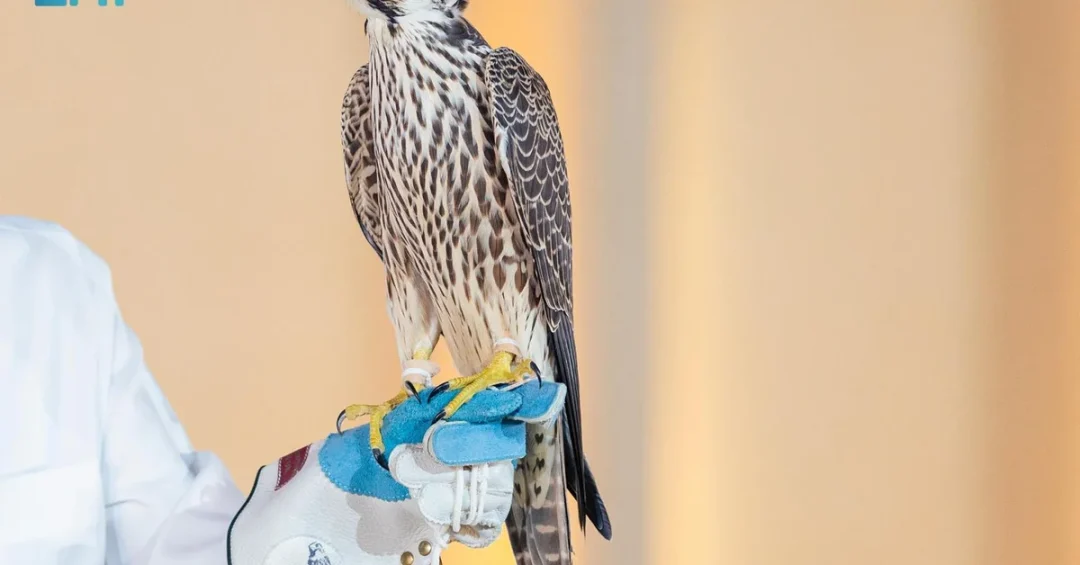
A Shaheen falcon from Al-Lith has been sold for SAR150,000 at the Saudi Falcons Club auction, underscoring the Kingdom’s rich falconry heritage and its growing economic significance. The sale took place at the club’s headquarters in Malham, north of Riyadh, as part of an auction running from October 1 to November 15, 2024. The event, reported by the Saudi Press Agency (SPA), highlights the cultural and economic value of falconry in Saudi Arabia and aligns with the goals of Saudi Vision 2030 to preserve heritage and boost tourism. How does such a remarkable sale reflect the deeper traditions and modern ambitions of the Kingdom?
The auction, organized by the Saudi Falcons Club, is the largest official public sale of falcons in the Kingdom. It provides a platform for falconers to showcase and trade their birds, while also celebrating the ancient art of falconry, which has been an integral part of Arabian culture for centuries. The club offers comprehensive support to falconers, including housing and transportation to the auction venue, and broadcasts the event live on television and social media, ensuring broad accessibility and engagement. This initiative not only preserves a cherished tradition but also contributes to the Kingdom’s economic diversification efforts under Vision 2030.
Context and Background
Falconry has deep roots in Saudi Arabia, dating back thousands of years to the Bedouin tribes who relied on falcons for hunting and survival in the desert. Today, it remains a symbol of prestige, skill, and cultural identity. The Saudi Falcons Club, established to promote and regulate falconry, plays a pivotal role in maintaining this heritage. The club’s auction, now in its fourth year, has become a major event on the Kingdom’s cultural calendar, attracting falconers and enthusiasts from across the region. Isn’t it fascinating how a tradition once essential for survival has evolved into a celebrated cultural and economic activity?
The auction’s setting at Malham, north of Riyadh, provides a dedicated space for falconers to gather and trade. The event runs for six weeks, allowing ample time for transactions and cultural exchange. The Shaheen falcon sold is a prime example of the high-quality birds available, measuring 15 inches in length, 15.25 inches in width, and weighing 0.99 kilograms. Such precise metrics are crucial for falconers who value the physical attributes of their birds. The sale price of SAR150,000 reflects the falcon’s exceptional quality and the strong demand for elite falcons in the Kingdom.
The Saudi Falcons Club’s efforts extend beyond the auction. It organizes training programs, awareness campaigns, and research initiatives to ensure the sustainability of falconry. These activities are supported by the Saudi government as part of a broader strategy to preserve cultural heritage while fostering economic growth. The club’s live broadcasts of the auction also serve to educate the public and attract international attention, positioning Saudi Arabia as a global hub for falconry. How does this blend of tradition and modernity position the Kingdom on the world stage?
Key Details of the Auction and the Falcon
The star of the auction, a Shaheen falcon from Al-Lith, was sold for SAR150,000. The Shaheen falcon, known for its speed and agility, is highly prized among falconers. This particular bird’s dimensions—15 inches long, 15.25 inches wide, and weighing 0.99 kilograms—indicate a well-proportioned and healthy specimen. The auction’s transparent process, with live broadcasts, ensures fair competition and allows buyers to assess the birds remotely. The Saudi Falcons Club’s provision of housing and transportation for falconers further enhances the event’s appeal, making it accessible to a wide range of participants.
The auction features various falcon species, but the Shaheen falcon holds a special place due to its rarity and performance. Bidding is often intense, with prices ranging from tens of thousands to over a million Saudi Riyals for exceptional birds. The SAR150,000 sale price for this Shaheen falcon places it among the higher-tier transactions, reflecting the bird’s quality and the buyer’s commitment to the sport. The proceeds from the auction support the club’s activities and contribute to the local economy, creating opportunities for businesses involved in falconry-related goods and services. What drives individuals to invest such significant sums in these magnificent birds?
In addition to the auction, the Saudi Falcons Club hosts the King Abdulaziz Falconry Festival, the world’s largest falconry event, which further cements the Kingdom’s leadership in this field. The festival and auction together attract thousands of visitors, including international participants, boosting tourism and showcasing Saudi Arabia’s cultural heritage. The club’s use of digital platforms to broadcast the auction and engage with a global audience demonstrates its forward-thinking approach. This integration of tradition with modern technology is a hallmark of Vision 2030, which seeks to preserve culture while embracing innovation.
International and Regional Impact
The Saudi Falcons Club auction has significant implications for the regional and international falconry community. Falconry is practiced in many countries across the Middle East, Central Asia, and beyond, and Saudi Arabia’s auction serves as a benchmark for prices and standards. The event attracts buyers from neighboring Gulf states and further afield, fostering cultural exchange and economic ties. The live broadcasts enable international enthusiasts to participate virtually, expanding the auction’s reach. This global engagement enhances Saudi Arabia’s soft power and promotes understanding of its cultural heritage. How does this auction strengthen Saudi Arabia’s connections with the world?
Regionally, the auction reinforces the Kingdom’s role as a leader in preserving Arabian heritage. Other Gulf nations have similar traditions, but Saudi Arabia’s scale and organization set it apart. The event also contributes to the local economy by creating jobs, supporting businesses, and generating tourism revenue. International media coverage, such as the SPA report, further amplifies the auction’s significance, attracting attention from global falconry enthusiasts and potential investors. The club’s commitment to sustainability and ethical practices also sets a positive example for the region, aligning with global conservation efforts.
Economic and Strategic Significance
The sale of a single falcon for SAR150,000 highlights the economic potential of falconry as a niche market. The Saudi Falcons Club auction generates millions of Riyals in transactions, contributing to the Kingdom’s economy. Beyond direct sales, the event stimulates related industries such as veterinary services, equipment manufacturing, and tourism. Falconry also plays a role in Saudi Arabia’s cultural diplomacy, attracting high-net-worth individuals and enthusiasts who spend on hospitality, travel, and other experiences. This economic activity supports Vision 2030’s goal of diversifying revenue streams away from oil. Isn’t it impressive how a traditional sport can drive modern economic growth?
Strategically, the auction reinforces Saudi Arabia’s commitment to preserving its identity while pursuing modernization. By investing in cultural events like this, the Kingdom strengthens social cohesion and national pride. The Saudi Falcons Club’s initiatives also align with environmental sustainability goals, as falconry depends on healthy ecosystems. The club promotes responsible hunting and breeding practices, ensuring that future generations can enjoy this heritage. The auction’s success demonstrates that cultural preservation and economic development can go hand in hand, a principle at the heart of Vision 2030.
Vision 2030 Alignment
The Saudi Falcons Club auction is a prime example of how Vision 2030 integrates cultural heritage with economic diversification. Vision 2030, launched by Crown Prince Mohammed bin Salman, aims to transform Saudi Arabia into a global hub for tourism, entertainment, and investment while preserving its rich traditions. Falconry, as a cherished cultural practice, is being promoted through events like the auction to attract visitors and showcase the Kingdom’s unique offerings. The club’s efforts to modernize the auction through live broadcasts and digital engagement reflect the Vision’s emphasis on technology and innovation. How does this auction embody the spirit of a forward-looking Saudi Arabia?
Furthermore, the auction supports the Quality of Life Program, a key Vision 2030 initiative that seeks to enhance cultural and recreational activities. By providing platforms for falconers and enthusiasts, the Saudi Falcons Club contributes to community engagement and social well-being. The economic benefits, from job creation to tourism, further advance the Vision’s goal of a diversified and sustainable economy. As Saudi Arabia continues to open up to the world, events like this auction serve as ambassadors of its heritage and progress. The Kingdom’s leadership in falconry is not just about preserving the past; it’s about building a future where tradition and modernity thrive together.
20 Questions
Q1. What is the Saudi Falcons Club auction?
A1. The Saudi Falcons Club auction is the largest official public sale of falcons in Saudi Arabia, held annually at the club’s headquarters in Malham, north of Riyadh. It runs for several weeks, offering falconers a platform to buy and sell falcons while celebrating cultural heritage.
Q2. How much was the Shaheen falcon sold for?
A2. The Shaheen falcon from Al-Lith was sold for SAR150,000 at the auction. This price reflects the bird’s high quality and the strong demand for elite falcons in the Kingdom.
Q3. What are the dimensions of the sold falcon?
A3. The falcon is 15 inches long, 15.25 inches wide, and weighs 0.99 kilograms. These measurements indicate a well-proportioned and healthy bird, highly valued by falconers.
Q4. Where is the auction held?
A4. The auction is held at the Saudi Falcons Club headquarters in Malham, north of Riyadh. The venue provides a dedicated space for falconers to gather and trade.
Q5. When does the auction take place?
A5. The auction runs from October 1 to November 15, 2024. This six-week period allows ample time for transactions and cultural exchange among participants.
Q6. What support does the Saudi Falcons Club offer to falconers?
A6. The club provides housing and transportation to the auction venue, ensuring accessibility for falconers. It also broadcasts the auction live on television and social media, allowing remote participation and engagement.
Q7. Why is falconry important in Saudi Arabia?
A7. Falconry is a cherished cultural heritage in Saudi Arabia, dating back to Bedouin traditions. It symbolizes prestige, skill, and identity, and continues to be celebrated as part of the Kingdom’s national heritage.
Q8. How does the auction align with Saudi Vision 2030?
A8. The auction supports Vision 2030 by preserving cultural heritage, boosting tourism, and contributing to economic diversification. It showcases the Kingdom’s traditions while embracing modernization through digital engagement.
Q9. What is the significance of the Shaheen falcon?
A9. The Shaheen falcon is prized for its speed, agility, and rarity. It is highly sought after by falconers and represents the pinnacle of falconry excellence.
Q10. How does the auction contribute to the local economy?
A10. The auction generates millions in transactions, supports related industries like veterinary services and equipment, and attracts tourism. It creates jobs and stimulates spending in the local economy.
Q11. Can international buyers participate in the auction?
A11. Yes, international buyers can participate, especially through live broadcasts and online platforms. The auction attracts global attention, fostering cultural exchange and economic ties.
Q12. What other events does the Saudi Falcons Club organize?
A12. The club organizes the King Abdulaziz Falconry Festival, the world’s largest falconry event, along with training programs and research initiatives to promote sustainable falconry.
Q13. How does the auction promote Saudi culture globally?
A13. Through live broadcasts and international media coverage, the auction showcases Saudi Arabia’s rich falconry heritage, enhancing the Kingdom’s soft power and cultural diplomacy.
Q14. What measures ensure the welfare of falcons at the auction?
A14. The Saudi Falcons Club enforces strict standards for falcon care, including veterinary checks and ethical handling. These measures ensure the health and well-being of all birds.
Q15. What is the historical background of falconry in Saudi Arabia?
A15. Falconry has been practiced in the Arabian Peninsula for thousands of years, originally for hunting. It remains a symbol of cultural identity and is passed down through generations.
Q16. How does the auction reflect Saudi Arabia’s modernization?
A16. The auction integrates modern technology like live streaming and digital platforms, demonstrating how tradition can evolve with innovation, a key aspect of Vision 2030.
Q17. What types of falcons are sold at the auction?
A17. Various species are sold, including Shaheen, Saker, and Peregrine falcons. Each bird is evaluated for quality, and prices vary based on attributes like size, health, and pedigree.
Q18. How does the auction support environmental sustainability?
A18. The Saudi Falcons Club promotes responsible breeding and hunting practices, ensuring falcon populations remain healthy. This aligns with global conservation efforts and Vision 2030’s sustainability goals.
Q19. What role does the Saudi Press Agency play in reporting the auction?
A19. The Saudi Press Agency (SPA) provides official coverage of the auction, disseminating accurate information to local and international audiences. This enhances transparency and promotes the event.
Q20. How can one participate in future auctions?
A20. Interested falconers can register with the Saudi Falcons Club, which provides details on upcoming auctions. The club offers support and facilities to facilitate participation.
Reader Feedback
We value your thoughts. Please share your feedback on this article.
Your feedback helps us improve our coverage.