


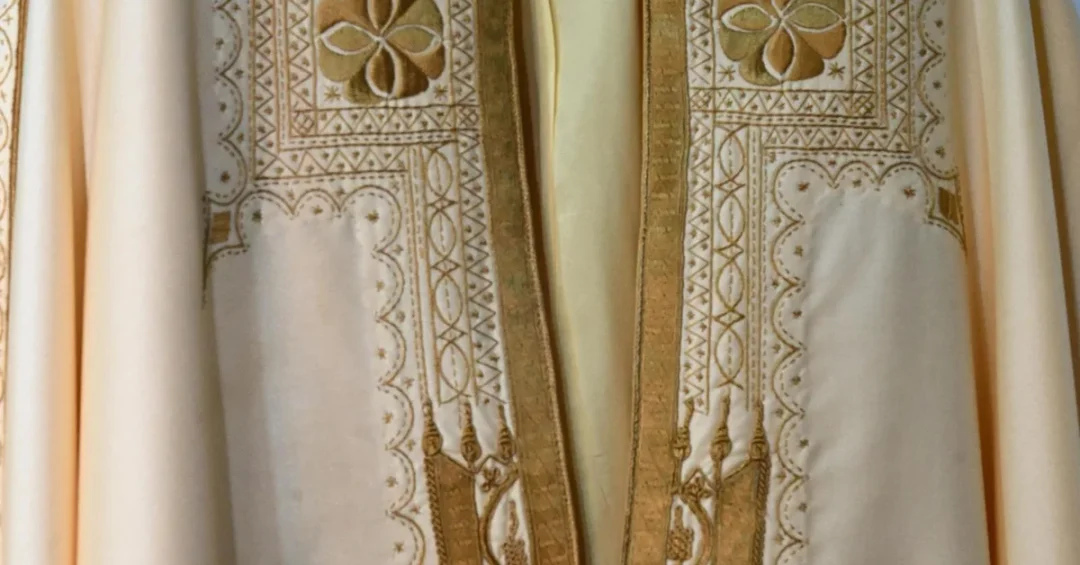
The jebba, a traditional Tunisian garment with deep Berber roots, stands as a symbol of the nation’s rich cultural heritage and artisanal excellence, as reported by the Saudi Press Agency (SPA). This long-sleeved robe, adorned with intricate embroidery, has evolved over centuries to become a cherished emblem of Tunisian identity, worn for both daily life and special occasions. Its enduring popularity reflects Tunisia’s diverse historical influences and the skill of its artisans.
Context and Background
The jebba’s origins trace back to Berber traditions, with subsequent influences from Arab, Andalusian, Ottoman, and Mediterranean cultures. This fusion has created a unique garment that embodies Tunisia’s historical crossroads. Typically made from wool or silk, the jebba features distinctive hand-embroidered designs on the neck and chest, setting it apart from similar attire in other Arab nations. While it shares similarities with traditional garments across the region, the Tunisian jebba’s specific embroidery patterns and craftsmanship are uniquely local.
Historically, the jebba was worn by men of various social classes, but its finest versions became associated with celebrations and formal events. The garment’s versatility—ranging from everyday wear to luxurious ceremonial pieces—has ensured its continued relevance in modern Tunisia. It is particularly notable that Tunisian men traditionally don the jebba on their wedding night, underscoring its cultural significance in marking life’s milestones.
Key Details
The jebba comes in several varieties, each with distinct characteristics. The most luxurious is the silk jebba, crafted from pure Tunisian silk and often intricately embroidered by skilled artisans over months. This type is reserved for formal gatherings and represents the pinnacle of Tunisian textile artistry. Another distinctive variety is woven from alternating silk and wool threads using traditional handlooms in Tozeur, a technique renowned in southern Tunisia.
For colder months, Tunisians opt for jebbas made from pure wool sourced from the East and Europe, notably England, dyed in hues such as green, blue, and gray. These provide warmth without sacrificing style. The favored jebba for festivities and family gatherings is primarily crafted from linen imported from England, demonstrating Tunisia’s historical trade connections. During summer, lighter colors like ivory and gray are preferred for everyday wear, reflecting practical adaptation to the climate.
The production of a single high-quality jebba can take weeks or even months, depending on the complexity of the embroidery. Artisans, often inheriting their skills through generations, use traditional techniques that have been passed down for centuries. This meticulous craftsmanship ensures that each jebba is not just a garment but a piece of wearable art.
Implications and Impact
The jebba’s continued popularity has significant implications for Tunisia’s cultural preservation and economic development. It supports a network of artisans, weavers, and tailors across the country, contributing to local economies and sustaining traditional crafts. Moreover, the garment serves as a cultural ambassador, showcasing Tunisia’s heritage to the world. In recent years, there has been a revival of interest in traditional attire among younger generations, who view the jebba as a symbol of national pride and identity.
From a regional perspective, the jebba reflects the shared cultural heritage of the Arab world while highlighting Tunisia’s unique contributions. It also aligns with broader trends in the Middle East and North Africa, where countries are increasingly valuing and promoting their traditional crafts as part of cultural diplomacy and economic diversification. The jebba’s appeal extends beyond Tunisia’s borders, with collectors and fashion enthusiasts appreciating its artistry.
Furthermore, the jebba industry faces challenges such as competition from mass-produced clothing and the high cost of raw materials. However, initiatives to support artisans and promote handmade goods are helping to sustain the tradition. The Saudi Press Agency’s coverage of the jebba underscores the importance of cultural exchange and mutual appreciation among Arab nations.
Vision 2030 Alignment
While the jebba is a Tunisian garment, its celebration resonates with Saudi Arabia’s Vision 2030, which emphasizes the preservation and promotion of cultural heritage as part of a diversified economy and vibrant society. Saudi Arabia’s own traditional attire, such as the thobe and bisht, similarly represents national identity and craftsmanship. By highlighting the jebba, the Saudi Press Agency contributes to a broader regional dialogue on the value of cultural heritage, supporting efforts to document and celebrate the diverse traditions of the Arab world. This aligns with Vision 2030’s goals of fostering cultural exchange, empowering artisans, and enhancing the quality of life through appreciation of heritage. As Saudi Arabia continues to host cultural events and promote tourism, garments like the jebba can find new audiences, further strengthening ties between nations.
20 Questions
Q1. What is the jebba?
A1. The jebba is a traditional Tunisian garment, a long-sleeved robe with intricate embroidery, worn by men for daily and formal occasions. It symbolizes Tunisian identity and heritage.
Q2. What are the origins of the jebba?
A2. The jebba has Berber roots and has evolved through various cultural influences, including Arab, Andalusian, and Ottoman, reflecting Tunisia’s rich historical tapestry.
Q3. What materials are used to make a jebba?
A3. Jebbas are made from wool, silk, linen, or blends. Wool is common for winter, silk for luxury, and linen for festivities, with some materials imported from England.
Q4. How is the jebba different from similar garments in other Arab countries?
A4. The Tunisian jebba features unique hand-embroidered designs on the neck and chest, setting it apart from other regional attire despite similarities in shape.
Q5. When do Tunisian men typically wear the jebba?
A5. Tunisian men wear the jebba for daily wear, formal occasions, and notably on their wedding night, making it a significant cultural symbol.
Q6. What is the significance of the silk jebba?
A6. The silk jebba, made from pure Tunisian silk and intricately embroidered over months, is the most luxurious type, reserved for formal gatherings and special events.
Q7. What is unique about the jebba from Tozeur?
A7. The Tozeur jebba is woven from alternating silk and wool threads using traditional handlooms, a technique renowned in southern Tunisia.
Q8. What colors are popular for winter jebbas?
A8. Winter jebbas often come in green, blue, and gray, dyed from pure wool sourced from the East and Europe, providing warmth and style.
Q9. What colors are preferred for summer jebbas?
A9. During summer, off-white colors such as ivory and gray are preferred for everyday wear, reflecting practical adaptation to the hot climate.
Q10. How long does it take to make a high-quality jebba?
A10. A high-quality jebba can take weeks or even months to make, depending on the complexity of the embroidery, which is often done by skilled artisans.
Q11. Who makes the jebba?
A11. Skilled artisans, often inheriting their craft through generations, make the jebba using traditional techniques passed down over centuries.
Q12. What is the economic impact of the jebba industry?
A12. The jebba industry supports artisans, weavers, and tailors, contributing to local economies and sustaining traditional crafts, especially in regions like Tozeur.
Q13. Has there been a revival of interest in the jebba?
A13. Yes, in recent years, younger generations have shown renewed interest in the jebba as a symbol of national pride and identity.
Q14. How does the jebba reflect Tunisia’s cultural diversity?
A14. The jebba reflects Tunisia’s cultural diversity through its blend of Berber, Arab, Andalusian, and Ottoman influences, seen in its design and materials.
Q15. What challenges does the jebba industry face?
A15. The industry faces challenges such as competition from mass-produced clothing and high raw material costs, but initiatives support artisans and handmade goods.
Q16. Why is the jebba considered a symbol of Tunisian identity?
A16. The jebba is considered a symbol of Tunisian identity because it embodies the nation’s authenticity, historical influences, and artisanal excellence, cherished across generations.
Q17. How does the Saudi Press Agency contribute to cultural exchange?
A17. The Saudi Press Agency contributes to cultural exchange by reporting on cultural heritage like the jebba, fostering mutual appreciation among Arab nations.
Q18. What is the relevance of the jebba to Vision 2030?
A18. The jebba’s celebration aligns with Vision 2030’s emphasis on preserving cultural heritage, supporting artisans, and enhancing quality of life through appreciation of traditions.
Q19. Are there similar garments in Saudi Arabia?
A19. Yes, Saudi Arabia has traditional garments like the thobe and bisht, which similarly represent national identity and craftsmanship, sharing cultural parallels with the jebba.
Q20. How can one acquire an authentic Tunisian jebba?
A20. Authentic jebbas can be acquired from traditional artisans in Tunisia, especially in regions like Tozeur, or through cultural exhibitions and specialty stores promoting handmade crafts.
Reader Feedback
We value your thoughts. Please share your feedback on this article.
Your feedback helps us improve our coverage.
Related articles
 Werth Camp Registration Opens for Madinah Dates Season
 Saudi Arabia Launches Al-Yamama Archaeological Project in Riyadh
 Buraidah Dates Carnival: A Celebration for All
 Cairo Theatre Festival Honors Saudi Writer Dr. Melha
 International Saudi Falcons and Hunting Exhibition to Welcome Visitors in October
 ICESCO Poetry Competition Celebrates Islamic Cultural Capitals