


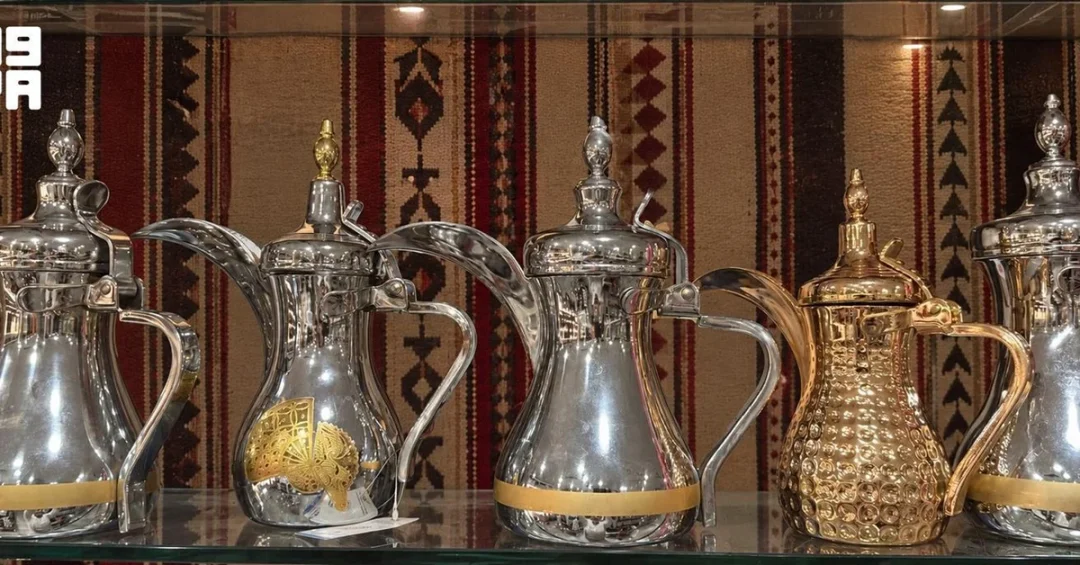
Traditional coffee-making implements remain enduring symbols of generosity and hospitality across Saudi society, holding deep historical significance in Makkah, where welcoming pilgrims and visitors has defined community life for centuries, according to the Saudi Press Agency (SPA). These handcrafted tools, which include a shallow metal pan for roasting beans, a cooling tray, a heavy metallic mortar and pestle for grinding, and the iconic long-spouted coffee pot used for brewing and serving, continue to embody the values of warmth and respect that are central to Saudi culture.
Context and Background
The tradition of Saudi coffee, known as qahwa, dates back centuries and is deeply intertwined with the social fabric of the Kingdom. In Makkah, a city that has welcomed pilgrims for generations, the preparation and serving of coffee became an elaborate ritual that signaled hospitality and community bonding. Historically, the rhythmic striking of the mortar served as an auditory signal announcing the arrival of guests and inviting neighbors and travelers into the host’s reception hall. This practice not only demonstrated the host’s generosity but also reinforced social ties within the community.
Each implement reflects regional artisanship, forged from copper, brass, iron, or carved wood with distinctive geometric motifs and shapes tailored to local environments. The multi-stage preparation routine—from open-flame roasting and cooling to grinding and brewing—transformed coffee service into an elaborate social ritual embodying values of community warmth and mutual respect.
Key Details
The traditional preparation set comprises several distinct handcrafted tools. The shallow metal pan, known as a mahmas, is used for roasting coffee beans over an open flame. After roasting, the beans are poured onto a cooling tray, or mubrad, to cool quickly. The cooled beans are then ground using a heavy metallic mortar and pestle, called a mihbash, which produces a distinctive rhythmic sound when struck. Finally, the ground coffee is brewed in the iconic long-spouted pot, or dallah, which is used for both brewing and serving.
These implements are often decorated with intricate geometric patterns and are made from materials such as copper, brass, iron, or carved wood. The design of each tool is not only functional but also reflects the aesthetic and cultural heritage of the region. The dallah, in particular, is a symbol of Saudi hospitality and is often featured in cultural events and exhibitions.
While modern appliances and thermal flasks have largely replaced manual preparation in daily routines, these historic utensils retain profound symbolic value. Today, they are prominently featured in museums, heritage exhibitions, and ceremonial gatherings, where efforts continue to document the craftsmanship, rituals, and living heritage of Saudi coffee culture for future generations.
Implications and Impact
The enduring presence of traditional coffee implements in Saudi culture highlights the Kingdom’s commitment to preserving its heritage while embracing modernity. For international audiences, these tools offer a window into the rich cultural traditions of Saudi Arabia and the importance of hospitality in Arab society. The continued use of these implements in ceremonial settings and their display in museums underscores their role as living symbols of Saudi identity.
Moreover, the preservation of coffee culture aligns with Saudi Arabia’s broader efforts to promote cultural tourism and share its heritage with the world. As the Kingdom opens up to international visitors under Vision 2030, traditional coffee rituals can serve as a unique cultural attraction, offering tourists an authentic experience of Saudi hospitality.
Vision 2030 Alignment
The preservation and promotion of traditional coffee implements and rituals are directly in line with Saudi Vision 2030, which seeks to celebrate and safeguard the Kingdom’s cultural heritage while fostering economic diversification and global engagement. By integrating these traditions into tourism and cultural initiatives, Saudi Arabia not only honors its past but also creates new opportunities for cultural exchange and economic growth. As the Kingdom continues to modernize, the symbols of Saudi hospitality, such as the dallah and mihbash, will remain enduring emblems of its welcoming spirit and rich heritage.
20 Questions
Q1. What are the traditional coffee-making implements used in Saudi Arabia?
A1. The traditional set includes a shallow metal pan for roasting beans, a cooling tray, a heavy metallic mortar and pestle for grinding, and a long-spouted coffee pot for brewing and serving.
Q2. Why is Makkah significant in the context of Saudi coffee culture?
A2. Makkah has a long history of welcoming pilgrims and visitors, and the preparation and serving of coffee became a central ritual of hospitality in the city.
Q3. How did the rhythmic striking of the mortar serve as a signal?
A3. The sound announced the arrival of guests and invited neighbors and travelers into the host’s reception hall, demonstrating generosity and community warmth.
Q4. What materials are used to make these traditional implements?
A4. They are forged from copper, brass, iron, or carved wood, often with distinctive geometric motifs and shapes tailored to local environments.
Q5. What is the multi-stage preparation routine for Saudi coffee?
A5. The routine involves open-flame roasting, cooling, grinding, and brewing, transforming coffee service into an elaborate social ritual.
Q6. How have modern appliances affected the use of traditional coffee implements?
A6. Modern appliances and thermal flasks have largely replaced manual preparation in daily routines, but the historic utensils retain profound symbolic value.
Q7. Where can traditional coffee implements be seen today?
A7. They are prominently featured in museums, heritage exhibitions, and ceremonial gatherings across Saudi Arabia.
Q8. What is the significance of the dallah in Saudi culture?
A8. The dallah, or long-spouted coffee pot, is an iconic symbol of Saudi hospitality and is often used in cultural events and exhibitions.
Q9. How does the preservation of coffee culture align with Vision 2030?
A9. Vision 2030 seeks to celebrate and safeguard Saudi heritage while promoting cultural tourism, making traditional coffee rituals a valuable cultural attraction.
Q10. What role does coffee play in Saudi social gatherings?
A10. Coffee service is a central ritual that embodies community warmth and mutual respect, reinforcing social ties among guests and hosts.
Q11. What is the name of the mortar and pestle used in coffee preparation?
A11. The mortar and pestle is called a mihbash, which is used for grinding roasted coffee beans and produces a distinctive rhythmic sound.
Q12. How are coffee beans roasted traditionally?
A12. Beans are roasted in a shallow metal pan, known as a mahmas, over an open flame until they reach the desired roast level.
Q13. What is the cooling tray called?
A13. The cooling tray is called a mubrad, and it is used to quickly cool the roasted beans before grinding.
Q14. Why are geometric motifs common on traditional coffee implements?
A14. Geometric motifs reflect regional artisanship and aesthetic traditions, adding cultural and artistic value to the functional tools.
Q15. How does coffee culture in Makkah reflect Saudi values?
A15. It reflects generosity, hospitality, and community warmth, which are core values in Saudi society and Islamic tradition.
Q16. What efforts are being made to document coffee heritage?
A16. Efforts include museum displays, heritage exhibitions, and documentation of craftsmanship and rituals to preserve the living heritage for future generations.
Q17. How can tourists experience traditional Saudi coffee culture?
A17. Tourists can visit museums, heritage sites, and cultural festivals where traditional coffee preparation and serving are demonstrated.
Q18. What is the significance of the auditory signal in coffee preparation?
A18. The rhythmic striking of the mortar served as a welcoming signal, inviting community members to gather and share in the hospitality.
Q19. How does the preservation of coffee culture contribute to Saudi Arabia’s global image?
A19. It showcases the Kingdom’s rich heritage and commitment to cultural preservation, enhancing its global image as a welcoming and culturally vibrant nation.
Q20. What does the enduring use of traditional coffee implements symbolize?
A20. It symbolizes the enduring values of Saudi hospitality, community, and respect for heritage, even amidst modernization and technological advancement.
Reader Feedback
We value your thoughts. Please share your feedback on this article.
Your feedback helps us improve our coverage.