


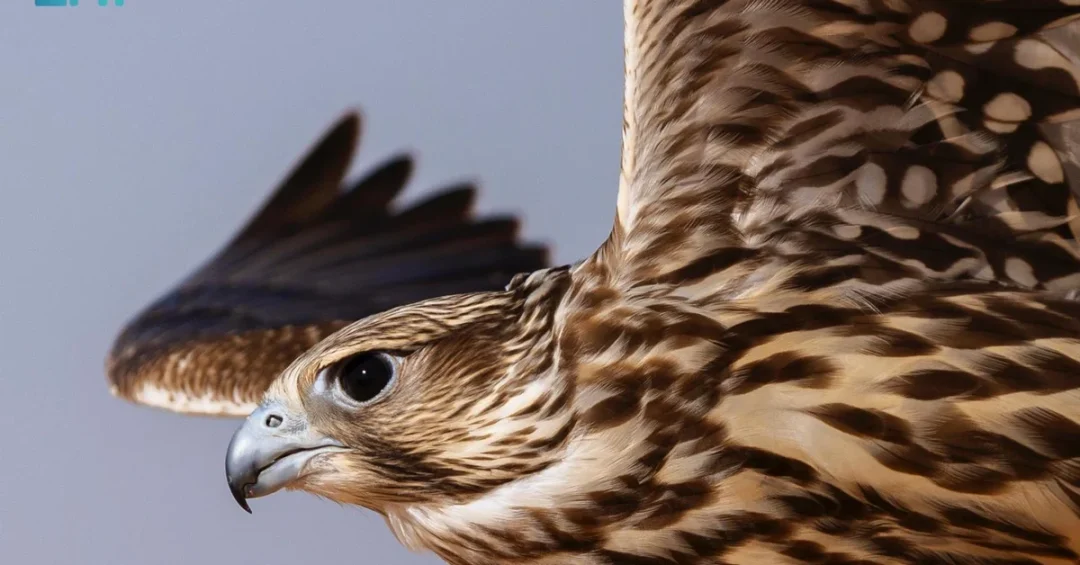
Women falconers from across the Kingdom gathered at the Saudi Falcons Club in Malham, north of Riyadh, on December 13, 2024, to compete in a dedicated women’s round at the King Abdulaziz Falconry Festival 2024, an event organized under the patronage of the Saudi Falcons Club that runs until December 19 with a prize pool exceeding SAR36 million. The women’s round marks a significant expansion of female participation in one of the region’s most storied traditional sports, reflecting a broader national effort to engage women in preserving Saudi Arabia’s rich cultural heritage in line with Vision 2030. The festival, which features 138 rounds of intense competition across Melwah racing and Mazayen (falcon beauty pageant) categories, has drawn thousands of participants and spectators to the Malham facility, cementing its status as the world’s largest gathering of its kind.
For international observers, the scene at Malham offers a vivid illustration of how Saudi Arabia is weaving its ancient traditions into a modern national identity. Falconry, known in Arabic as ‘Al-Qanas,’ has been practiced on the Arabian Peninsula for millennia as a means of hunting and a symbol of nobility, patience, and a deep bond between humans and nature. Today, under the stewardship of the Saudi Falcons Club, that heritage is being carefully preserved while being opened to new generations and new participants, including women who are training, owning, and racing their own birds. The dedicated women’s round is not simply a competition; it is a statement that cultural heritage belongs to all Saudis and that the Kingdom’s modernization touches every corner of society, from boardrooms to desert encampments.
Context and Background
How did falconry, a pursuit once associated almost exclusively with male hunters and tribal leaders, become a stage for women’s empowerment in Saudi Arabia? The answer lies in the Kingdom’s broader cultural and social transformation under Vision 2030, which has systematically expanded opportunities for women in sports, education, business, and public life. The Saudi Falcons Club, a government-supported institution dedicated to preserving falconry traditions, has played a leading role in this shift by allocating specific rounds for women at the King Abdulaziz Falconry Festival. This deliberate inclusion ensures that women are not merely spectators but active competitors and custodians of a heritage that predates modern borders.
The King Abdulaziz Falconry Festival itself is named after the founder of modern Saudi Arabia, King Abdulaziz Al Saud, who was himself an avid falconer. The event has grown year after year, attracting participants from across the Gulf region and beyond, and offering substantial prizes that underscore the seriousness with which the Kingdom treats this heritage sport. With more than SAR36 million in total prizes and 138 rounds of competition, the festival is a major economic and cultural undertaking. The women’s round adds a new dimension to this legacy, signaling that the festival’s future will be as inclusive as it is competitive.
Regional and international interest in the festival has grown in parallel with Saudi Arabia’s broader opening to the world. Falconry is recognized by UNESCO as an Intangible Cultural Heritage of Humanity, and Saudi Arabia has been a leading advocate for its preservation. By hosting a world-class festival that includes women’s competitions, the Kingdom positions itself as a global hub for heritage sports, capable of attracting tourists, researchers, and enthusiasts who wish to experience authentic Arabian traditions in a modern setting.
Key Details
What exactly happens during the women’s round, and how are the competitions structured? The King Abdulaziz Falconry Festival features two main categories: Melwah racing, in which falcons are timed as they fly to a lure or prey over a set distance, and Mazayen, a beauty pageant that judges falcons on physical characteristics such as plumage, size, and overall condition. The women’s round follows the same rigorous standards as the men’s competitions, with expert judges and precise timing equipment ensuring fairness. Participants bring their own falcons, often training them for months in advance, and the atmosphere at Malham is one of focused competition mixed with communal celebration.
The Saudi Falcons Club, based in Malham, provides facilities, veterinary care, and logistical support for all participants. The club’s mission extends beyond the festival itself: it runs educational programs, supports falcon breeding and research, and works to pass on traditional knowledge to younger Saudis. Women who compete in the festival often speak of the deep satisfaction of connecting with a heritage that their ancestors practiced, and of the sense of community they find among fellow falconers. The club’s allocation of a dedicated women’s round is part of a deliberate strategy to normalize female participation in heritage sports and to showcase their skills on a national stage.
The festival’s prize pool of over SAR36 million reflects the high stakes and the Kingdom’s commitment to rewarding excellence. Winners in various categories receive substantial cash prizes, and the prestige associated with a win can elevate a falconer’s status within the community. For women, success in the festival can open doors to further opportunities, including sponsorships, media attention, and invitations to international events. The event also serves as a platform for cultural exchange, with participants and visitors from neighboring countries learning about Saudi Arabia’s approach to preserving falconry while embracing modernity.
International and Regional Impact
How does the participation of women falconers in Saudi Arabia resonate beyond the Kingdom’s borders? In a region where women’s roles in public life have often been constrained, the sight of Saudi women competing in a traditional desert sport sends a powerful message. It aligns with a broader trend across the Gulf, where countries are increasingly investing in women’s sports and cultural participation as part of national development strategies. Saudi Arabia’s leadership in this area, demonstrated through events like the King Abdulaziz Falconry Festival, reinforces its position as a reform-minded actor that honors its heritage while embracing change.
Internationally, the festival contributes to Saudi Arabia’s soft power and tourism goals. Falconry enthusiasts from Europe, Central Asia, and North America follow the event closely, and the inclusion of women’s rounds adds a compelling narrative that attracts global media coverage. The Kingdom’s efforts to preserve falconry as a UNESCO-recognized heritage also position it as a responsible steward of cultural traditions, countering stereotypes and building bridges with other nations that share a love for the sport. Regional neighbors, many of which have their own falconry traditions, look to Saudi Arabia’s festival as a model for combining competition, conservation, and cultural education.
Economic and Strategic Significance
What economic and strategic value does the festival generate for Saudi Arabia? Beyond the prize money, the event stimulates local economies through hospitality, transportation, and retail spending, as participants and spectators travel to Malham and Riyadh. The Saudi Falcons Club’s facilities support a growing ecosystem of falcon breeders, veterinarians, trainers, and equipment suppliers, creating jobs and small businesses. The festival also aligns with Vision 2030’s goal of diversifying the economy by promoting tourism and cultural events that attract domestic and international visitors. Falconry-related tourism is a niche but high-value segment, appealing to affluent travelers interested in authentic experiences.
Strategically, the festival reinforces national identity and social cohesion. By celebrating a tradition that unites Saudis across regions and generations, it strengthens the bond between citizens and their heritage. The inclusion of women broadens that bond, ensuring that national pride is shared by all. The event also supports the Kingdom’s environmental and conservation goals, as the Saudi Falcons Club engages in efforts to protect falcon species and their habitats, in line with global biodiversity commitments. In this way, the festival is not just a competition but a multifaceted national project that advances cultural, economic, and environmental objectives simultaneously.
Vision 2030 Alignment
How does the women’s round at the King Abdulaziz Falconry Festival embody the aspirations of Vision 2030? Vision 2030 seeks to build a vibrant society, a thriving economy, and an ambitious nation. A vibrant society includes opportunities for all citizens to participate in cultural and recreational activities, and the festival’s women’s round directly supports that goal by empowering women and engaging them in preserving Saudi Arabia’s rich cultural heritage. It also reflects the Vision’s emphasis on quality of life, as events like this bring communities together and create memorable experiences for families and visitors alike.
In the long term, the participation of women falconers signals that Saudi Arabia’s modernization is inclusive and rooted in its own traditions. The Kingdom is not abandoning its past to embrace the future; it is carrying its heritage forward with new energy and broader participation. As the King Abdulaziz Falconry Festival continues to grow, it will serve as a global showcase for a Saudi Arabia that is confident, open, and committed to preserving its identity while offering opportunities to all its people. For international audiences, the message is clear: the Kingdom’s vision is not just about economic diversification, but about building a society where tradition and progress coexist, and where every citizen can contribute to the nation’s story.
20 Questions
Q1. What is the King Abdulaziz Falconry Festival?
A1. The King Abdulaziz Falconry Festival is an annual event organized by the Saudi Falcons Club in Malham, north of Riyadh. It celebrates traditional falconry with competitions in Melwah racing and Mazayen beauty pageants, offering over SAR36 million in prizes across 138 rounds.
Q2. When and where did the women’s round take place?
A2. The women’s round took place on December 13, 2024, at the Saudi Falcons Club in Malham, north of Riyadh, as part of the King Abdulaziz Falconry Festival 2024, which runs until December 19.
Q3. Why did the Saudi Falcons Club allocate a specific round for women?
A3. The club allocated a women’s round to empower women and engage them in preserving Saudi Arabia’s rich cultural heritage, in line with the Kingdom’s Vision 2030 goals for inclusivity and cultural preservation.
Q4. How many rounds are featured in the festival?
A4. The festival features 138 rounds of intense competition, covering both Melwah racing and Mazayen (falcon beauty pageant) categories, with participants from across the region.
Q5. What is the total prize pool for the festival?
A5. The total prize pool for the King Abdulaziz Falconry Festival 2024 exceeds SAR36 million, distributed among winners in various categories of Melwah racing and Mazayen competitions.
Q6. What is Melwah racing?
A6. Melwah racing is a falconry competition in which falcons are timed as they fly to a lure or prey over a set distance. It tests the speed, training, and responsiveness of the birds.
Q7. What is Mazayen?
A7. Mazayen is a falcon beauty pageant that judges falcons on physical characteristics such as plumage, size, and overall condition. It is a key part of the festival’s competitions.
Q8. Who organizes the King Abdulaziz Falconry Festival?
A8. The festival is organized by the Saudi Falcons Club, a dedicated institution that preserves falconry traditions and promotes the sport’s cultural significance in Saudi Arabia.
Q9. How does the festival support Vision 2030?
A9. The festival supports Vision 2030 by promoting cultural heritage, empowering women, boosting tourism, and contributing to economic diversification through a major international event that showcases Saudi traditions.
Q10. Are women allowed to own and train falcons in Saudi Arabia?
A10. Yes, women in Saudi Arabia are increasingly participating in falconry, including owning, training, and racing falcons. The women’s round at the festival demonstrates this growing involvement.
Q11. What is the significance of falconry in Saudi culture?
A11. Falconry, known as Al-Qanas, is a centuries-old tradition in Saudi Arabia symbolizing nobility, patience, and a deep bond between humans and nature. It is recognized by UNESCO as intangible cultural heritage.
Q12. How long has the King Abdulaziz Falconry Festival been running?
A12. The festival is an annual event that has grown over the years. The 2024 edition runs from December 13 to December 19, continuing a tradition of celebrating falconry in the Kingdom.
Q13. What support does the Saudi Falcons Club provide to participants?
A13. The Saudi Falcons Club provides facilities, veterinary care, logistical support, and educational programs. It also supports falcon breeding and research to preserve the tradition.
Q14. How does the festival attract international attention?
A14. The festival attracts international attention through its large prize pool, high-level competition, and inclusion of women’s rounds. It draws enthusiasts and media from around the world.
Q15. What economic benefits does the festival bring?
A15. The festival stimulates local economies through hospitality, transportation, and retail spending. It also supports jobs in falcon breeding, training, and equipment supply.
Q16. How does the women’s round reflect social change in Saudi Arabia?
A16. The women’s round reflects social change by giving women a visible role in a traditional sport, aligning with Vision 2030’s goals of empowering women and promoting inclusivity in all fields.
Q17. What is the role of the Saudi Falcons Club in preserving heritage?
A17. The Saudi Falcons Club preserves heritage by organizing the festival, supporting falconers, running educational programs, and promoting the cultural significance of falconry locally and internationally.
Q18. Can international participants join the festival?
A18. The festival primarily features Saudi and Gulf region participants, but it welcomes international visitors and enthusiasts. It serves as a platform for cultural exchange and global awareness.
Q19. What are the future plans for women’s participation in falconry?
A19. Future plans include expanding women’s rounds, providing more training opportunities, and encouraging greater female involvement in falconry as part of Saudi Arabia’s cultural and social development.
Q20. How does the festival promote Saudi Arabia’s global image?
A20. The festival promotes Saudi Arabia’s global image by showcasing its rich heritage, modernization, and inclusivity. It presents the Kingdom as a confident nation that honors tradition while embracing progress.
Reader Feedback
We value your thoughts. Please share your feedback on this article.
Your feedback helps us improve our coverage.
Related articles
 Jeddah Book Fair 2024 Opens with 1,000+ Publishers
 Interior Ministry Launches Commemorative Stamp for King Abdulaziz Camel Festival
 International Falconry Elite Compete at King Abdulaziz Falconry Festival
 Qatif Car Show Blends Art and FIFA World Cup 2034 Pride
 Saudi Arabia’s 2034 World Cup Win Inspires Jeddah Book Fair
 Riyadh Theater Festival 2024: 20 Shows, Vision 2030 Spotlight